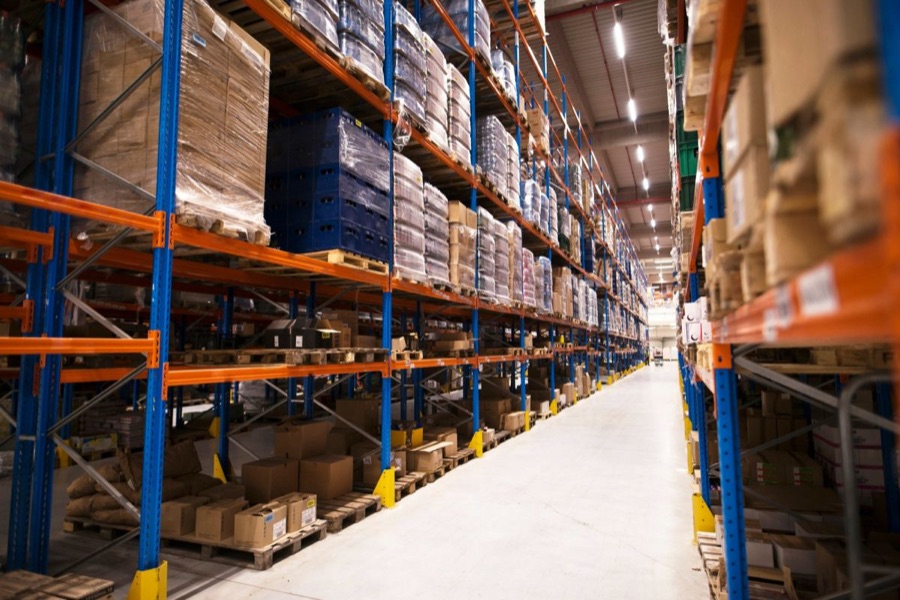
3PL warehousing for brands & logistics
Start with one pallet. Scale to a dedicated section.
Client-tagged pallets in, call-offs out against your release notes, and a footprint that scales as contracts land — storage, handling and dispatch under one monthly plan.
- Warehouses
- 34
- Locations live
- 25
- Collection centres
- 74
- States & UTs
- 19
01 · Owner on record
One shared floor,
each pallet has an owner.
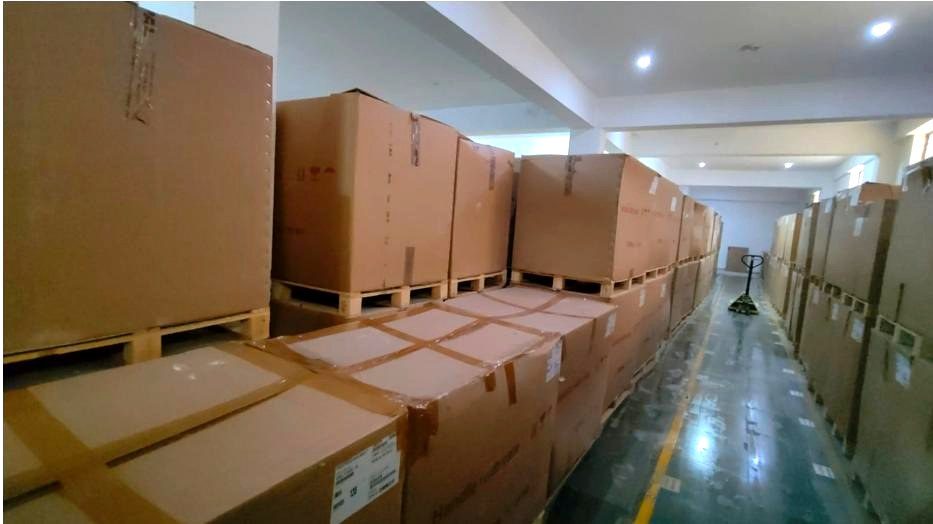
Other people's pallets mean the record is the proof: owner, reference, carton counts and condition logged at intake, and the bay it sits in before it enters a shared aisle.
What the warehouse knows about one client pallet
- Pallet No
- PLT-4416
- Client ref
- CLT-207
- Location
- BAY-C07
- Status
- Reserved
Sample record for one client pallet, shown to illustrate intake tracking — not a live Lozy figure.
Every pallet on a shared floor belongs to someone: client tags at put-away, counts at each call-off, and a joint check-in that starts you and the Lozy team from the same numbers.
02 · Pallet to call-off
From a transfer note
to a release note.
01 / 08
The 3PL walk-through — one client pallet's path from intake to gate-out, drawn as a sample.
-
01
Inbound
Client pallets arrive on the day's transfer note, booked to a gate slot before the truck queues.
-
02
Receive
Counts, carton condition and client tags checked at intake, shortages noted while the driver waits.
-
03
Store
Loads slotted into bays grouped by owner, so shared aisles never mix two clients.
-
04
Pick
Call-offs drawn from the right client's bays, carton counts confirmed line by line as orders build.
-
05
Pack
Orders needing regrouping are packed and weighed, then staged beside the dispatch lane.
-
06
Label
Route labels matched to release references, so each load leaves under the right contract.
-
07
Dispatch
Gate-out tallies recorded against the dispatch plan, client by client, at the end of every day.
-
08
Delivery
Onward trucks leave for the client's customers, and the last handover is confirmed before the file closes.
03 · Dealer lanes, depot runs
Every call-off,
from one count.
Dealer orders, distributor loads and marketplace drops all draw on the same counted pallets, so every client route runs from one register — not from memory.
- Dealer call-offs
- Distributor loads
- Depot replenishment
- Marketplace drops
- Network transfers
- 01 Call-off note
- 02 Lozy warehouse
- 03 Pick
- 04 Pack
- 05 Ship
04 · Pallet, bay, section
What sits
in labelled bays.
A 3PL warehouse holds whatever moves through your business, from client pallets and reserve stock to the packaging that keeps dispatches flowing every week. Whether goods arrive once a month or once a day, typical items placed in outsourced storage include:
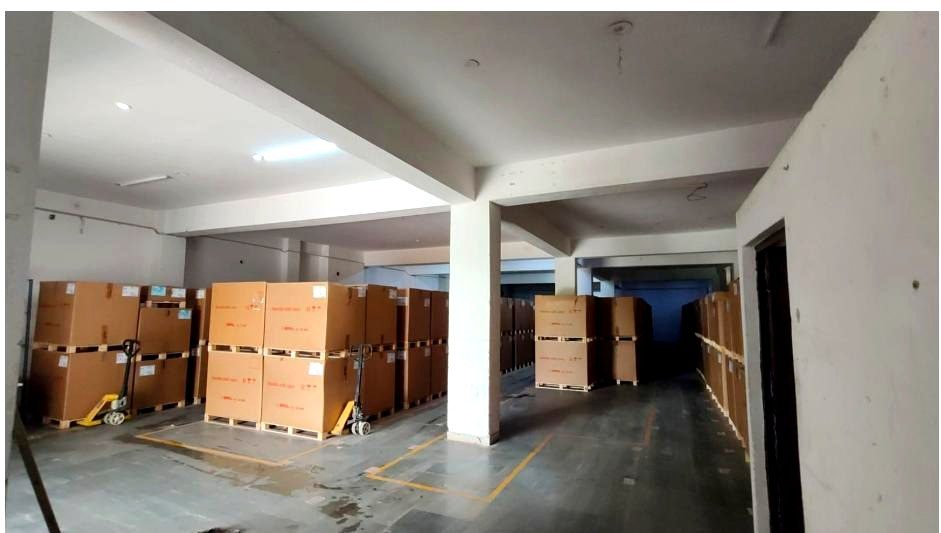
- 01Inbound pallets from your vendors
- 02Client and dealer stock
- 03Cartons and bulk cases
- 04Spare stock for replacement orders
- 05Returned and recalled goods
- 06Packaging material and pallets
- 07Promotional and display material
- 08Slow-moving and reserve lines
- 09Seasonal stock held between campaigns
- 10Loose equipment awaiting redeployment
Hazardous or perishable goods need prior approval before storage. Send your product list over, and the team will confirm what is possible at your preferred location.
Need space for 3PL & Distribution stock?
Tell us what you store and where it needs to reach — the team confirms availability, the plan and the rates in writing.
05 · Peaks, leases, counts
Every industry carries its own pressure — these are the ones the space, the handling and the paperwork are planned around.
-
01
Warehousing is not your business
Running a warehouse pulls founders, ops leads and finance into rents, staffing, security and maintenance. Every hour spent managing a godown is an hour not spent on sourcing, sales or client contracts.
-
02
Space tied to a rigid lease
Contracts land faster than lease cycles. A slow quarter under a fixed lease bleeds rent, while a strong quarter strains capacity, and renegotiating mid-term rarely works in the tenant's favour.
-
03
Stock records you cannot trust
When goods sit with a partner, the count is only as good as the register behind it. Weak check-in discipline and unlabelled storage turn every audit and insurance conversation into a dispute.
-
04
Peaks that arrive without warning
A dealer scheme, a tender win or a festive push can triple inbound pallets within weeks. Providers without spare space either turn goods away or stack them in aisles, and both erode the service your clients see.
-
05
Splitting one operation across regions
Brands that ship nationally end up juggling separate storage arrangements per region, each with its own paperwork, access rules and handling standards. The admin overhead grows with every new market, and accountability blurs between providers.
-
06
Handovers where counts drift
Moving stock in from your own godown or an incumbent operator is where counts drift and consignments get lost. Without a disciplined handover, covering joint counts and condition notes, disputes begin on day one.
06 · One operator, one invoice
What Lozy takes
off your plate.
5 operations, one contract. Pick one to see what it covers.
07 · Getting started
From enquiry
to moving in.
Onboarding starts with a requirement call: what you store, how often goods arrive and leave, and where your customers are. The team sizes space around those answers, agrees a stock handover process, and books the first inbound.
-
01
Enquire
Share your product type, volumes and the city you need. The team confirms availability and shares rates in writing.
-
02
Site visit and requirement planning
Visit the shortlisted facility or plan remotely — space, access and handling are matched to your operation.
-
03
Onboarding
Documentation, check-in records and access setup are completed before your stock arrives, so day one runs clean.
-
04
Storage, fulfilment and dispatch
Stock is stored, managed and dispatched per your instructions, with monthly GST-invoiced billing.
08 · Why clients expand
-
01
77+ Warehouses across our network keep outsourced stock close to the markets your dispatches actually serve, without regional outposts of your own.
-
02
One operator for storage, handling and dispatch means fewer handovers, fewer blind spots and one monthly invoice to reconcile.
-
03
Monthly plans with GST invoices and no long lock-in let space follow your contracts instead of the calendar year.
-
04
Documented check-in, labelled locations and movement records keep stock counts believable at audit or when you move the operation back in-house.
09 · Coverage
Store here.
Deliver everywhere.
Warehousing sits where the orders are. Lozy runs 74 collection centres across 19 states and union territories — store in the right city and the last mile gets shorter.
Boundary as India officially depicts it
- 01 Warehouse
- 02 Fulfilment
- 03 Distribution
- 04 Customer
Every lane on the map is a real movement: stock received at a Lozy warehouse or collection centre, picked and packed there, then distributed to the customer — or moved between sites to be closer to demand.
Guwahati · Jorhat · Bengaluru · Patna · Coimbatore · Madurai · Puzhal & Ambattur · Red Hills (Chennai) · Sholavaram · Ahmedabad · Ankleshwar · Vapi · Ambala · Dharuhera · Faridabad · Garhi Harsaru · Jamalpur · Sonipat · Hyderabad · Jammu · Srinagar · Ranchi · Cochin · Indore · Aurangabad · Bhiwandi · Nagpur · Nashik · Pune · Alipur · Bamnoli · Dhulsiras · Bhubaneswar · Cuttack · Chandigarh · Ludhiana · Zirakpur · Jaipur · Ballia · Ghaziabad · Lucknow · Noida · Haridwar · Roorkee · Rudrapur · Kolkata · Siliguri
10 · Points to verify
Before you
start storing.
The questions 3PL & Distribution teams ask before taking warehouse space — answered in plain words.
What does 3PL warehousing with Lozy involve?
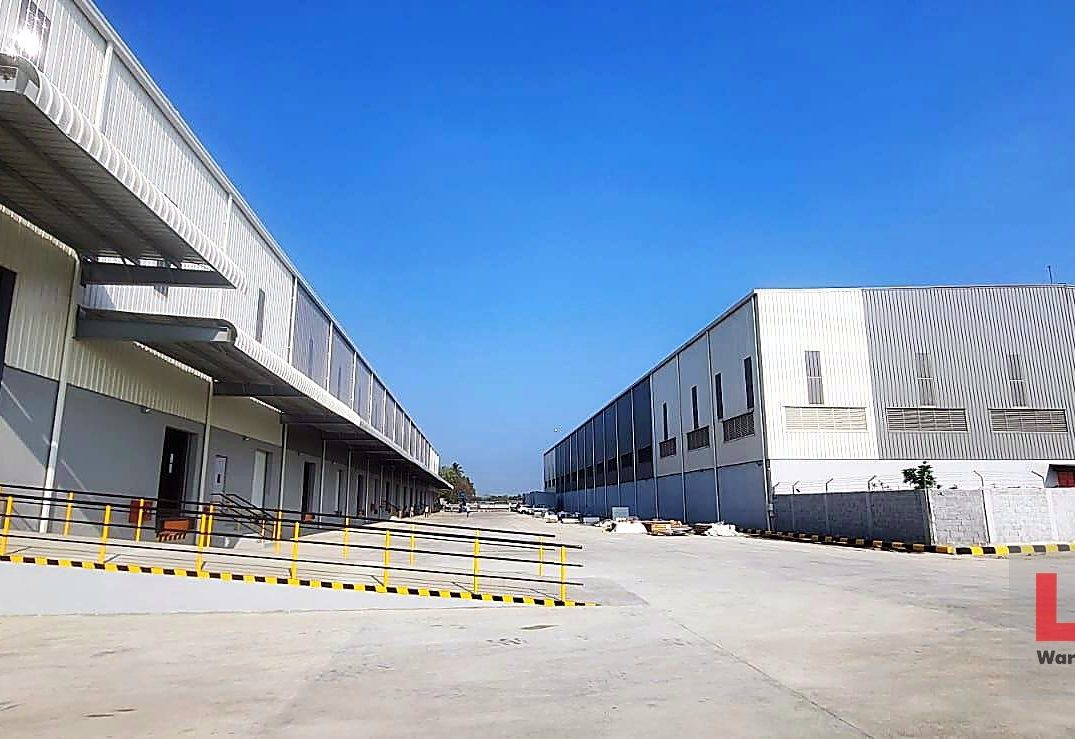
3PL warehousing services with Lozy mean outsourced storage and distribution: Lozy provides and runs the space, not just rents four walls. Brands and logistics companies take a pallet, a bay or a dedicated section, with documented stock records and dispatch support across Delhi NCR and our India network.
What are 3PL warehousing services?
3PL warehousing services are outsourced storage and distribution run by a third-party logistics provider. Instead of leasing and staffing a warehouse, a business hands over space, handling and stock records to the provider, while keeping ownership of the goods and control of when they move.
Key points
- Space that scales from a single pallet to a dedicated section
- Storage outsourcing with handling, stock records and dispatch under one operator
- Onboarding that counts and documents your stock before the first dispatch
- Monthly billing with GST invoices and no long lock-in, managed by one operator
- Space and support sized to routine and peak dispatch volumes
What storage outsourcing actually changes
Running a warehouse is a fixed-cost exercise: rent, security, staffing, upkeep and management attention all land whether the racks are full or half empty. Outsourcing through Lozy moves that weight to a monthly plan tied to the space you actually take. You keep ownership of the goods and control of stock policy, while the facility, handling and records work sits with Lozy's team. For most brands and logistics companies the change shows up as faster scaling: space follows the orders, not the other way round.
Shared bay or dedicated section: matching the model to your flow
Shared storage suits reserve stock, slow-moving lines and overflow that mainly needs a safe, recorded home. A dedicated section earns its place when throughput is high, when your own staff work inside the facility, or when labelling, access lists and counting discipline must match your process exactly. There is no need to decide once: many engagements begin with a few pallet positions in a shared bay and graduate to a dedicated area as contracts build. The monthly model holds through the shift, and so do the records.
How 3PL warehousing arrangements are priced
Rates are built from the space you occupy, the location, the term and how much handling your goods need at receiving and dispatch. A dense, slow-moving consignment costs less to run than fast-flowing stock that consumes aisles, staging space and staff time every day. Space is drawn from owned, leased and partner facilities, and billing stays monthly, so a quiet quarter releases space instead of eating margin. Written quotes follow a short requirement check, which keeps comparisons across providers like for like.
How to choose a warehouse for 3PL & Distribution
Choosing a warehousing partner is closer to hiring an operations team than renting square footage. These checks help you separate a provider that will carry your service levels from one that simply holds your goods.
Space range from pallet to section
Confirm the provider can serve you at several scales: shared pallet positions today, a bay next quarter, a dedicated section when a new client lands. Flexibility at each step beats a single fixed offer.
Stock records from day one
Ask what a check-in record contains and who signs it: counts, condition, labels, photographs. The quality of that first record predicts how smoothly every later count and audit will go.
Dispatch cadence and cut-off times
Your service promise depends on cut-off times, staging space and how quickly release requests are processed on a normal day. Ask for the daily rhythm in writing, not a brochure promise.
Contract terms without traps
Read the notice period, deposit treatment and handling rates together. A slightly higher headline rate with clean monthly terms can be cheaper than a low rate with penalties for shrinking space.
Access for your team
You will visit, count and audit. Confirm visit timings, who receives your goods, and how withdrawal requests are routed, so planned visits and withdrawals do not disturb daily dispatch work.
Elastic capacity for peaks
Test the provider's answers for your busiest month: where does overflow stock sit, how fast can space be added, and what does it cost. Seasonal elasticity should be written down, not promised verbally.
Handover and exit in writing
Whether stock moves in from another warehouse or leaves at the end of a term, agreed count procedures and notice timelines prevent disputes. Transparent exit terms are the clearest sign of a professionally run facility.
Frequently asked questions
What is included in 3PL warehousing services with Lozy?
Can Lozy run a dedicated section for our brand?
How does the handover work when stock moves from our current godown?
Who keeps the stock records in an outsourced warehouse?
Can you support dealer and distributor dispatches?
How much do 3PL warehousing services cost?
Do you work with logistics companies, or only with brands?
How small can an outsourcing engagement start?
Can our own staff work inside your warehouse?
How quickly can an outsourced setup start with Lozy?
Explore the services
06 links
From the blog
03 reads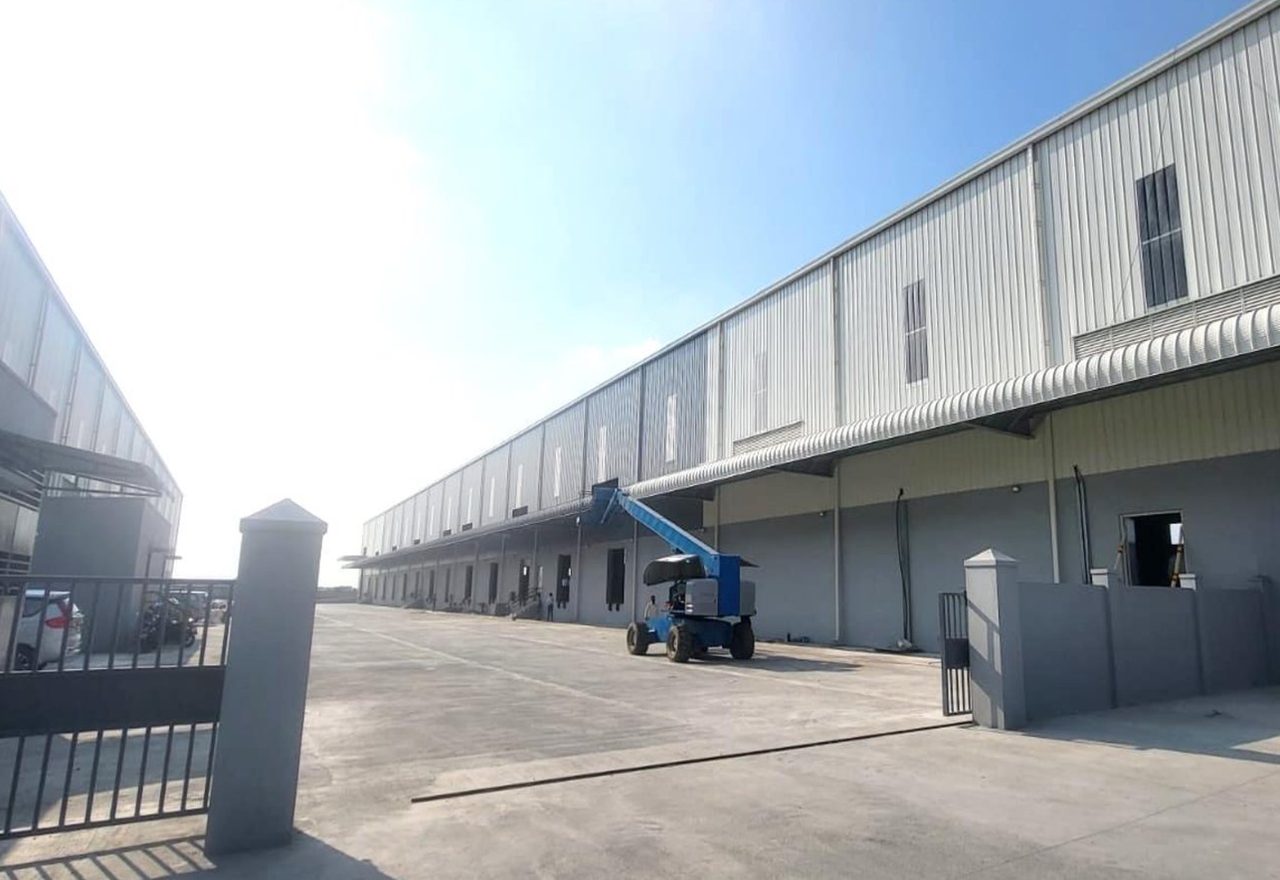
Keep exploring
Industries that
move like yours.
Every industry page runs the same eight-stop walk — these pages tell it again with their own cargo, their own records and their own rules.
 01
01
 02
02
 03
03
11 · Move your first pallet
The contract is signed.
The stock needs a home.
Send your stock list, client volumes and dispatch windows.
Speak to a human · +91 9354712345
12 · Enquiry
Tell us what
you need to store.
Availability, plan and rates — one short form, a written reply.
- Tell us the industry, product and city — one short form or call.
- Get availability and rates in writing, itemised.
- Move in with documentation, access and records done before stock arrives.
Contact our experts
One form, one reply — 3PL & Distribution availability and rates.