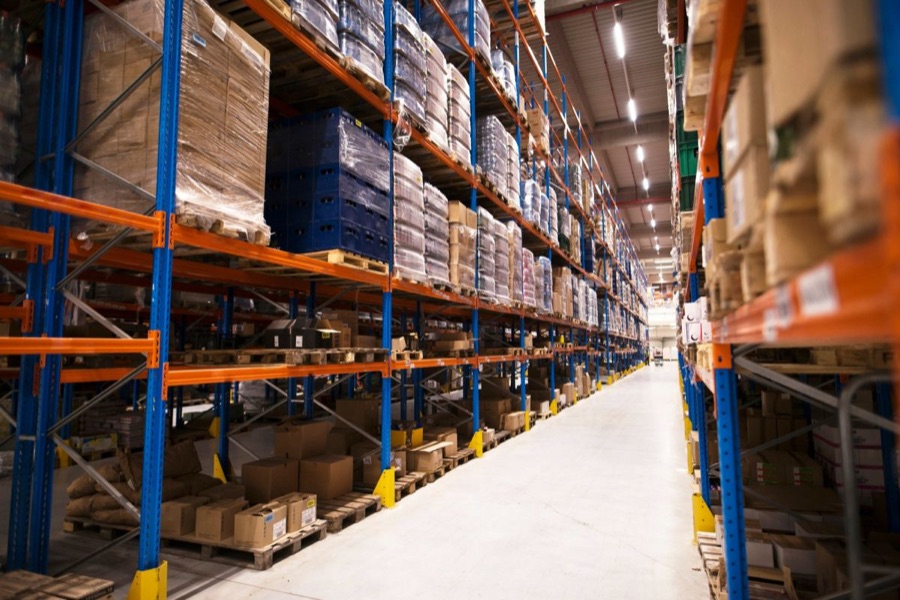
Solar & renewable energy warehousing
Solar modules land early. The site decides when they leave.
Modules and inverters arrive months before the site is ready — Lozy racks them in crates, keeps serials matched to projects, and dispatches in phases as installation blocks open.
- Warehouses
- 34
- Locations live
- 25
- Collection centres
- 74
- States & UTs
- 19
01 · Serial by crate
Counted at the door,
tagged to a project.
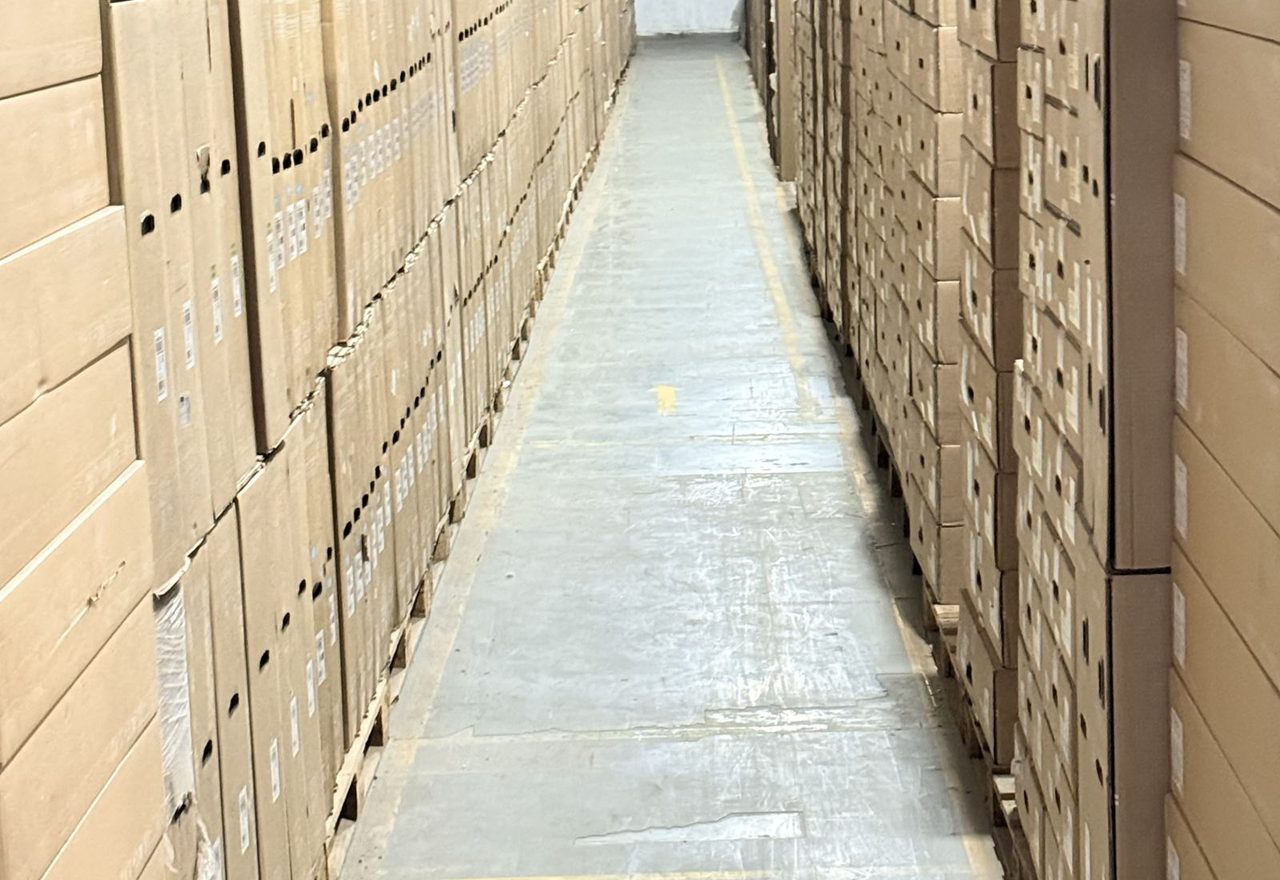
Every crate is opened to a count and its serial range written against a project tag, so a lot can be traced to its site months later without opening the whole stack.
One crate's entry in the serial book
- Serial
- SM-2609-4471
- Project tag
- SITE-RJ-07
- Location
- RACK-A11
- Status
- In reserve
Sample record only, showing how solar serials are logged — not a live Lozy figure.
Crate counts and glass checks happen while the consignment is still on the dock — a cracked corner or a stack one layer over the limit often surfaces only at installation, when site labour waits and replacement lots are slow.
02 · Dock to installation
From the unloading bay,
to installation blocks.
01 / 08
The solar walk-through — a crated module's path to a site, drawn as a sample.
-
01
Inbound
Crated module pallets, inverter cartons, cable coils and rail bundles land through the week, each tied to a project.
-
02
Receive
Counts matched to the delivery papers, crate corners checked and glass inspected before unloading signs off.
-
03
Store
Stacking kept inside the maker's limit, crates up on dunnage; rail bundles rest on long cradles, clear of turning forklifts.
-
04
Pick
One installation block at a time, drawn down from reserve so the next block's kit stays whole.
-
05
Pack
Loose hardware bagged into the crate, lids resealed, each pallet corner-protected before it meets the ramp.
-
06
Label
Block references stencilled on the crate faces, so no pallet lands at the wrong site.
-
07
Dispatch
Trucks loaded in block sequence, each vehicle carrying only what the installers can fix this week.
-
08
Delivery
Loads arrive timed to the crew's progress, block by block, keeping the site pad clear.
03 · Every project draws
EPC teams, dealers,
one counted list.
Distributor pick-ups, EPC block draws and owner top-ups read from the same recorded shelves, so what one site reserves is gone from the list the next one sees.
- Utility-scale EPCs
- Rooftop installers
- Asset owners
- Module distributors
- Plant O&M teams
- 01 Block call-off
- 02 Lozy warehouse
- 03 Pick
- 04 Pack
- 05 Ship
04 · Panels, inverters, rails
What waits here
until the site is ready.
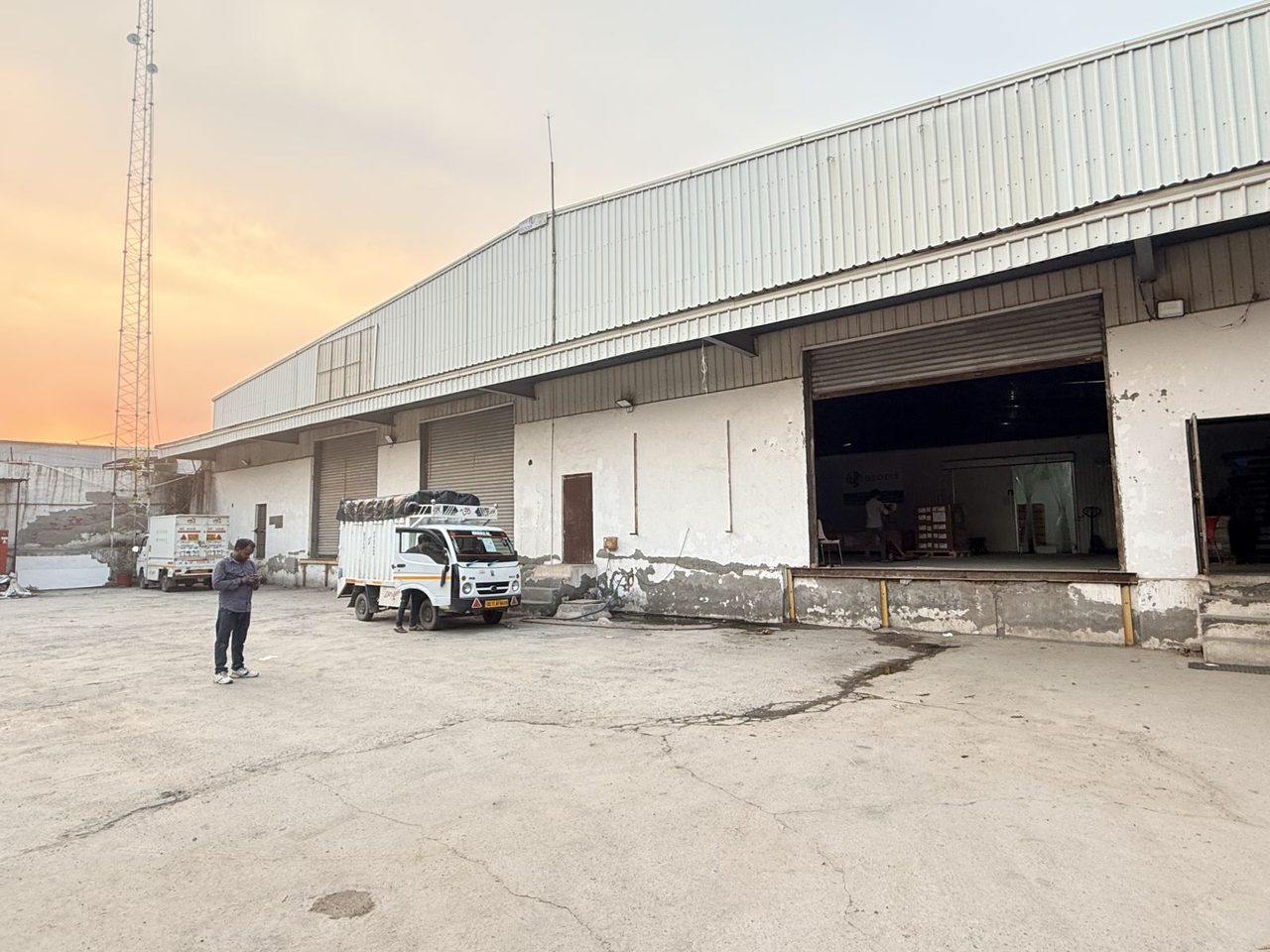
Solar storage usually holds a project's full bill of materials, not just panels. Modules, electronics, cables and structural items all need a safe place to wait, and one organised location keeps each lot matched to the project and site it belongs to:
- 01Solar modules and panels in crates
- 02Inverters and combiner boxes
- 03DC and AC cables on drums
- 04Mounting structures and rails
- 05Aluminium profiles and clamps
- 06Junction boxes and connectors
- 07Monitoring units and meters
- 08Batteries for hybrid systems
- 09Spare modules for replacements
- 10Site kits and installation hardware
Hazardous items, including some battery types, need prior approval before storage. Share the project bill of materials and the team will confirm what suits the facility.
Need space for Solar & Renewable Energy stock?
Tell us what you store and where it needs to reach — the team confirms availability, the plan and the rates in writing.
05 · What cracks first
Every industry carries its own pressure — these are the ones the space, the handling and the paperwork are planned around.
-
01
Fragile glass-faced modules
A module can look fine and still carry micro-cracks from over-stacking or a dropped crate. Damage often surfaces only at installation, when replacement stock and rework are far more expensive than careful storage would have been.
-
02
Sites are not ready
Modules are usually ordered early to lock allocation, well before mounting structures are up. Consignments then wait for weeks or months, and an EPC team needs somewhere safe for stock that cannot go to site yet.
-
03
Phased dispatch pressure
Solar deliveries rarely move in one truck. Teams need to pull part quantities per site, per block or per installation crew, which means stock must stay findable and staged rather than buried at the back of a floor.
-
04
Long, awkward loads
Mounting rails, purlins and profiles are several metres long and bend easily. Storing them requires straight runs, proper dunnage and aisles that let a forklift turn without clipping stacked crates or finished panel packs.
-
05
Mixed import consignments
Modules, inverters and balance-of-system items often arrive in separate lots from different suppliers. Without a documented place for each lot, matching items to the right project becomes a scramble when installation starts.
-
06
Cash tied in slow stock
Solar stock is expensive, and holding it through a delayed project blocks working capital. Storage that bills by the month keeps that pause affordable instead of locking the business into a long, fixed lease.
06 · How Lozy holds
Handling for glass
and long rail loads.
5 operations, one contract. Pick one to see what it covers.
07 · Getting started
From enquiry
to moving in.
Solar onboarding starts with a project schedule rather than a product list. The team maps module quantities, crate sizes, inverter lots and dispatch windows, then holds space through the months when site works and deliveries are still moving.
-
01
Enquire
Share your product type, volumes and the city you need. The team confirms availability and shares rates in writing.
-
02
Site visit and requirement planning
Visit the shortlisted facility or plan remotely — space, access and handling are matched to your operation.
-
03
Onboarding
Documentation, check-in records and access setup are completed before your stock arrives, so day one runs clean.
-
04
Storage, fulfilment and dispatch
Stock is stored, managed and dispatched per your instructions, with monthly GST-invoiced billing.
08 · Why teams rebook
-
01
Monthly billing, GST invoice, no lock-in keeps project-linked storage affordable through delays instead of locking capital into an empty warehouse.
-
02
Space through 77+ Warehouses across our network lets you hold consignments closer to where projects are actually running.
-
03
One team for receiving, storing and staging means your project coordinator gets straight answers about what is on the floor and what can ship.
-
04
Documented check-in and lot records keep stock counts aligned with your bill of materials, even months after the crates first came in.
09 · Coverage
Store here.
Deliver everywhere.
Warehousing sits where the orders are. Lozy runs 74 collection centres across 19 states and union territories — store in the right city and the last mile gets shorter.
Boundary as India officially depicts it
- 01 Warehouse
- 02 Fulfilment
- 03 Distribution
- 04 Customer
Every lane on the map is a real movement: stock received at a Lozy warehouse or collection centre, picked and packed there, then distributed to the customer — or moved between sites to be closer to demand.
Guwahati · Jorhat · Bengaluru · Patna · Coimbatore · Madurai · Puzhal & Ambattur · Red Hills (Chennai) · Sholavaram · Ahmedabad · Ankleshwar · Vapi · Ambala · Dharuhera · Faridabad · Garhi Harsaru · Jamalpur · Sonipat · Hyderabad · Jammu · Srinagar · Ranchi · Cochin · Indore · Aurangabad · Bhiwandi · Nagpur · Nashik · Pune · Alipur · Bamnoli · Dhulsiras · Bhubaneswar · Cuttack · Chandigarh · Ludhiana · Zirakpur · Jaipur · Ballia · Ghaziabad · Lucknow · Noida · Haridwar · Roorkee · Rudrapur · Kolkata · Siliguri
10 · Before you book
Before you
start storing.
The questions Solar & Renewable Energy teams ask before taking warehouse space — answered in plain words.
What does solar and renewable energy warehousing with Lozy involve?
Solar equipment warehousing with Lozy gives EPC contractors, distributors and project owners a protected place to hold modules, inverters, cables and mounting structures between dispatch and site delivery. Facilities in Delhi NCR and across our India network store sensitive stock carefully and dispatch it in phases as installation schedules firm up, billed month to month.
What is solar equipment warehousing?
Solar equipment warehousing is the storage of solar modules, inverters, cables and mounting structures in a managed facility while they wait between import, manufacture and site installation. It keeps fragile glass-faced panels protected, accounted for and ready for staged dispatch as project timelines move.
Key points
- Crates and racking that keep glass-faced modules stacked, strapped and off the floor
- Space held through long project timelines, with dispatch staged to match site readiness
- Handling protocols for inverters, cables and mounting structures, not just panels
- Import consignments landed in storage with support from Lozy's customs desk
- Monthly billing with GST invoices, so project-linked storage does not lock capital
Why solar equipment warehousing fits project timelines
Solar projects rarely move at one speed. Modules are ordered early, often imported in large lots, while mounting structures, inverters and grid approvals follow their own timelines. The site, meanwhile, is ready when it is ready. A warehouse absorbs that gap: consignments are received and recorded, stored safely, and released in the quantities each installation phase can actually use. For EPC teams this is not only about space. It is the difference between stock that is accounted for and dispatchable on call, and stock scattered across transporter yards where nobody can confirm what is there.
Handling solar modules so glass faces reach site undamaged
Module damage is quiet. A crate dropped twenty centimetres, a pallet stacked one layer over the marked limit, or a forklift fork clipped through a corner can leave micro-cracks that pass a visual check and fail months later at installation. Storage discipline matters more than anything else: keep modules in original crates, respect stacking limits, use dunnage to keep crates off the floor, protect corners during movement, and log condition at check-in. Teams that follow these basics open fewer replacement arguments with their module suppliers and keep installation crews working with material they can trust.
Planning inbound consignments for a solar project
Solar bills of materials arrive in waves: modules from one supplier, inverters from another, cables and mounting hardware often a third. Each lot needs a landing plan. Project-linked storage gives every consignment a recorded location and a project tag, so when an installation block starts, the team can pull what that block needs without opening every crate in the building. Where imports are involved, Lozy's customs desk supports clearance and import-export work, and storage becomes the holding point between port and site rather than another stop in the chain.
How to choose a warehouse for Solar & Renewable Energy
The right warehouse for solar stock protects fragile equipment and keeps a project's bill of materials usable. These checks matter most when modules arrive months before their site does.
Crate handling and stacking
Modules travel safest in original crates, stacked within the maker's marked limit and kept off concrete on dunnage. Check-in should record crate counts and visible condition, because glass and frames can suffer damage that only shows at installation.
Straight runs for long loads
Mounting rails and profiles need straight storage lanes away from traffic, ideally on long racks or floor cradles. Bending and wet ground contact are what turn structural stock into a site rejection.
Space for phased dispatch
If deliveries go out in part loads, keep an active zone near the dispatch bay for what ships this week and reserve racks for the rest. Mixing the two slows every truck load.
Distance to project sites
A location in Delhi NCR suits projects across the north, while our wider network helps when sites run in other states. Map your actual dispatch routes before choosing a facility.
Security for high-value lots
Inverters, cables and monitoring equipment attract attention, and replacement lots are slow to arrange. Prefer facilities with controlled entry, CCTV coverage and a record of who moved what, when and to which project.
Documentation that matches BOMs
Lot tags, check-in photos and monthly invoices make it easier to reconcile a project's bill of materials against what was delivered, stored and dispatched, especially when different teams handle different sites.
A term that fits the timeline
Project-linked storage should not outlive the project by six months of rent. Ask how notice periods, deposits and monthly billing work before committing to any arrangement longer than the schedule needs.
Frequently asked questions
Can Lozy store solar panels for months until a site is ready?
How should solar panels be stored to avoid damage?
Can one Lozy warehouse hold panels, inverters and mounting structures together?
Does Lozy support import consignments for solar projects?
What does solar storage cost with Lozy?
Can we take deliveries in phases as installation progresses?
Do long mounting structures need special storage?
Is there a minimum storage period for solar equipment?
How is stored solar equipment protected at Lozy facilities?
Can our own team visit and pull stock from the warehouse?
Explore the services
06 links
From the blog
03 reads
Keep exploring
Industries that
move like yours.
Every industry page runs the same eight-stop walk — these pages tell it again with their own cargo, their own records and their own rules.
 01
01
 02
02
 03
03
11 · Send the site list
Site works run late.
Your dispatch plan doesn't.
Share your installation sequence and dispatch windows.
Speak to a human · +91 9354712345
12 · Enquiry
Tell us what
you need to store.
Availability, plan and rates — one short form, a written reply.
- Tell us the industry, product and city — one short form or call.
- Get availability and rates in writing, itemised.
- Move in with documentation, access and records done before stock arrives.
Contact our experts
One form, one reply — Solar & Renewable Energy availability and rates.