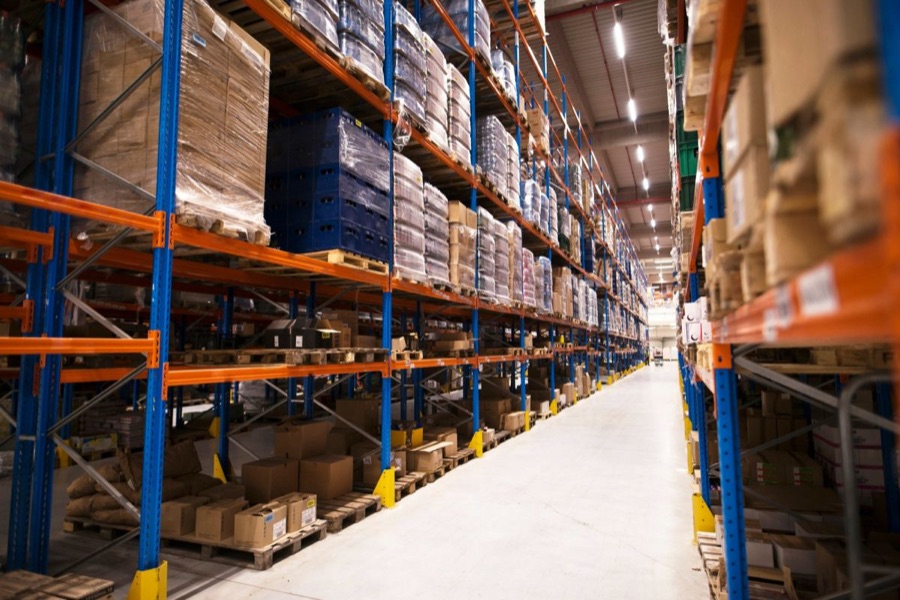
E-commerce and retail warehousing
Carts fill after midnight. Parcels leave before dawn.
Marketplace sellers, D2C brands and retail counters keep cartoned stock on Lozy racks — picked unit by unit, packed to your standard, and scanned out to courier lanes.
- Warehouses
- 34
- Locations live
- 25
- Collection centres
- 74
- States & UTs
- 19
01 · Counted at intake
A shelf and a count
behind every carton.
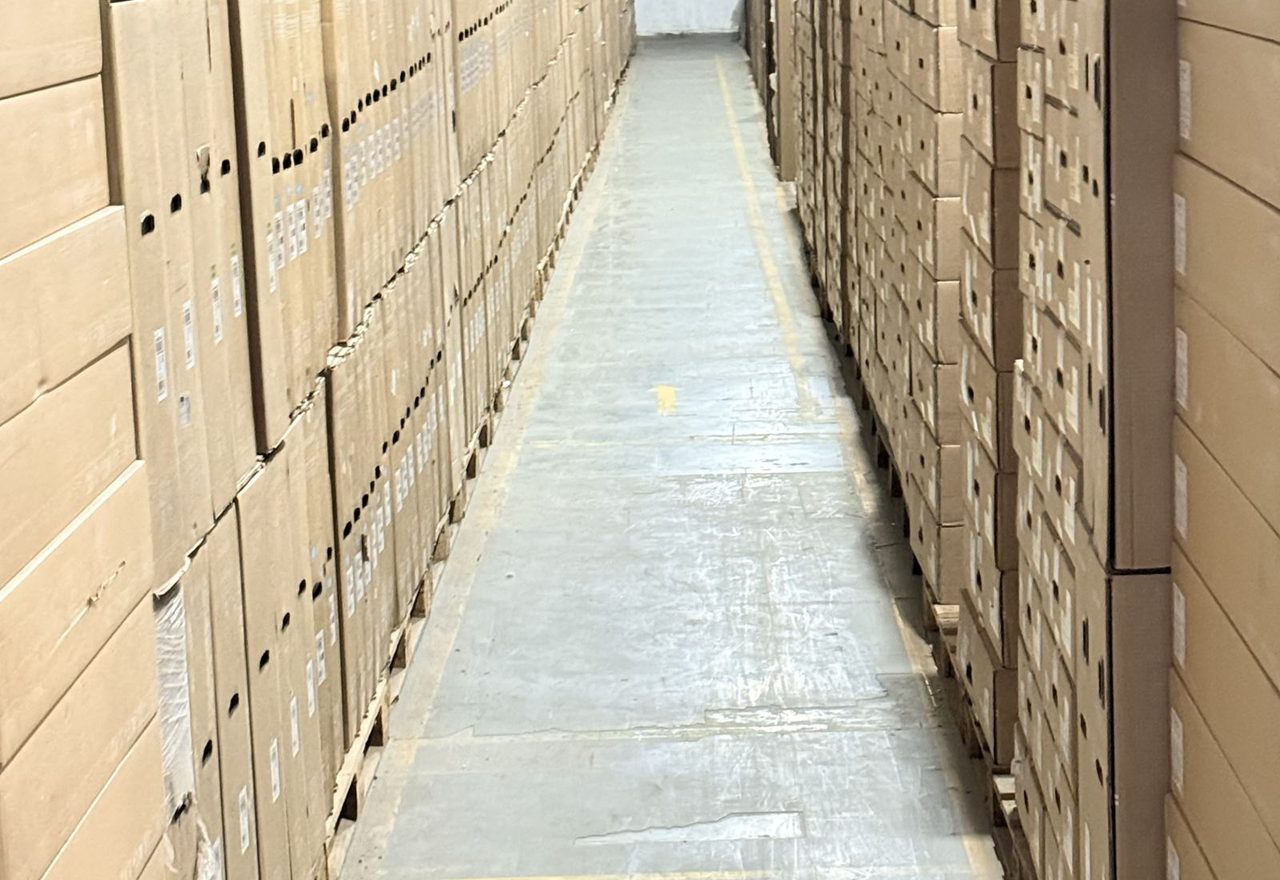
Every carton is opened at check-in, matched line by line to the listing, and given a shelf address — so marketplace panels, the D2C site and your shop floor read one count.
What the shelf record says about one SKU
- SKU
- HK-3140
- Location
- AISLE-C14
- Stock
- 612 units
- Status
- Pick-ready
Sample record for one SKU, shown to illustrate how stock is tracked — not a live Lozy figure.
A campaign weekend can triple order volume, while a quiet fortnight barely fills one shelf. Stock is counted at check-in and picked against one list, so the tally survives the spike — and returns land in a labelled sorting lane, not a pile.
02 · Dock to doorstep
From scan-in,
to courier sweep.
01 / 08
The e-commerce walk-through — a marketplace carton's path, drawn as a sample.
-
01
Inbound
Supplier pallets and seller cartons arrive against the day's inbound sheet, unloaded at the intake bay.
-
02
Receive
Cartons are opened line by line and matched to the listing before any count is entered.
-
03
Store
Put-away follows the pick plan: fast sellers shelved at waist height, heavy lines to lower racks.
-
04
Pick
Pickers walk the list aisle by aisle, pulling single units or sealed master cartons.
-
05
Pack
Units are cushioned and boxed to your packing standard, with invoices slipped inside before taping.
-
06
Label
Shipping labels are matched to each parcel and scanned against the order before the box leaves the bench.
-
07
Dispatch
Parcels are sorted into courier lanes and handed over against the route manifest.
-
08
Delivery
Orders reach city doorsteps and shop counters; delivery confirmations are logged and returns are booked back at the dock.
03 · Queues and counters
Five selling fronts,
one honest count.
Marketplace queues, D2C carts, quick-commerce runs and shop counters all pull from the same racks, so no channel ships a unit another has promised.
- Marketplace sellers
- D2C storefronts
- Quick-commerce apps
- Shop counters
- Wholesale trade
- 01 Cart checkout
- 02 Lozy warehouse
- 03 Pick
- 04 Pack
- 05 Ship
04 · Cartons and returns
Cartons, returns,
and campaign overflow.
Sellers and retail businesses typically store a mix of sellable stock, slow-moving lines and the material that keeps orders moving. A single storage plan can cover all of it in one place:
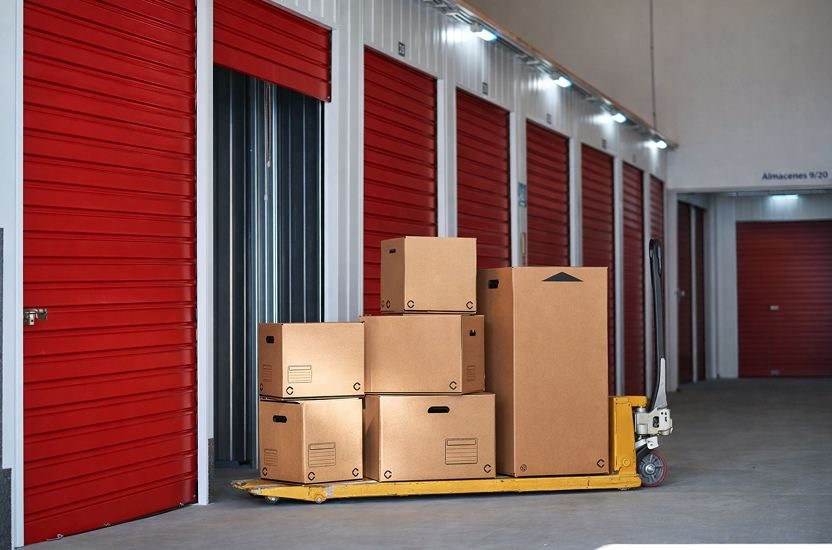
- 01Cartons and poly-bagged parcels
- 02Marketplace-ready inventory
- 03Apparel, footwear and accessories
- 04Home and kitchen products
- 05Small appliances and electronics
- 06Packaging material and cartons
- 07Returns awaiting sorting
- 08Seasonal and festive stock
- 09Shop display and fixture pieces
- 10Office and event material
Some categories, including hazardous or perishable goods, need prior approval before storage. Share your product list and the team will confirm what applies to your consignment.
Need space for E-Commerce & Retail stock?
Tell us what you store and where it needs to reach — the team confirms availability, the plan and the rates in writing.
05 · Peak-week squeeze
Every industry carries its own pressure — these are the ones the space, the handling and the paperwork are planned around.
-
01
Sale-season spikes
Festive sales and marketplace campaigns can multiply your stock overnight, and a back room or small godown cannot absorb the surge. Renting bigger premises for six weeks of the year rarely makes financial sense for growing sellers.
-
02
Inventory accuracy across channels
Selling on your own site, marketplaces and retail counters splits stock across systems. Without one documented storage location, overselling and missing cartons become everyday problems, especially through peak dispatch weeks.
-
03
Returns and reverse logistics
Every seller accumulates undeliverable parcels, return stock and packaging material. These need a sorting area and a clean process, not a corner of the office where returns pile up unlabelled until someone finds the time.
-
04
Space cost in the city
Warehouse and godown rents in prime city areas keep climbing, and sellers pay for twelve months of space to serve eight months of demand. Fixed premises lock working capital into rent instead of inventory.
-
05
Handling standards
Customer-facing brands cannot afford crushed boxes and torn labels. Storage without proper racking, packing benches and careful handlers shows up in returns, reviews and replacement costs long after the sale is made.
-
06
Documentation for growth
Marketplace accounts, GST records and future funding conversations all reward clean documentation. Stock held without check-in records or a photo inventory is hard to value, count or explain when it matters most.
06 · Lozy on the floor
What runs from
check-in to courier.
5 operations, one contract. Pick one to see what it covers.
07 · Getting started
From enquiry
to moving in.
Most e-commerce operations go from enquiry to first dispatch within a week. The team sizes your space around SKU count, order volume and dispatch deadlines before anything moves in.
-
01
Enquire
Share your product type, volumes and the city you need. The team confirms availability and shares rates in writing.
-
02
Site visit and requirement planning
Visit the shortlisted facility or plan remotely — space, access and handling are matched to your operation.
-
03
Onboarding
Documentation, check-in records and access setup are completed before your stock arrives, so day one runs clean.
-
04
Storage, fulfilment and dispatch
Stock is stored, managed and dispatched per your instructions, with monthly GST-invoiced billing.
08 · Why sellers renew
-
01
Monthly billing with GST invoices and no long lock-in, so cash flow stays predictable through seasonal swings.
-
02
77+ Warehouses across our network, from Delhi NCR to PAN-India coverage, keep stock close to major delivery zones.
-
03
One team for storage, handling and dispatch means fewer handoffs and fewer places for an order to stall.
-
04
Documented check-in and organised rack locations keep your stock counts believable and your records audit-ready from day one.
09 · Coverage
Store here.
Deliver everywhere.
Warehousing sits where the orders are. Lozy runs 74 collection centres across 19 states and union territories — store in the right city and the last mile gets shorter.
Boundary as India officially depicts it
- 01 Warehouse
- 02 Fulfilment
- 03 Distribution
- 04 Customer
Every lane on the map is a real movement: stock received at a Lozy warehouse or collection centre, picked and packed there, then distributed to the customer — or moved between sites to be closer to demand.
Guwahati · Jorhat · Bengaluru · Patna · Coimbatore · Madurai · Puzhal & Ambattur · Red Hills (Chennai) · Sholavaram · Ahmedabad · Ankleshwar · Vapi · Ambala · Dharuhera · Faridabad · Garhi Harsaru · Jamalpur · Sonipat · Hyderabad · Jammu · Srinagar · Ranchi · Cochin · Indore · Aurangabad · Bhiwandi · Nagpur · Nashik · Pune · Alipur · Bamnoli · Dhulsiras · Bhubaneswar · Cuttack · Chandigarh · Ludhiana · Zirakpur · Jaipur · Ballia · Ghaziabad · Lucknow · Noida · Haridwar · Roorkee · Rudrapur · Kolkata · Siliguri
10 · Before you lease
Before you
start storing.
The questions E-Commerce & Retail teams ask before taking warehouse space — answered in plain words.
What does e-commerce and retail warehousing with Lozy involve?
Lozy gives e-commerce and retail businesses flexible, CCTV-monitored warehouse space with pick, pack and dispatch support, billed monthly with no lock-in. Inventory is held in racked or floor areas across Delhi NCR and our PAN-India network, serving online sellers, D2C brands and retail counters from one organised location.
What is e-commerce and retail warehousing?
E-commerce and retail warehousing is the practice of holding sellable stock in a managed warehouse instead of a shop back room, office corner or spare godown, so orders can be picked, packed and dispatched from one organised location. It suits sellers whose inventory changes with seasons, campaigns and marketplace demand.
Key points
- Storage sized to your catalogue instead of a fixed commercial lease
- Pick, pack and dispatch support available from the same facility
- Festive and sale-season overflow without renting new premises
- CCTV-monitored space with documented check-in of your stock
- Monthly billing with GST invoices and no long lock-in
Why e-commerce sellers are moving stock out of city premises
City back rooms and shop mezzanines were never designed for marketplace volumes. Rents are high, access is limited to shop hours, and every square metre competes with selling space. Moving stock to a dedicated warehouse in Delhi NCR frees the shop floor to sell and lets the storage area work properly, with racking, trolleys and receiving bays that cut the handling cost of every order. Most sellers start by moving only overflow stock, then shift the full catalogue once they see dispatch running faster than it did from the shop.
Planning storage around the festive season
Indian e-commerce demand still concentrates around festive sales, and the storage plan should follow the same rhythm. Scale up space a few weeks before the sale window, keep peak stock in dispatch-ready positions instead of deep storage, and release temporary space once returns have settled. A monthly plan makes this workable: the same seller can run lean in June and heavy in October without renegotiating a commercial lease or paying for space it does not use.
What drives the cost of e-commerce warehousing
Billing is monthly, on the space you take, with GST invoices that flow through as input credit. The rate depends on your footprint, the location, the term and the handling you need, and it is quoted in writing after a short requirement check so you can compare properly. The honest comparison includes handling, packing and peak-season elasticity, because a slightly higher rate on flexible space is usually cheaper over a year than a low rate on a rigid lease that punishes your busiest months.
How to choose a warehouse for E-Commerce & Retail
Founders, stock controllers and operations leads all ask the same question: which warehouse will carry the next two years of growth? These checks separate a warehouse that scales with you from one you outgrow in a quarter.
Distance to your customers
A warehouse that saves on rent but adds a day to every delivery loses more than it saves. Look at where your orders actually ship, whether that is the metro core, satellite towns or a second region.
Space flexibility
Demand is seasonal and leases are not. Prefer a facility that lets you scale up before a festive run and release space after it, with a clear notice period and no penalties for right-sizing.
Fulfilment capability
If orders ship from the warehouse, check for packing benches, receiving areas and aisles wide enough for trolleys during peak. Storage is the floor; fulfilment is the workflow organised on top of it.
Security and monitoring
Look for controlled access and CCTV coverage across storage and dispatch zones, and a facility that documents goods at check-in rather than trusting a count at exit.
Compliance and paperwork
Monthly billing and GST-compliant invoices matter for accounts, input credit and marketplace verification. A facility address you can put on records is worth more than a cheaper rate with informal paperwork.
Handling standards
Ask how fragile stock, high-value items and returns are handled. The answers tell you whether the facility understands sellers, or simply rents out square footage with a gate.
Access for your team
You will still send staff, count stock and run audits. Confirm visit hours, who receives goods, and how quickly stock withdrawal requests are processed on a normal working day.
Exit terms
A good agreement states the notice period, deposit treatment and what happens to held stock if you leave. Transparent terms are the clearest signal of a professionally run facility.
Frequently asked questions
How much space does a small e-commerce seller need?
Can I store stock for Amazon, Flipkart and my own website together?
How much does e-commerce warehousing cost with Lozy?
Do you handle picking and packing, or is it only storage?
What is the minimum storage period?
How is my stock protected?
Can I visit my stock or send my own staff?
What cannot be stored in an e-commerce warehouse?
Do I get GST invoices for warehouse rent?
Explore the services
06 links
From the blog
03 reads
Keep exploring
Industries that
move like yours.
Every industry page runs the same eight-stop walk — these pages tell it again with their own cargo, their own records and their own rules.
 01
01
 02
02
 03
03
11 · Share your SKUs
One count, every cart.
One dock, every parcel.
Send your SKU count and sale calendar.
Speak to a human · +91 9354712345
12 · Enquiry
Tell us what
you need to store.
Availability, plan and rates — one short form, a written reply.
- Tell us the industry, product and city — one short form or call.
- Get availability and rates in writing, itemised.
- Move in with documentation, access and records done before stock arrives.
Contact our experts
One form, one reply — E-Commerce & Retail availability and rates.