Snacks, staples & beverage warehousing
Every case has a date. Lozy moves them in that order.
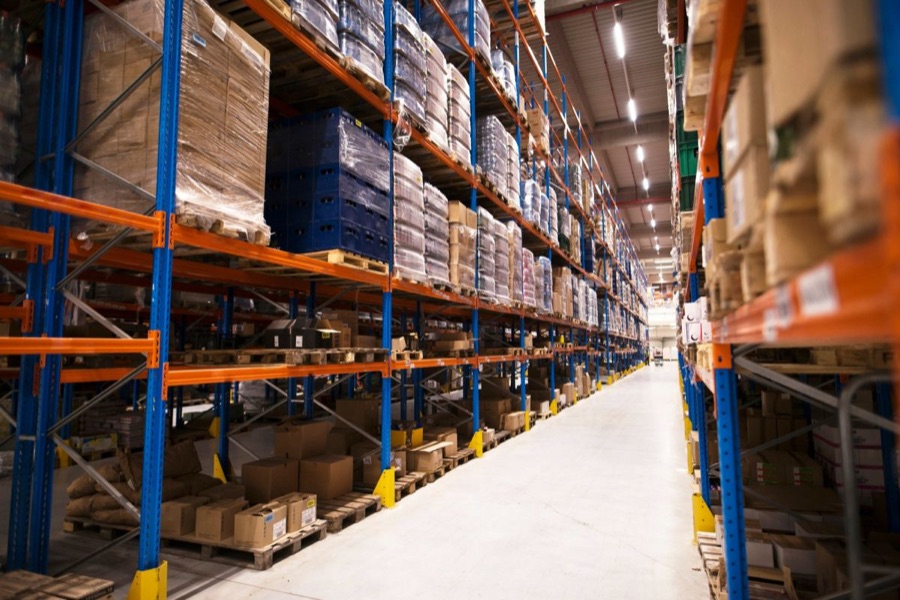
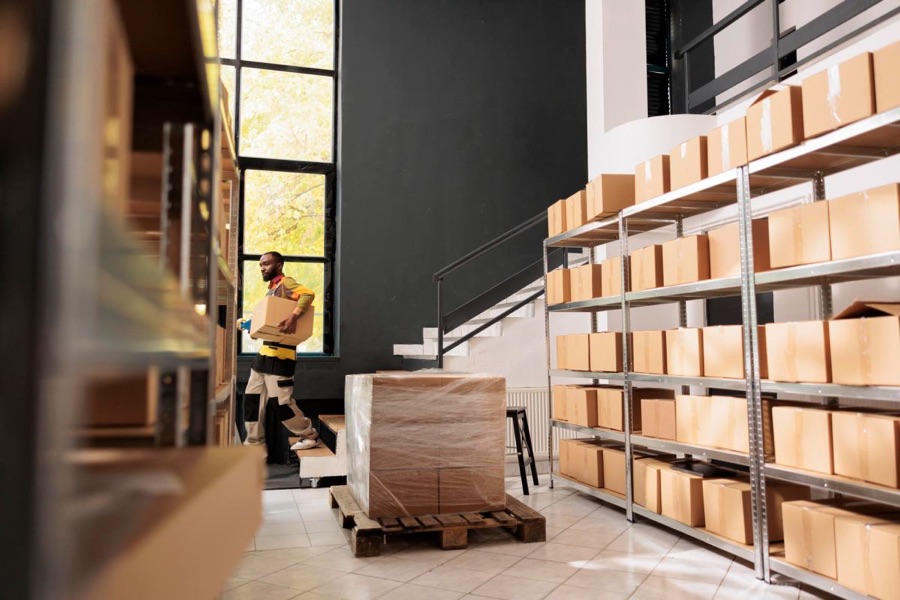
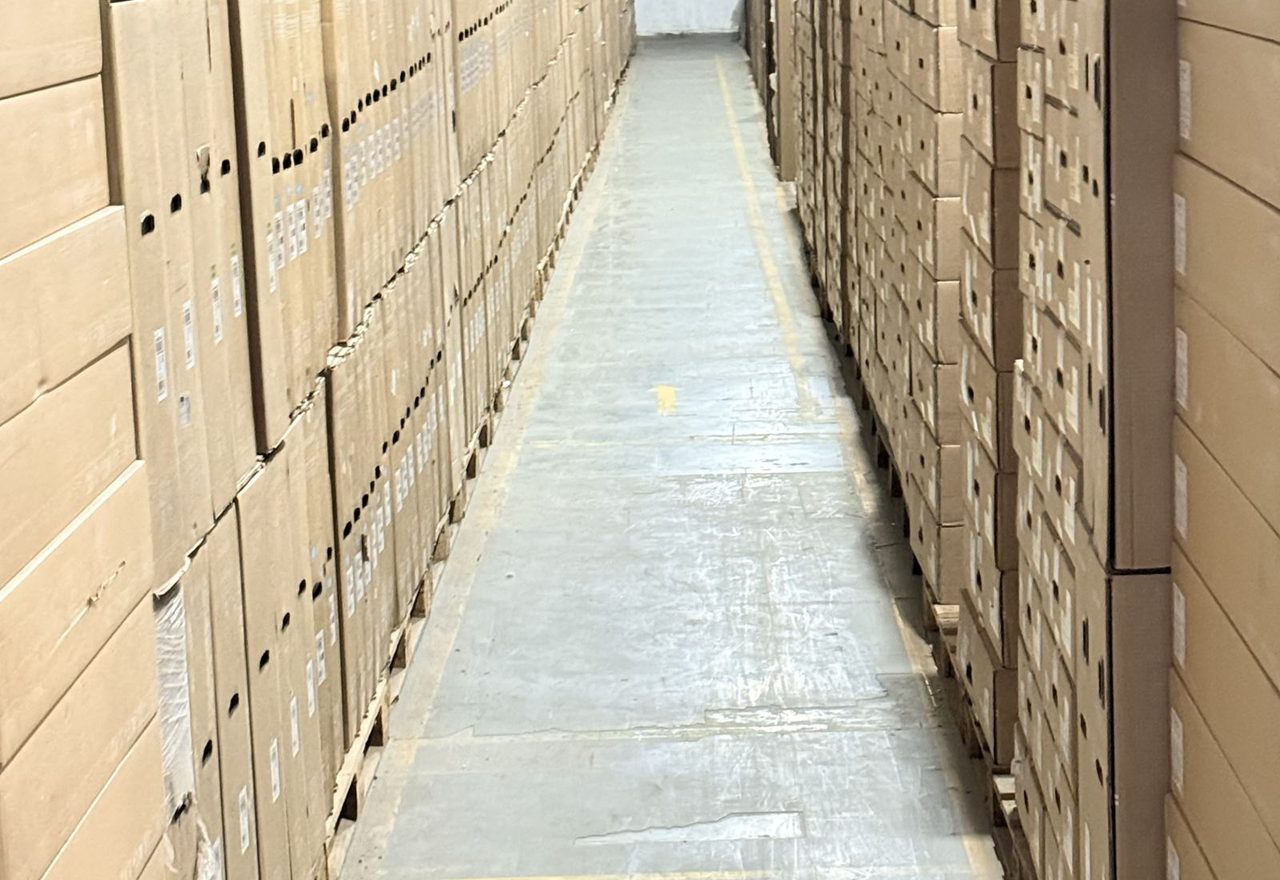
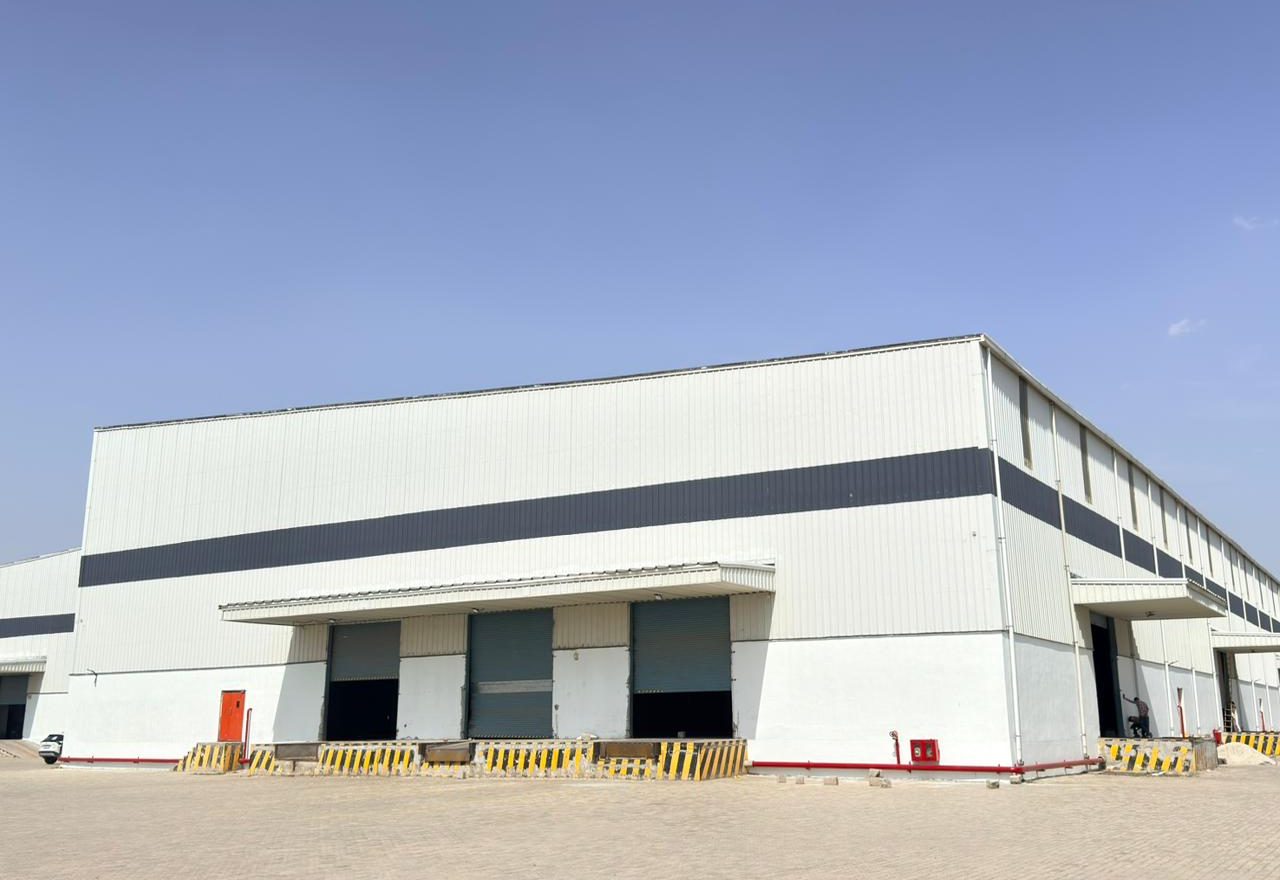
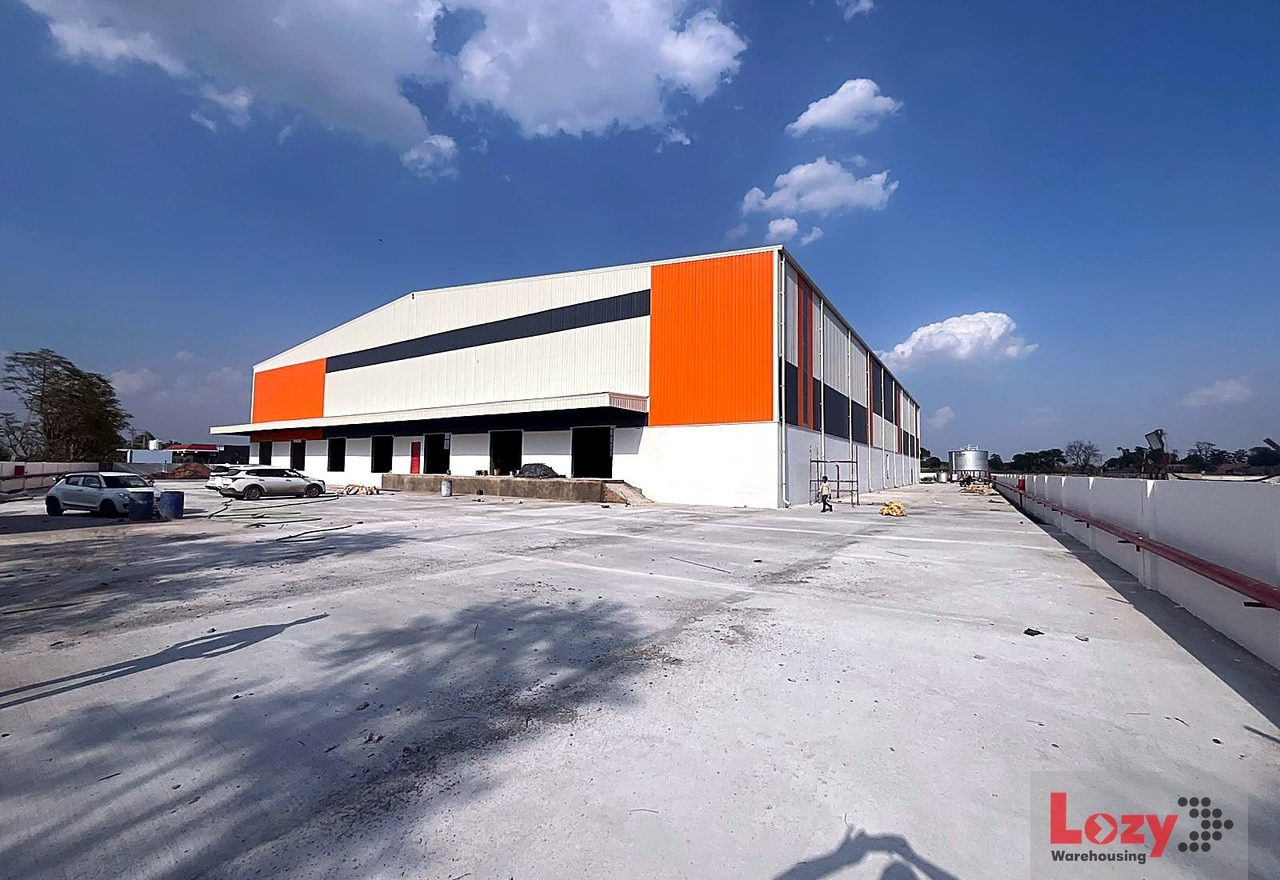
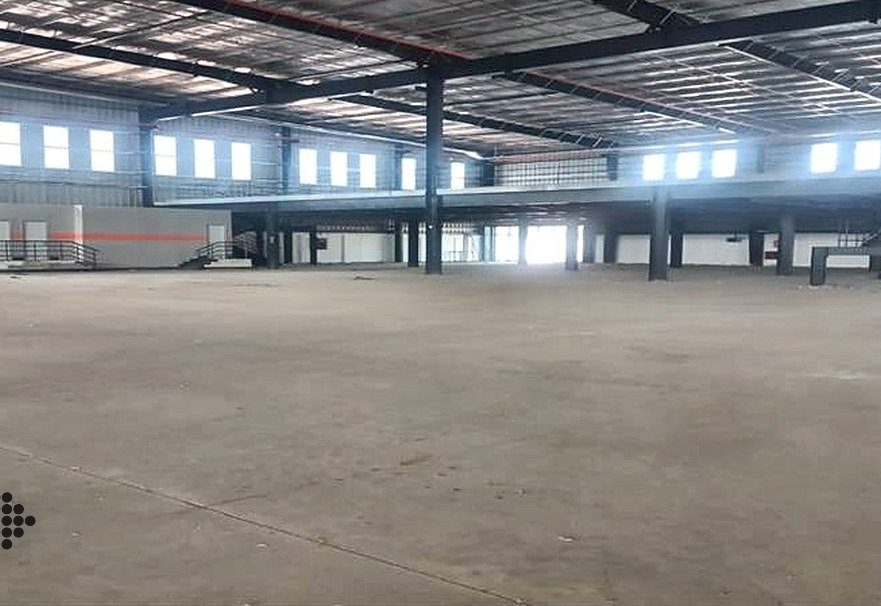
Snack cartons, staple sacks and beverage cases move through Lozy in dry, airy space — dated at intake, rotated oldest-first, and sent out to depots before the counter runs bare.
- Warehouses
- 34
- Locations live
- 25
- Collection centres
- 74
- States & UTs
- 19
01 · Date-led intake
The date leads.
The count follows.
Every consignment is checked in to a rhythm: date code and batch read against the advice note, case counts tallied, and dents, leaks and shrink wrap noted before a single carton is racked.
One snack carton, as the rack tag logs it
- Batch
- FB-2610-218
- Best before
- 06 Mar 2027
- Rack
- C-12 · Bay 3
- Status
- On rotation
Sample rack-tag data, kept here to show how a carton is dated at intake — not a live Lozy figure.
Festive build-ups, summer beverage runs and wedding-season gifting all land on the same shelves. Dated at intake, picked oldest-first, the stock that must move early is the stock that gets out first — nothing ages quietly at the back of a rack.
02 · Crates to counters
From the packing line
to the kirana shelf.
01 / 08
The packaged-food walk — a packed crate from packing line to shelf, drawn as a sample.
-
01
Inbound
Trailers of tray-packed cartons and beverage crates are booked in against their advice notes.
-
02
Receive
Date codes, batch numbers and case counts are read off every carton and matched to the delivery note.
-
03
Store
Palletised cases go into dry rack bays, heavier drink stock kept low and snack cartons stacked above.
-
04
Pick
Picks run to your rotation sheet — oldest dates first, mixed cartons built for each distributor indent.
-
05
Pack
Small orders are built into mixed pallets, taped and weighed, with fragile snack cartons kept off the bottom layers.
-
06
Label
Every carton is marked with its batch and date, then matched to the pick list before sealing.
-
07
Dispatch
Vans are loaded straight off the pick face — kirana counters, wholesalers, supermarket depots — and roll out in drop order.
-
08
Delivery
Runs reach depots and shop counters well inside the date window, with the count agreed at every handover.
03 · Wholesale to D2C
One count feeds
every route out.
Mandi pickups, supermarket depots and D2C parcels all read from one dated stock list, so no shop is promised cases that another route has already claimed.
- Distributor depots
- Wholesale mandis
- Supermarket chains
- Kirana shops
- D2C packs
- 01 Distributor pickup
- 02 Lozy warehouse
- 03 Pick
- 04 Pack
- 05 Ship
04 · Snacks to staples
From snack packs
to staple sacks.
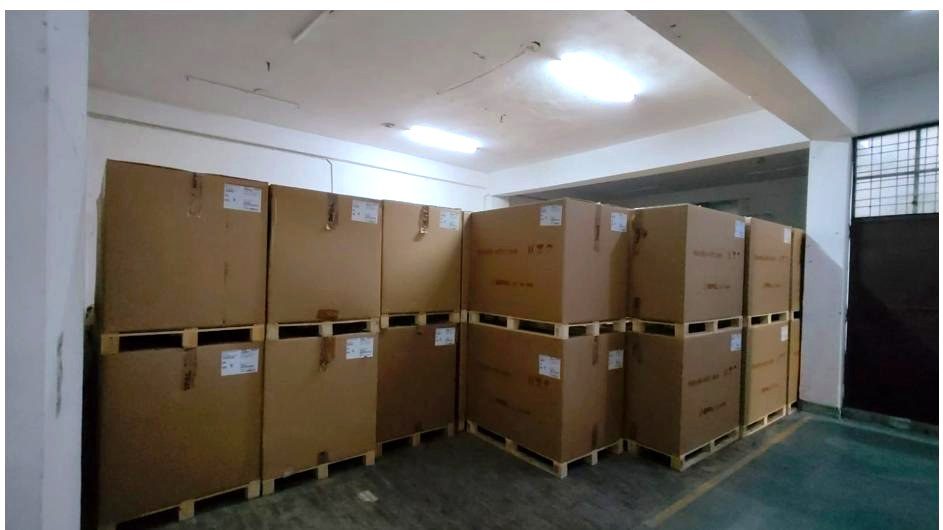
Food and beverage clients typically store a mix of quick-selling lines, festive promotional packs and the packaging material that keeps distribution running. A single monthly plan can cover everything from cartons and crates to slower-moving lines, all billed together each month:
- 01Packaged snacks and namkeen cartons
- 02Biscuits, wafers and bakery packs
- 03Staples: rice, pulses, atta and sugar
- 04Edible oils, sauces and condiments
- 05Tea, coffee and health drinks
- 06Aerated drinks and juice cases
- 07Bottled water and packaged beverages
- 08Ready-to-eat and instant foods
- 09Dry fruits and festive gift packs
- 10Spices, masalas and premixes
- 11Promotional and display material
- 12Packaging: cartons, trays and shrink film
Shelf-stable, properly packed goods are the fit here. Share your product list before booking and the team will confirm what can be accepted at the facility.
Need space for Food & Beverage stock?
Tell us what you store and where it needs to reach — the team confirms availability, the plan and the rates in writing.
05 · Where stock ages
Every industry carries its own pressure — these are the ones the space, the handling and the paperwork are planned around.
-
01
Managing date-sensitive stock
Biscuits, snacks and staples carry dates that decide what can be sold and what must be returned. Without a strict rotation routine, older cases sit at the back while fresher stock ships first, and write-offs build quietly through the year.
-
02
Gaps between peaks
Food demand swings with festive weeks, summer beverage runs and wedding season. A godown leased for the peak sits half-empty through the lull, while a room sized for the lull cannot hold the festive build-up.
-
03
Breakage and leakers
Beverage cases are heavy, snack cartons crush easily, and a single leaking bottle can soak a pallet of packaging. Storage without proper stacking limits, segregation of damaged cases and quick damage reporting turns small incidents into large claims.
-
04
Damp and monsoon months
Monsoon air and leaking roofs soften cartons, fade labels and invite spoilage in food stock. A storage area that is dry, well-roofed and checked after heavy rain keeps cases fit for distribution through the wettest months.
-
05
Distributor pickup discipline
Stockists and distributors expect to collect against a written order and find the right batch ready at the gate. Without labelled locations and a dispatch routine, every pickup becomes a search through mixed stock, and vehicles wait for hours.
-
06
Space cost in city markets
Food distributors serving city markets pay prime rents for premises they use as both warehouse and office. That cost sits in every case sold, and it grows whether the stock moves or not.
06 · Space, rotation, dispatch
Dry, dated,
and dispatched.
5 operations, one contract. Pick one to see what it covers.
07 · Getting started
From enquiry
to moving in.
Most food and beverage requirements go from enquiry to first consignment in under a week. The team reviews your product profile, case sizes and rotation instructions, then proposes space in Delhi NCR or another region from the network.
-
01
Enquire
Share your product type, volumes and the city you need. The team confirms availability and shares rates in writing.
-
02
Site visit and requirement planning
Visit the shortlisted facility or plan remotely — space, access and handling are matched to your operation.
-
03
Onboarding
Documentation, check-in records and access setup are completed before your stock arrives, so day one runs clean.
-
04
Storage, fulfilment and dispatch
Stock is stored, managed and dispatched per your instructions, with monthly GST-invoiced billing.
08 · Why they re-book
-
01
Monthly billing with GST invoices and no long lock-in, so festive build-ups and quiet quarters cost what they should.
-
02
77+ Warehouses across our network keep food stock close to distributor lanes, supermarket depots and wholesale markets.
-
03
One team for storage, handling and dispatch means cartons, crates and trays pass through fewer hands between factory and counter.
-
04
Check-in records and organised rack locations keep date-sensitive stock countable, claim-settled and ready for a distributor's audit visit.
09 · Coverage
Store here.
Deliver everywhere.
Warehousing sits where the orders are. Lozy runs 74 collection centres across 19 states and union territories — store in the right city and the last mile gets shorter.
Boundary as India officially depicts it
- 01 Warehouse
- 02 Fulfilment
- 03 Distribution
- 04 Customer
Every lane on the map is a real movement: stock received at a Lozy warehouse or collection centre, picked and packed there, then distributed to the customer — or moved between sites to be closer to demand.
Guwahati · Jorhat · Bengaluru · Patna · Coimbatore · Madurai · Puzhal & Ambattur · Red Hills (Chennai) · Sholavaram · Ahmedabad · Ankleshwar · Vapi · Ambala · Dharuhera · Faridabad · Garhi Harsaru · Jamalpur · Sonipat · Hyderabad · Jammu · Srinagar · Ranchi · Cochin · Indore · Aurangabad · Bhiwandi · Nagpur · Nashik · Pune · Alipur · Bamnoli · Dhulsiras · Bhubaneswar · Cuttack · Chandigarh · Ludhiana · Zirakpur · Jaipur · Ballia · Ghaziabad · Lucknow · Noida · Haridwar · Roorkee · Rudrapur · Kolkata · Siliguri
10 · Checks before booking
Before you
start storing.
The questions Food & Beverage teams ask before taking warehouse space — answered in plain words.
What does food and beverage warehousing with Lozy involve?
Lozy's food and beverage warehousing covers packaged foods, snacks, staples and shelf-stable beverages, with stock rotated on the date and batch instructions you set. Crates, trays and cartons are handled in racked and floor areas across Delhi NCR and our India network, with dispatch support for distributor and retail supply.
What is food and beverage warehousing?
Food and beverage warehousing is the practice of holding packaged foods, snacks, staples and drinks in a managed warehouse and rotating them on date and batch instructions, instead of stacking stock in a shop back room or a crowded godown. It suits food brands and distributors whose demand changes with festive and summer seasons.
Key points
- Clean, dry, monitored space for packaged foods, snacks, staples and beverages
- Date and batch rotation run strictly on your written instructions
- Cartons, crates and tray-packed cases handled with the right trolleys and stacking
- Festive and summer season capacity without a year-long lease commitment
- Monthly billing with GST invoices and dispatch support for distributors
Keeping packaged food stock fit through the monsoon
Monsoon is the season that tests food storage hardest. Damp air softens carton walls, moisture marks break print quality, and a leaking roof can turn a pallet of biscuits into a return lot. Practical defences are simple and unglamorous: stock kept off the ground on pallets or racking, aisles left clear for air movement, damaged cases pulled out at check-in rather than buried at the back, and a quick check after every heavy spell. Food brands that inspect their stock before the rains and again in September spend far less on damaged returns.
The food distribution calendar and why storage flexes with it
Packaged food moves to a rhythm most other industries do not have. Summer belongs to bottled drinks and juices, the festive quarter fills warehouses with gifting hampers, dry fruits and premium snack packs, and wedding season pulls bulk orders of staples and sweets. Each peak lasts weeks, not years. Monthly storage lets a brand build position ahead of the festive rush, reduce to a core footprint in the quiet quarter, and scale again without paying for space it does not need in June.
What decides the cost of food and beverage warehousing
Food storage is priced for space, location, term and handling, the same four levers as any warehouse, but the details matter more in this trade. Case weights decide whether floor stacking is enough or racking is needed, rotation routines add handling time, and peak flexibility has value a fixed lease cannot match. Any comparison should put the monthly plan against a year-round godown on total cost, including the months a leased shed sits half-empty. The team quotes a written rate after checking your product profile, volumes and location preference.
How to choose a warehouse for Food & Beverage
Distributors, brand owners and purchase teams all weigh the same points when they compare godowns for packaged food. These checks separate storage that protects stock from storage that only holds it.
Profile your product mix
Beverage cases weigh more than snack cartons, festive hampers are bulky, and staples ship in gunny bags. Listing case sizes, weights and stack limits before you book space gets the layout right from day one.
Check how the space stays dry
Ask about roof condition, floor levels and how cartons are kept off the ground during the monsoon months. Dryness protects texture, labels and packaging in ways that matter on the shelf.
Get rotation rules in writing
First-expiry-first-out, batch-wise or consignment-specific picks all work, but only if the facility runs them to a written instruction. Ask how dates are labelled at check-in and how returns are kept separate.
Distance to your distributors
Most food stock ships to stockists, supermarkets and kirana counters within a day. A warehouse close to your distribution lanes cuts freight and keeps delivery slots reliable through peak weeks.
Match handling to case weights
Trolleys, pallet jacks and stacking rules should match what you actually store, from one-kilogram snack cartons to heavy beverage crates. Mismatched handling shows up as crushed corners, leaks and claims.
Plan for festive and summer peaks
Food demand follows the calendar: festive gifting, summer beverages, wedding season and exam-time snacks. Agree a scale-up plan with the facility before the peak, not in the middle of it.
Confirm the paper trail
Check-in records, damage notes and withdrawal slips should be part of everyday service, not something chased after a dispute. Clear paperwork keeps stock counts and distributor claims easy to settle.
Read the billing terms
Monthly billing and GST invoices matter when food margins are thin and distributors pay on fixed cycles. Understand the notice period, deposit treatment and exit terms before any stock moves in.
Frequently asked questions
What food products does Lozy store in its facilities?
How are batch numbers and expiry dates managed in storage?
What does food and beverage storage cost with Lozy?
Can Lozy handle festive-season overflow for food brands?
Can my distributors collect stock directly from the warehouse?
How does Lozy protect stored food stock?
Can crates and tray-packed beverages be stored as well as cartons?
Is food storage available month to month instead of a long lease?
What cannot be stored in a food and beverage warehouse?
How do stock checks and audits work at the warehouse?
Explore the services
06 links
From the blog
03 reads
Locations
04 placesKeep exploring
Industries that
move like yours.
Every industry page runs the same eight-stop walk — these pages tell it again with their own cargo, their own records and their own rules.
 01
01
 02
02
 03
03
11 · Start small
Dates will not wait.
Neither will the season.
List your snack lines and your busiest weeks.
Speak to a human · +91 9354712345
12 · Enquiry
Tell us what
you need to store.
Availability, plan and rates — one short form, a written reply.
- Tell us the industry, product and city — one short form or call.
- Get availability and rates in writing, itemised.
- Move in with documentation, access and records done before stock arrives.
Contact our experts
One form, one reply — Food & Beverage availability and rates.