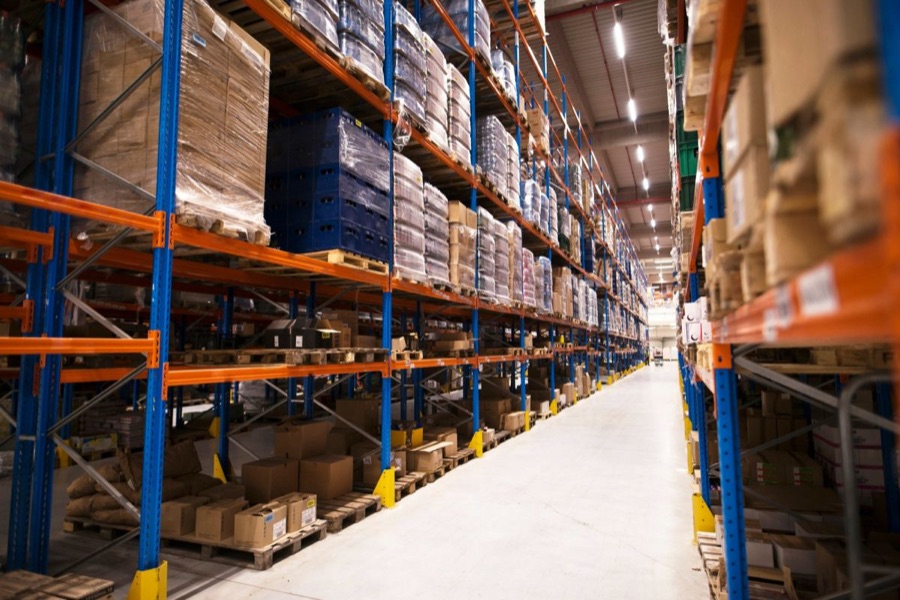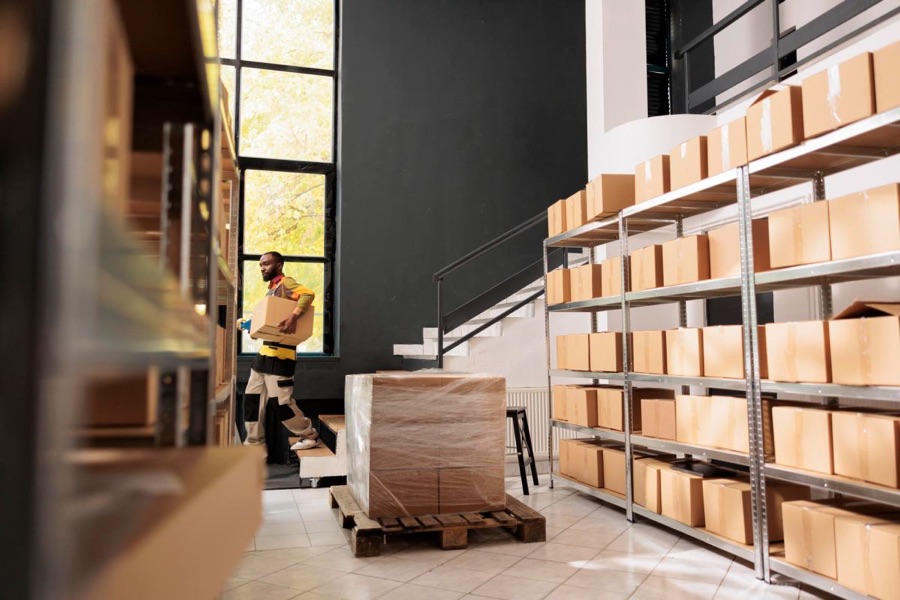
Heavy equipment & project cargo warehousing
Oversize, under cover. Every position agreed first.
Fabricated frames, skids and crated machinery wait here out of the weather while sites catch up — each unit measured in, positioned once, released as the build schedule allows.
- Warehouses
- 34
- Locations live
- 25
- Collection centres
- 74
- States & UTs
- 19
01 · One unit, one line
Measured before
it ever arrives.
Arrival day runs to a plan, not an improvisation: dimensions, weight and crating checked against the papers, the unit tied to its project reference, spares labelled to the same line.
What the register holds on one machine
- Item ref
- EQ-2410-058
- Position
- FLOOR-D04
- Units
- 1 machine, 2 skids
- Status
- Held for site
Sample record, shown to illustrate how a project unit is logged — not a live Lozy figure.
Site programmes slip and foundations wait, so a machine may sit for months. A register tying each unit, its control panels, crates and manuals to a single release plan keeps dispatch matching the site as dates move.
02 · Fab shop to site
Off the low-loader,
into the build order.
01 / 08
One crated machine, waiting out the site's delay — a sample drawing.
-
01
Inbound
Every arrival follows a plan made before the item leaves the fabricator — route, access and standing area settled.
-
02
Receive
Measurements and weights checked against the drawings, crating examined, and one register line opened for the unit.
-
03
Store
Settled onto its planned floor position, under cover, skids kept square so nothing leans across a long wait.
-
04
Pick
The site's release plan decides what moves next; the unit is checked with its spares and manuals alongside.
-
05
Pack
Protective covering refitted, every brace re-secured, and the crate's fastenings confirmed before the trailer door closes.
-
06
Label
Project reference stencilled on every crate, so a load cannot land at the wrong stage of the build.
-
07
Dispatch
Moves out in the agreed sequence, papers cross-checked against the register on the way out.
-
08
Delivery
Handed over at the site gate only once the build is ready for it.
03 · Sites and depots
Staged together,
released by build order.
Foundations, structure and fit-out for several sites wait in one building, each release sequenced to that site's own order — so nothing lands early.
- EPC contractors
- Project sites
- Fabrication shops
- OEM plant teams
- Service depots
- 01 Staged release
- 02 Lozy warehouse
- 03 Pick
- 04 Pack
- 05 Ship
04 · Space for oversize
What stands
under a Lozy roof.
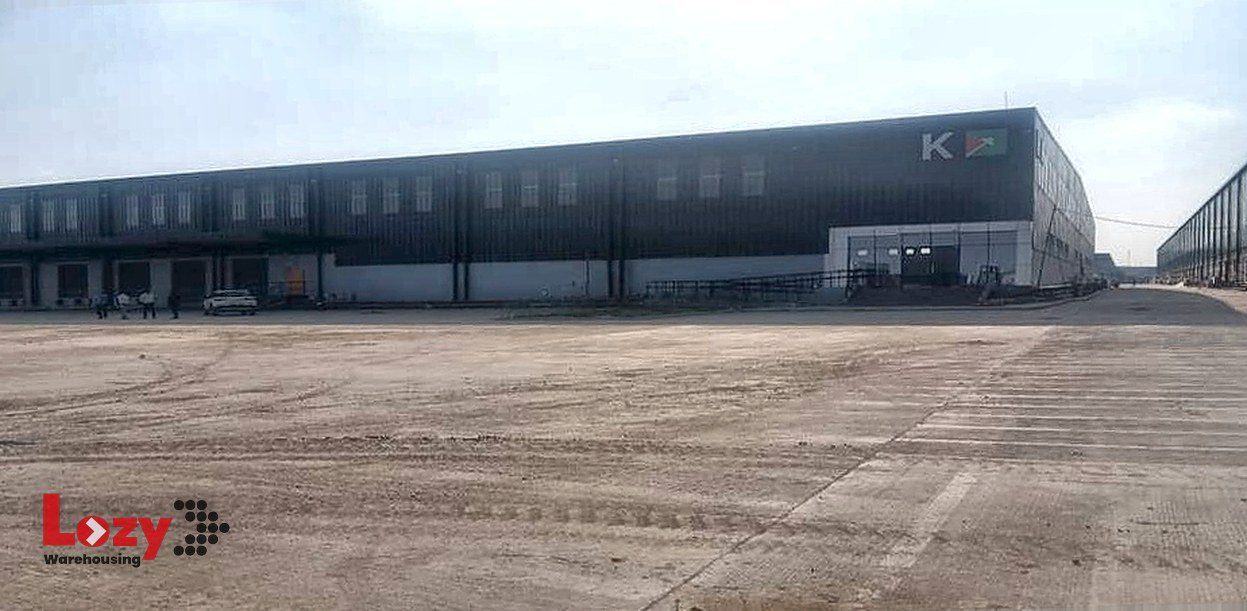
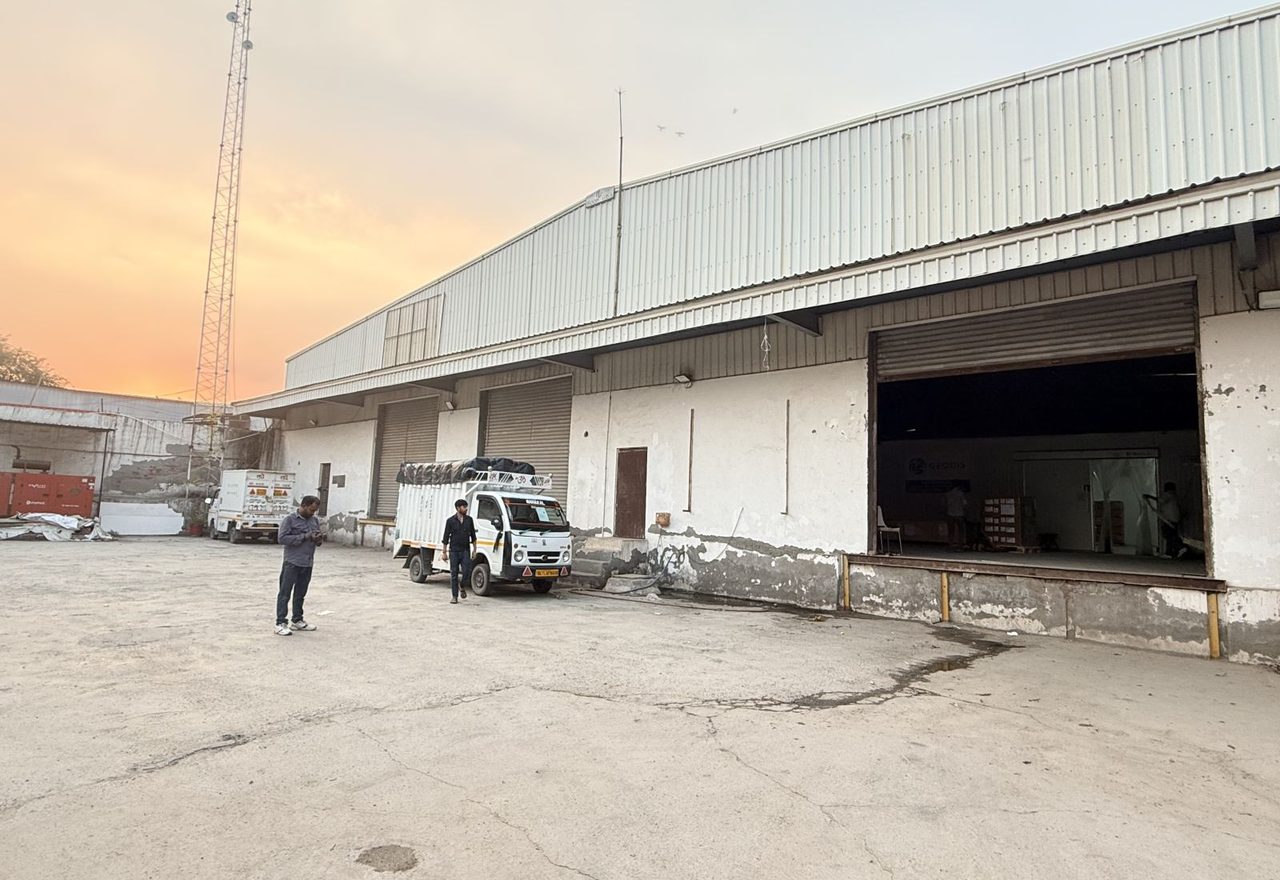
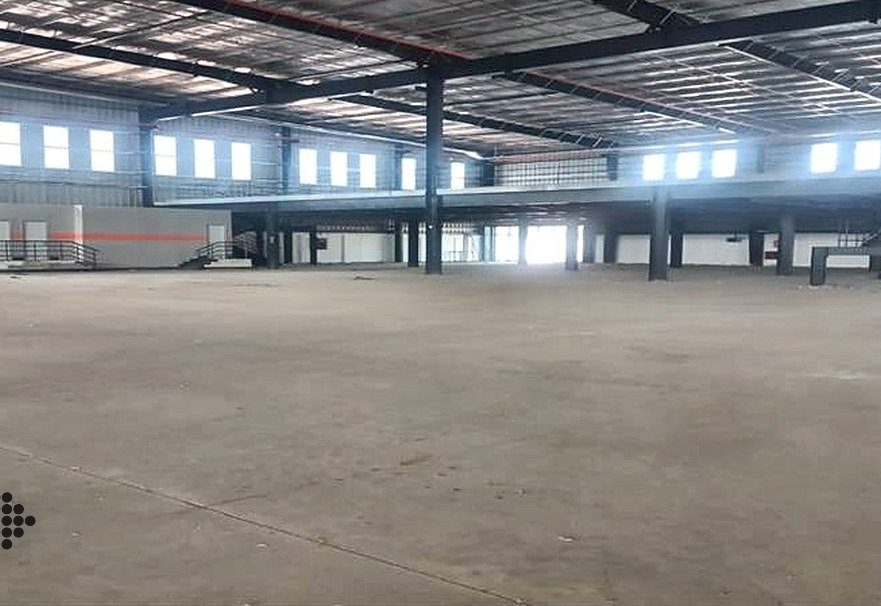
A heavy equipment warehouse holds finished machines, structures and the parts that travel with them. A typical storage plan covers deliverable items, project spares and the crates and frames that protect everything in transit between factory and site, or depot:
- 01Machines and production equipment
- 02Fabricated steel structures
- 03Skids, base frames and mounts
- 04Control panels and drive units
- 05Pipes, beams and long sections
- 06Crated assemblies and sub-assemblies
- 07Site fixtures and fit-out material
- 08Project spares and service kits
- 09Tools and site consumables
- 10Transport crates and support frames
- 11Operation manuals and drawings
Oversized, unusually shaped or heavy items are reviewed before booking so the storage position and access can be planned. Share dimensions, weights and site dates when you enquire.
Need space for Engineering & Heavy Equipment stock?
Tell us what you store and where it needs to reach — the team confirms availability, the plan and the rates in writing.
05 · When site dates slip
Every industry carries its own pressure — these are the ones the space, the handling and the paperwork are planned around.
-
01
Ordinary godowns cannot cope
Machinery and fabricated structures do not fit standard shelf racks or stack neatly. An ordinary godown forces them into corners, where they block access, gather dust and become far harder to inspect or retrieve later.
-
02
Long lead times tie up space
Equipment ordered for a project can sit for months before the site is ready. Without a plan that treats it as long-term storage, items get shuffled between places and paperwork goes missing along the way.
-
03
Movement needs planning
Oversized items cannot be shifted on a whim. Access routes, clearances and the final position need thought before the trailer arrives, or the item ends up parked wherever it happens to land.
-
04
Dust and weather damage
Monsoon rain, dust and standing moisture are hard on machinery surfaces, electricals and crated assemblies. Uncovered yards and leaking sheds turn working equipment into a refurbishment project before it reaches site.
-
05
Site dates keep shifting
Civil work runs late, foundations wait on approvals and dispatch plans change weekly. Storage that cannot hold material longer, then release it in a new sequence, pushes the problem straight back to the project team.
-
06
Small parts get separated
Control panels, fasteners, mounts and manuals often arrive with the main machine but are easier to misplace. Once separated, reconnecting the right parts to the right equipment becomes a project in itself.
06 · Room for the wait
Plan first,
protected throughout.
5 operations, one contract. Pick one to see what it covers.
07 · Getting started
From enquiry
to moving in.
Heavy equipment enquiries start with dimensions, weights and site dates. The team reviews the access route and agrees a handling plan before the first item arrives, so its storage position is settled while the trailer is still being loaded.
-
01
Enquire
Share your product type, volumes and the city you need. The team confirms availability and shares rates in writing.
-
02
Site visit and requirement planning
Visit the shortlisted facility or plan remotely — space, access and handling are matched to your operation.
-
03
Onboarding
Documentation, check-in records and access setup are completed before your stock arrives, so day one runs clean.
-
04
Storage, fulfilment and dispatch
Stock is stored, managed and dispatched per your instructions, with monthly GST-invoiced billing.
08 · Why firms come back
-
01
1M+ Sq. Ft. Live Space across our network gives project consignments room to be stored, staged and released properly.
-
02
Handling and placement planned around each item's dimensions, weight and dispatch sequence, so arrival day is a settled operation.
-
03
Staged dispatch aligned to site readiness, with release lists agreed and sequenced to match the project's actual build order.
-
04
Billing stays predictable with monthly billing, GST invoice, no lock-in, so a project that runs long does not force a fresh negotiation.
09 · Coverage
Store here.
Deliver everywhere.
Warehousing sits where the orders are. Lozy runs 74 collection centres across 19 states and union territories — store in the right city and the last mile gets shorter.
Boundary as India officially depicts it
- 01 Warehouse
- 02 Fulfilment
- 03 Distribution
- 04 Customer
Every lane on the map is a real movement: stock received at a Lozy warehouse or collection centre, picked and packed there, then distributed to the customer — or moved between sites to be closer to demand.
Guwahati · Jorhat · Bengaluru · Patna · Coimbatore · Madurai · Puzhal & Ambattur · Red Hills (Chennai) · Sholavaram · Ahmedabad · Ankleshwar · Vapi · Ambala · Dharuhera · Faridabad · Garhi Harsaru · Jamalpur · Sonipat · Hyderabad · Jammu · Srinagar · Ranchi · Cochin · Indore · Aurangabad · Bhiwandi · Nagpur · Nashik · Pune · Alipur · Bamnoli · Dhulsiras · Bhubaneswar · Cuttack · Chandigarh · Ludhiana · Zirakpur · Jaipur · Ballia · Ghaziabad · Lucknow · Noida · Haridwar · Roorkee · Rudrapur · Kolkata · Siliguri
10 · Before the trailer
Before you
start storing.
The questions Engineering & Heavy Equipment teams ask before taking warehouse space — answered in plain words.
What does heavy equipment warehousing with Lozy involve?
Lozy stores machinery, fabricated structures and oversized project items in covered facilities, with handling and placement planned around each item's dimensions and weight. Consignments are protected from dust and weather and released in phases against project site schedules, billed monthly across Delhi NCR and our India network.
What is heavy equipment warehousing?
Heavy equipment warehousing is the storage of machinery, fabricated structures and other oversized project items in a managed facility. Because these items are difficult to move and costly to damage, handling plans and storage positions are agreed before arrival, and dispatch follows the project's site schedule.
Key points
- Covered storage areas sized for machinery, fabricated structures and crated assemblies
- Handling and placement plans agreed before each item arrives at the facility
- Long-lead project storage with phased dispatch in line with site readiness
- Equipment kept off damp floors and covered against dust and monsoon weather
- Monthly billing that suits project timelines, with GST invoices issued
How handling plans work in heavy equipment warehousing
Every oversized item comes with three questions: how does it get in, where does it sit, and how does it come out. The process works when those answers are agreed before the trailer is loaded. Dimensions, weight distribution, access needs and the dispatch sequence are reviewed together, and the storage position is chosen so the item can be retrieved later without disturbing its neighbours. That planning is what keeps a machinery consignment from becoming an obstacle course in a shared warehouse.
Staging long-lead equipment before a project starts
On long projects, equipment is often ready well before the site is. Storing it well means treating the warehouse as a staging area: items checked in against the project register, kept under cover, and released in the order the site can actually receive them. Foundations, structure and fit-out follow each other in a sequence, and a dispatch plan that matches construction reality saves rehandling and stops expensive items sitting exposed on site for months.
What drives the cost of heavy equipment storage
Billing is monthly, based on the floor space your items occupy and the handling they need, with GST invoices for registered businesses. Rates depend on location, the term, access requirements and how densely items can be stored, and the team quotes in writing after a requirement check or a site walk-through. The comparison worth making is not rate alone: equipment stored without cover or planning costs far more in refurbishment than a slightly higher rate on the right space.
How to choose a warehouse for Engineering & Heavy Equipment
Choosing storage for machinery is mostly about the day the item arrives and the day it leaves. These checks help project and plant teams avoid the common mistakes in between.
Route and access reviewed first
Ask how the path from gate to storage position is planned: turning space, door widths, floor route and final placement. If access is treated as an afterthought, the item is parked wherever it happens to fit.
A handling plan before arrival
The right time to plan movement is before dispatch, when the item can still be packed and braced for storage. Confirm exactly what information the facility needs from your project team.
Floor space for irregular shapes
Machinery and fabricated frames rarely stack. Look for clear floor areas that suit their footprints and heights, with walkways kept open so stored items can still be inspected and counted.
Protection from dust and weather
Covered storage, items raised off damp floors and adequate wrapping slow the wear that turns functional equipment into a refurbishment task before it ever reaches the site. Ask what covering is included.
Long-lead storage terms
Projects slip, so confirm how extended storage is billed, how often the arrangement is reviewed, and what notice is needed before a partial release or the final dispatch to site.
Staged dispatch readiness
Ask how release lists are sequenced and how quickly an item can be readied for transport once the site gives clearance, especially when several items leave in one dispatch slot.
Records that outlast the project
Check-in notes, condition observations and an inventory list at the facility should match your own project register, so final reconciliation takes an afternoon rather than a month of emails at close.
Frequently asked questions
What kinds of equipment can be stored with Lozy?
How is oversized equipment moved into and around storage?
Can equipment be stored for many months before dispatch?
How much does heavy equipment storage cost with Lozy?
How is equipment protected from dust and weather?
Can dispatches be staged to match project site progress?
Do you store smaller components along with the machinery?
What information do you need before accepting an oversized item?
Is interim storage available between factory and site?
Can imported machinery be stored after clearing?
Explore the services
06 links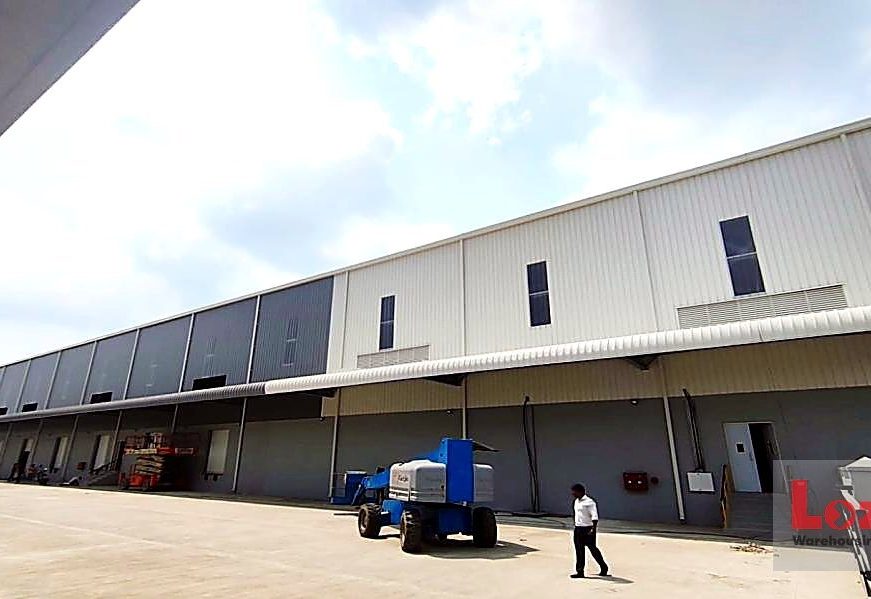
From the blog
03 reads
Keep exploring
Industries that
move like yours.
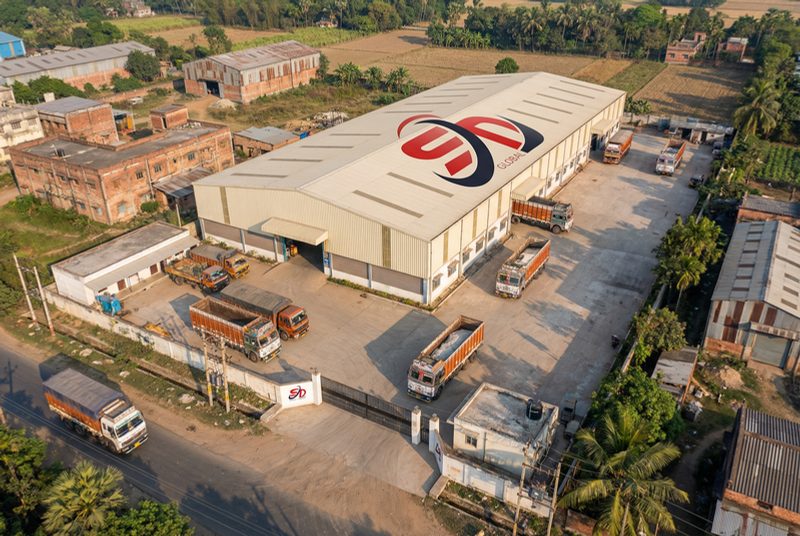
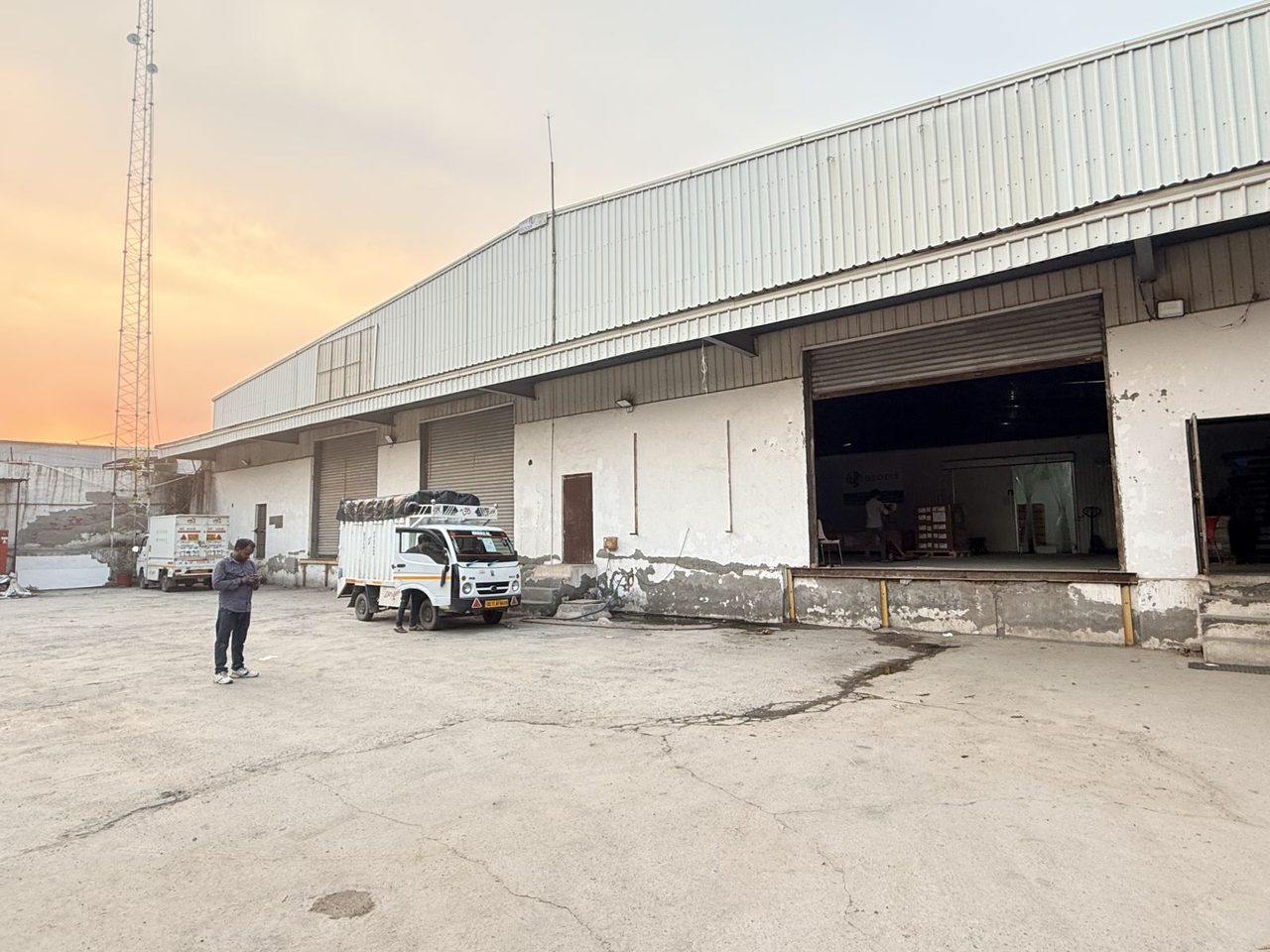
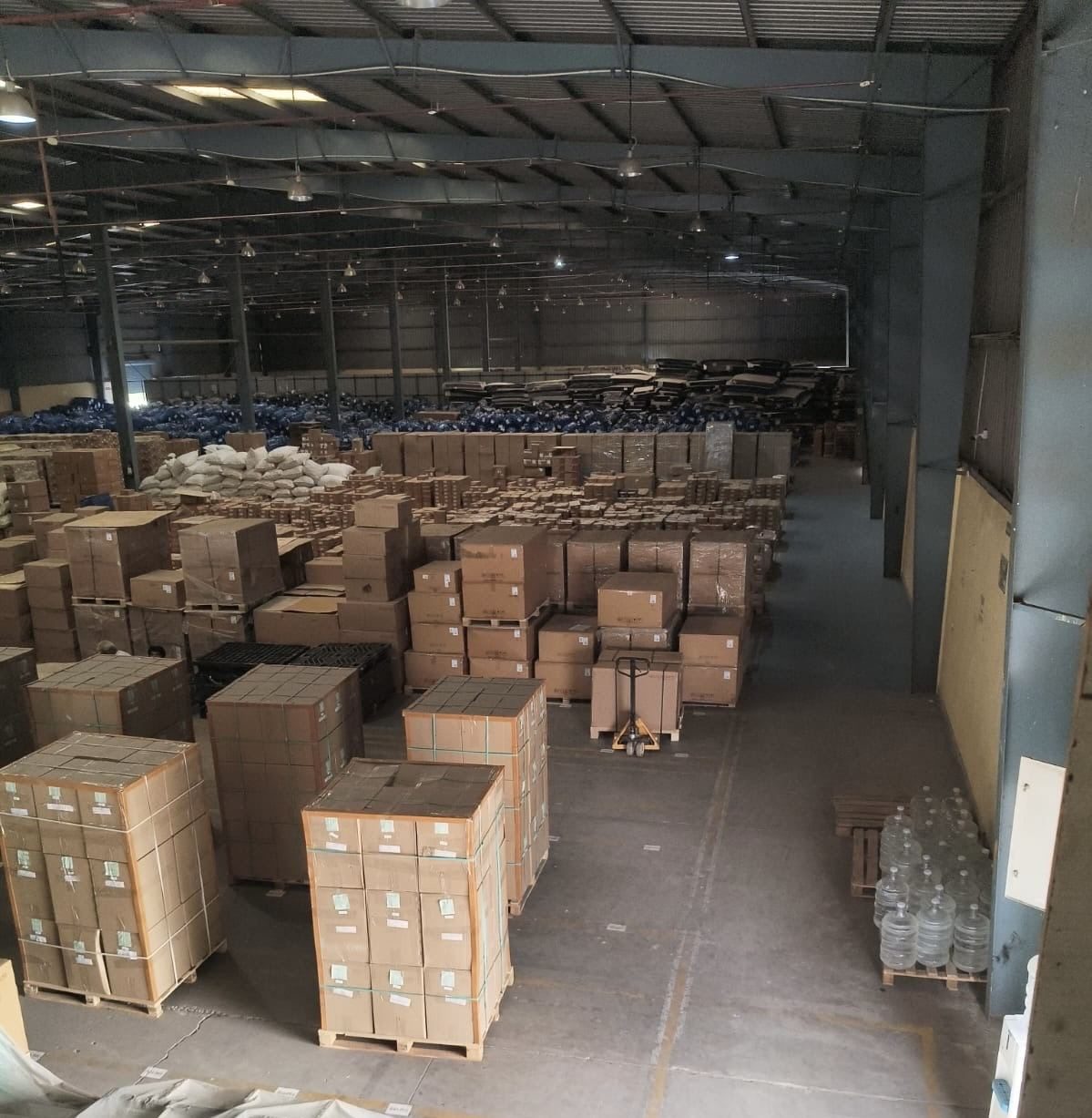
Every industry page runs the same eight-stop walk — these pages tell it again with their own cargo, their own records and their own rules.
 01
01
 02
02
 03
03
11 · Dimensions first
Foundations run late.
Covered storage, staged release.
Send the item list, weights and release dates.
Speak to a human · +91 9354712345
12 · Enquiry
Tell us what
you need to store.
Availability, plan and rates — one short form, a written reply.
- Tell us the industry, product and city — one short form or call.
- Get availability and rates in writing, itemised.
- Move in with documentation, access and records done before stock arrives.
Contact our experts
One form, one reply — Engineering & Heavy Equipment availability and rates.