Apparel and fashion warehousing
Stitched months ahead. Sold in a season's rush.
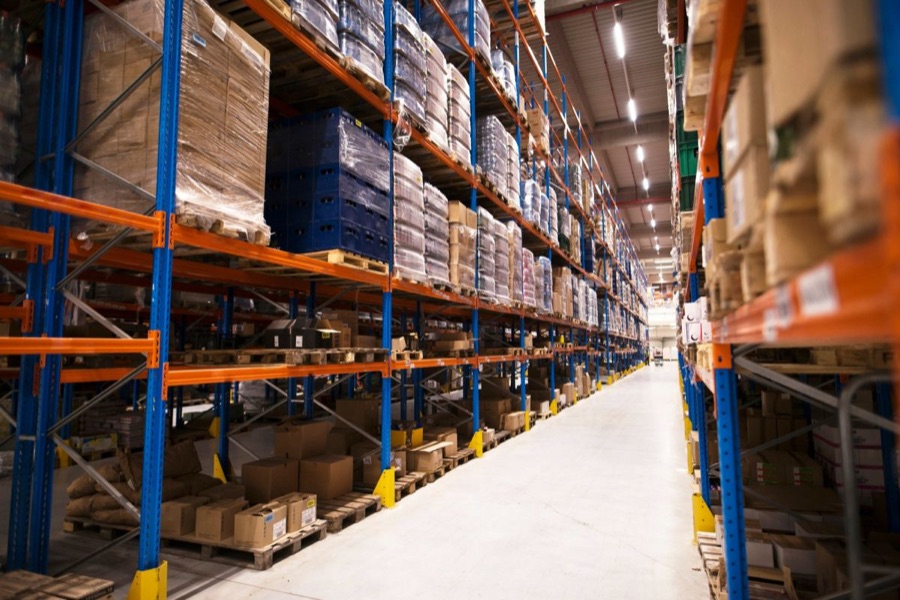
Labels, brands and sellers keep folded garment runs on Lozy racks — style code, size and colour recorded at every check-in, so any variant stays pickable through the season.
- Warehouses
- 34
- Locations live
- 25
- Collection centres
- 74
- States & UTs
- 19
01 · Style, size, colour
Your line sheet,
living on the rack.
At check-in, every garment is recorded by style code, size and colour way — so any variant you ask for can be found, pulled and counted.
One style run, as the rack sees it
- Style
- ST-4417
- Size run
- S to XXL
- Stock
- 212 pieces
- Status
- Sale-ready
Sample record for a single style run, drawn to show how variants are counted — not a live Lozy figure.
One delivery can carry more variants than a mid-size store holds in a year, and they leave bagged, one parcel at a time. Style-and-size records keep the whole range countable from first intake to final markdown.
02 · Pre-season to sale rail
From packed cartons,
to store rails.
01 / 08
Drawn as a sample — a folded style run's walk from intake to the sale rail.
-
01
Inbound
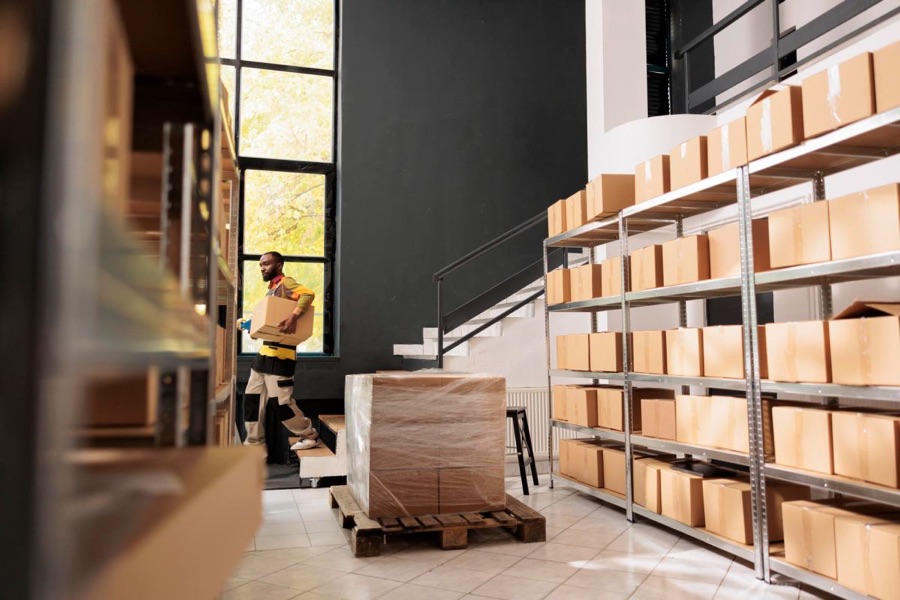
The season's cartons land at the dock and are ticked line by line onto the intake sheet.
-
02
Receive
Pieces are taken from their poly-bags and checked against the style sheet, size run by size run.
-
03
Store
Rack sections are set by style: sizes run in order and colour ways sit apart.
-
04
Pick
Store orders are worked shelf by shelf, pulled variant by variant in the sizes asked for.
-
05
Pack
Each piece is folded to your standard, poly-bagged, and flat-packed to keep its shape.
-
06
Label
Destination marks, barcodes and swing tags are verified box by box at the sealing bench.
-
07
Dispatch
Packed cartons are stacked by drop point — store, marketplace or export lot — and loaded in route order.
-
08
Delivery
Garments reach sales floors, franchise shelves and online buyers; returns come in for a condition check.
03 · Where the range goes
Stores, sites,
buyers — one range.
Store requests, franchise repeats, marketplace orders and export lots are all picked from one counted range — a bestseller can be re-ordered before a size sells out.
- Multi-brand retailers
- Franchise counters
- Marketplace listings
- Brand website
- Overseas buyers
- 01 Store indent
- 02 Lozy warehouse
- 03 Pick
- 04 Pack
- 05 Ship
04 · Folded and flat-packed
Folded, boxed,
and hung where needed.
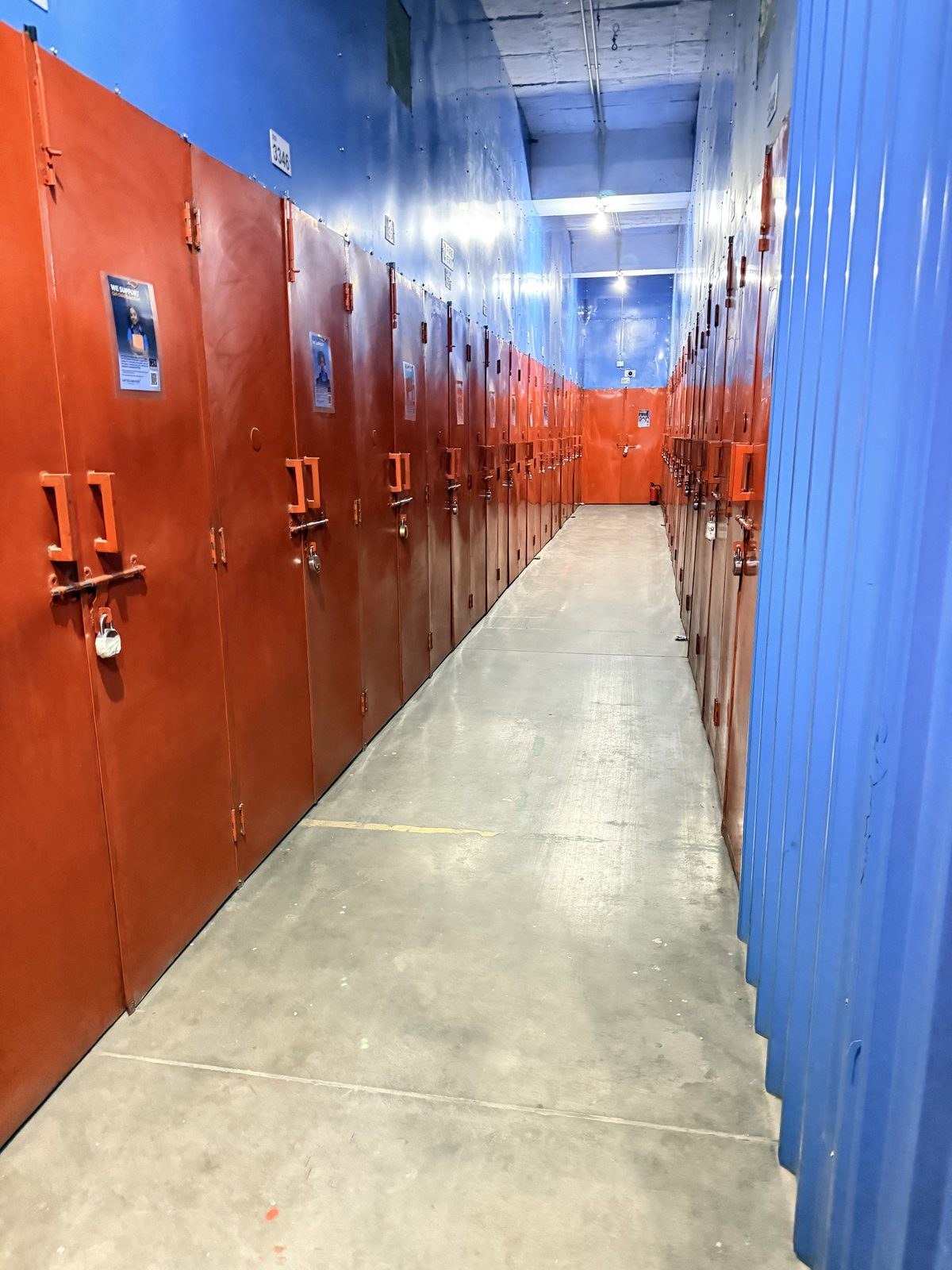
A fashion business stores far more than finished garments. Collections, samples, packaging material and fixtures all need a home between production, display and dispatch, and keeping them together in one organised facility is what makes launch weeks calmer.
- 01Folded garments by style and size
- 02Flat-pack and boxed apparel
- 03Pre-season and festive collections
- 04End-of-season carryover stock
- 05Sample and showroom pieces
- 06Accessories, belts and scarves
- 07Footwear and shoe boxes
- 08Bags and small leather goods
- 09Hangers and display fixtures
- 10Swing tags and poly-bags
- 11Returned pieces awaiting sorting
Garments should arrive tagged, folded and packed the way they will be stored; high-value or delicate pieces can be flagged at intake so the team plans the right position.
Need space for Apparel & Fashion stock?
Tell us what you store and where it needs to reach — the team confirms availability, the plan and the rates in writing.
05 · The variant sprawl
Every industry carries its own pressure — these are the ones the space, the handling and the paperwork are planned around.
-
01
The SKU explosion problem
One style becomes dozens of SKUs once sizes and colour ways multiply, and a second season doubles the count again. Without labelled positions for every variant, picking slows and stock quietly goes missing inside its own rack.
-
02
Season rides and carryover
Fashion works a season ahead: stock arrives months before it sells, then must move in waves when the collection launches and again when sales begin. Whatever does not clear in season becomes carryover needing a home.
-
03
Damage from dust and damp
Folded stacks darken along the edges, damp corners mark fabric and heavy piles crease whatever sits at the bottom. Garments need clean, dry storage off the floor, in covers where supplied, not a leaking corner godown.
-
04
Sale-cycle picking pressure
End-of-season sales move thousands of pieces in days. Picking by size and style at that speed only works if the layout and records were ready before the sale started, not improvised under pressure at the packing bench.
-
05
Sample and display stock
Showroom pieces, photo-shoot samples and display sets are not saleable stock, but they get mixed into it easily. Without a separate, tracked location, samples vanish into the range and buyers wait on replacements.
-
06
Returns that need checking
Fashion returns arrive creased, untagged or damaged and cannot go straight back to the rack. They need a sorting area, a quick condition check and a clear decision path back to stock, back to repair or out.
06 · What Lozy takes on
One floor, from
intake to markdown.
5 operations, one contract. Pick one to see what it covers.
07 · Getting started
From enquiry
to moving in.
Share your style count, size runs and season calendar first. The team proposes rack and shelf space by category, agrees labelling conventions for style codes, and schedules intake so the first collection is checked in before its dispatch window opens.
-
01
Enquire
Share your product type, volumes and the city you need. The team confirms availability and shares rates in writing.
-
02
Site visit and requirement planning
Visit the shortlisted facility or plan remotely — space, access and handling are matched to your operation.
-
03
Onboarding
Documentation, check-in records and access setup are completed before your stock arrives, so day one runs clean.
-
04
Storage, fulfilment and dispatch
Stock is stored, managed and dispatched per your instructions, with monthly GST-invoiced billing.
08 · Why labels rebook
-
01
Space is billed monthly with GST invoices and no lock-in, so labels can scale up for a launch and release floor after the sale.
-
02
CCTV surveillance and controlled access keep limited-edition, bridal and sample stock inside monitored storage areas with logged entry.
-
03
Records follow your style codes, size runs and colour ways, so the range stays countable and pickable through every season.
-
04
One facility holds pre-season intake, live stock, samples and carryover, so the collection stays together instead of scattered across studios.
09 · Coverage
Store here.
Deliver everywhere.
Warehousing sits where the orders are. Lozy runs 74 collection centres across 19 states and union territories — store in the right city and the last mile gets shorter.
Boundary as India officially depicts it
- 01 Warehouse
- 02 Fulfilment
- 03 Distribution
- 04 Customer
Every lane on the map is a real movement: stock received at a Lozy warehouse or collection centre, picked and packed there, then distributed to the customer — or moved between sites to be closer to demand.
Guwahati · Jorhat · Bengaluru · Patna · Coimbatore · Madurai · Puzhal & Ambattur · Red Hills (Chennai) · Sholavaram · Ahmedabad · Ankleshwar · Vapi · Ambala · Dharuhera · Faridabad · Garhi Harsaru · Jamalpur · Sonipat · Hyderabad · Jammu · Srinagar · Ranchi · Cochin · Indore · Aurangabad · Bhiwandi · Nagpur · Nashik · Pune · Alipur · Bamnoli · Dhulsiras · Bhubaneswar · Cuttack · Chandigarh · Ludhiana · Zirakpur · Jaipur · Ballia · Ghaziabad · Lucknow · Noida · Haridwar · Roorkee · Rudrapur · Kolkata · Siliguri
10 · The garment test
Before you
start storing.
The questions Apparel & Fashion teams ask before taking warehouse space — answered in plain words.
What does apparel and fashion warehousing with Lozy involve?
Apparel and fashion warehousing with Lozy means holding folded, flat-pack and sample garments in organised rack space, with size runs, style codes and colour ways recorded at intake. Fashion brands, labels and sellers use Lozy facilities in Delhi NCR and across our India network to store collections, run sale-cycle dispatch and keep seasonal stock in saleable condition.
What is apparel and fashion warehousing?
Apparel and fashion warehousing is the storage and handling of garments and accessories — from size-run basics to seasonal collections — in a facility organised by style code, size and colour. It gives fashion businesses somewhere to hold pre-season intake, samples and end-of-season stock without occupying retail or studio space.
Key points
- Racked, shelf and flat-pack space for folded garments by size run
- Stock recorded by style code, size and colour way at intake
- Room for pre-season intake, festive collections and end-of-season carryover stock
- Sale-cycle dispatch support for fashion e-commerce, store and D2C orders
- Sample sets and display pieces kept apart from saleable stock
Storing a fashion range by style, size and colour way
Fashion inventory is pleasingly logical and brutally detailed: every style arrives in a run of sizes, each in several colour ways, and often in two or three fabric variants. Storage has to mirror that structure or it fights it. Rack sections assigned by style, shelves within them by size sequence, and colour ways separated by a divider make picking quick and counts believable. A mid-season repeat order can then slot into the same position instead of starting a fresh pile, and left-over pieces at the end of a range stay visible enough to clear through outlets or an online sale.
How the fashion calendar shapes storage needs
Most apparel businesses work a season or two ahead: production lands months before the selling window, dispatch spikes when the collection launches, and a second wave follows during end-of-season sales. Storage plans should match that calendar rather than the other way around. Take extra space weeks before a delivery is due, keep new-season stock in dispatch-ready positions, and decide early whether leftover pieces move to a carryover area, a different channel or long-term storage. A monthly plan lets a label scale up for a launch and down after the sale without renegotiating premises.
Keeping garments saleable while they wait
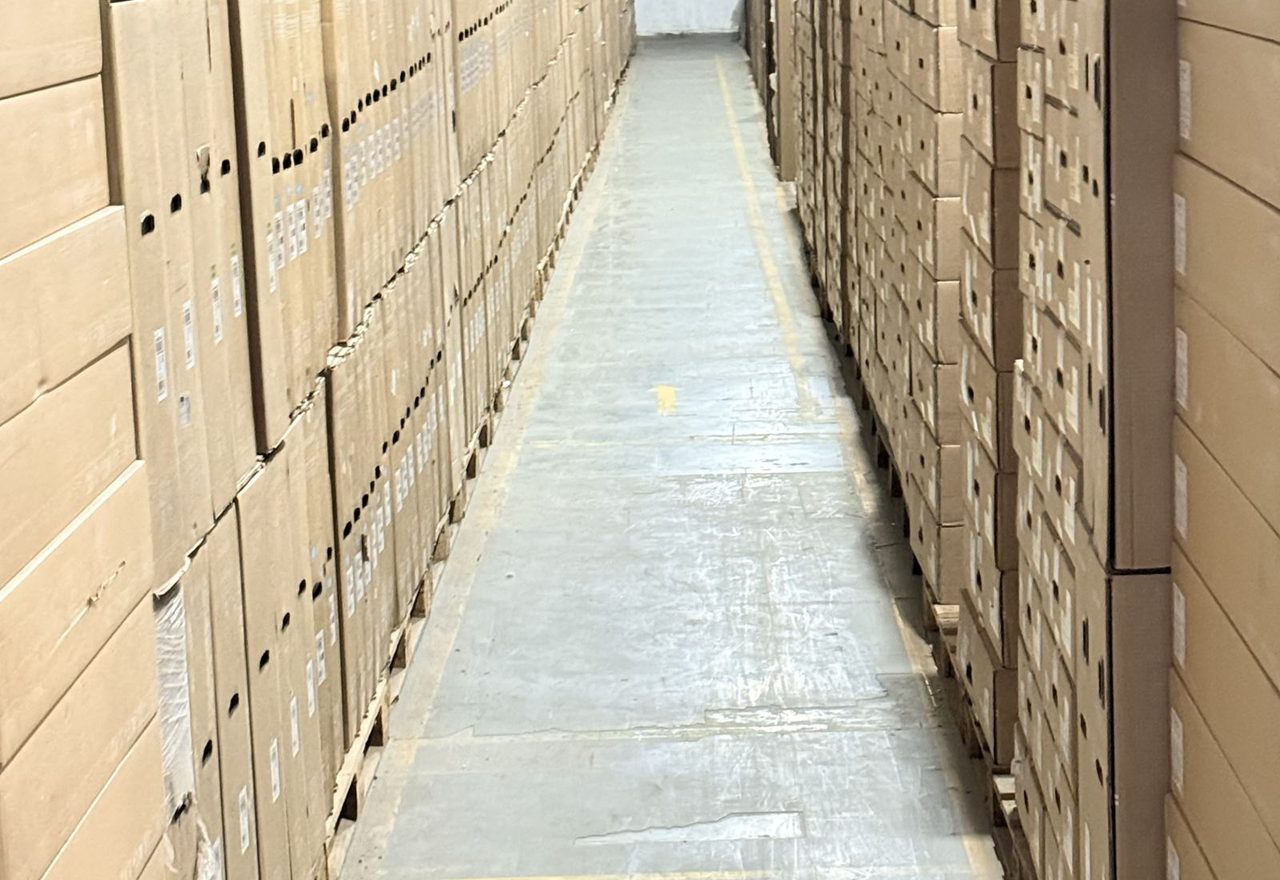
A garment that waits badly for four months can lose its entire season. Dust settles into folded edges, damp corners stain fabric, and overfilled stacks crease everything at the bottom. Simple discipline prevents most of it: store off the floor, keep piles within sensible heights, use covers for delicate pieces, recheck whatever has been waiting longest, and leave aisles wide enough to handle stock without brushing against cartons. Facilities that treat stored garments as saleable inventory keep their clients' markdowns and returns lower.
How to choose a warehouse for Apparel & Fashion
Fashion founders, production heads and e-commerce managers choosing storage should test a warehouse on how it will treat garments and how it will find them again, not just on rent per square foot.
Ask for a garment storage plan
Folded on shelves, flat-packed in cartons or on short hanging runs: the mix decides your racking and your handling cost. Ask the facility to show how a full size run would actually sit before you book.
Test the labelling logic
Warehouse location codes should carry style, size and colour without ambiguity. If labelling conventions are left vague, every stock count becomes an argument and every pick slows into a hunt through the racks.
Check protection from dust and damp
Garments sit for months before some collections sell. Look for clean floors, off-ground storage, covers where stock is susceptible, and a plan for what happens when a corner gets damp or a roof leaks.
Plan for season waves
Pre-season intake lands in a rush and sale dispatch leaves faster. Confirm the facility can add space before a collection arrives and support high pick volumes during end-of-season sales without breaking daily routines.
Keep samples separate
Ask how sample sets, shoot pieces and showroom stock will be tracked apart from saleable inventory. A separate, recorded position avoids the classic hunt for a sample that quietly joined a pick list.
Sort returns properly
Fashion returns need a dedicated area for unpacking, condition checks and retagging before anything re-enters stock. Without one, returns pile up unnoticed and slow-moving stock hides among them for weeks.
Security for high-value pieces
Bridal wear, limited editions and premium accessories deserve controlled access and monitored zones. Ask who can enter the storage area and how withdrawals are logged on an ordinary working day.
Check the paperwork
Monthly billing and GST-compliant invoices keep storage costs clean in your books and useful for marketplace or buyer verification, especially when a facility address has to appear in official records.
Frequently asked questions
How does Lozy organise a range with hundreds of apparel SKUs?
Can garments be stored folded instead of on hangers?
How should stock be packed before it arrives at Lozy?
Can sample and display stock be kept apart from saleable inventory?
How much does apparel and fashion warehousing cost with Lozy?
Do you support dispatch during fashion sale cycles?
What happens to end-of-season stock that does not sell?
How are garments protected during long storage?
Can our design team visit to photograph or pull samples?
Explore the services
06 links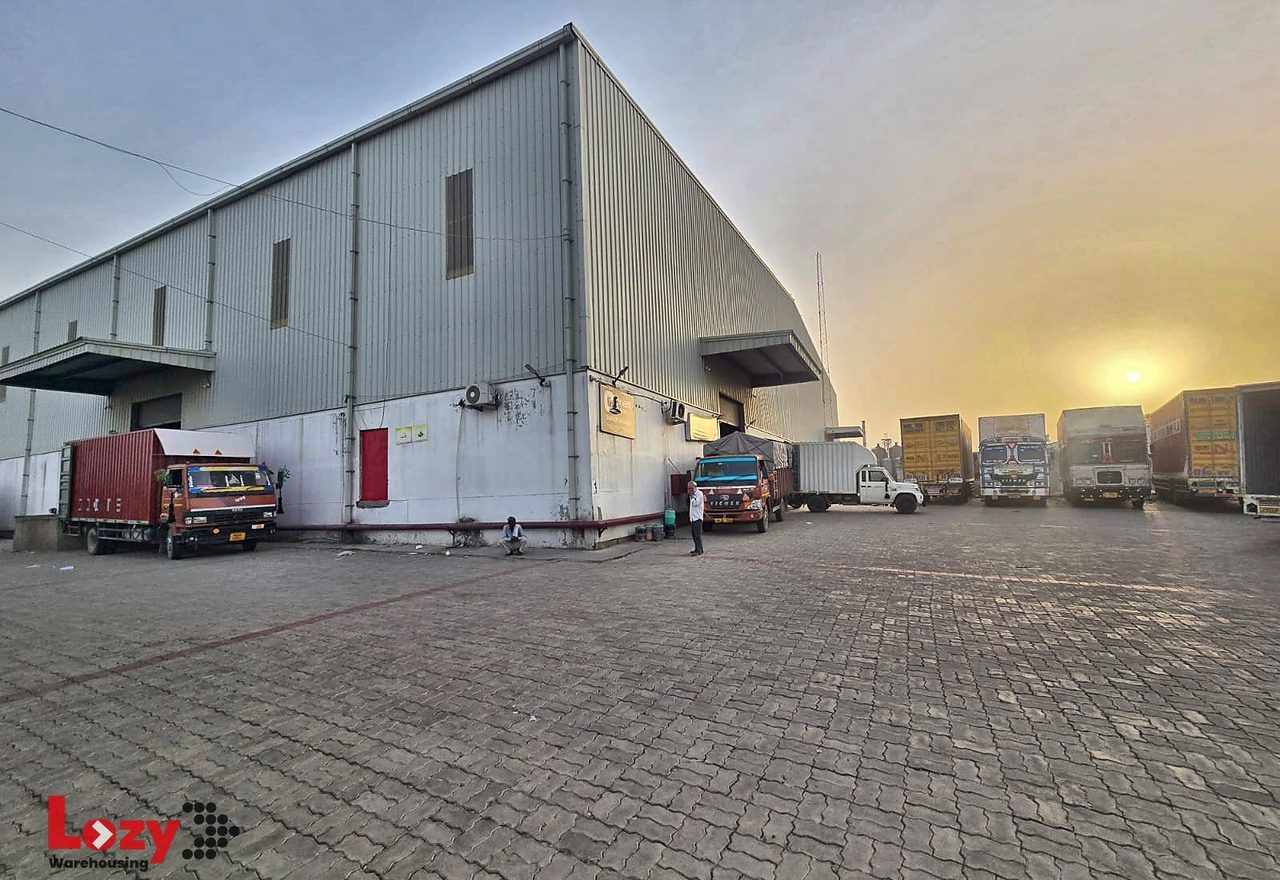
From the blog
03 reads
Keep exploring
Industries that
move like yours.
Every industry page runs the same eight-stop walk — these pages tell it again with their own cargo, their own records and their own rules.
 01
01
 02
02
 03
03
11 · Map the season
The collection lands soon.
Have it racked and tagged.
Share the range sheet and launch dates.
Speak to a human · +91 9354712345
12 · Enquiry
Tell us what
you need to store.
Availability, plan and rates — one short form, a written reply.
- Tell us the industry, product and city — one short form or call.
- Get availability and rates in writing, itemised.
- Move in with documentation, access and records done before stock arrives.
Contact our experts
One form, one reply — Apparel & Fashion availability and rates.