Why E-commerce Businesses Need Reliable Warehouse Storage
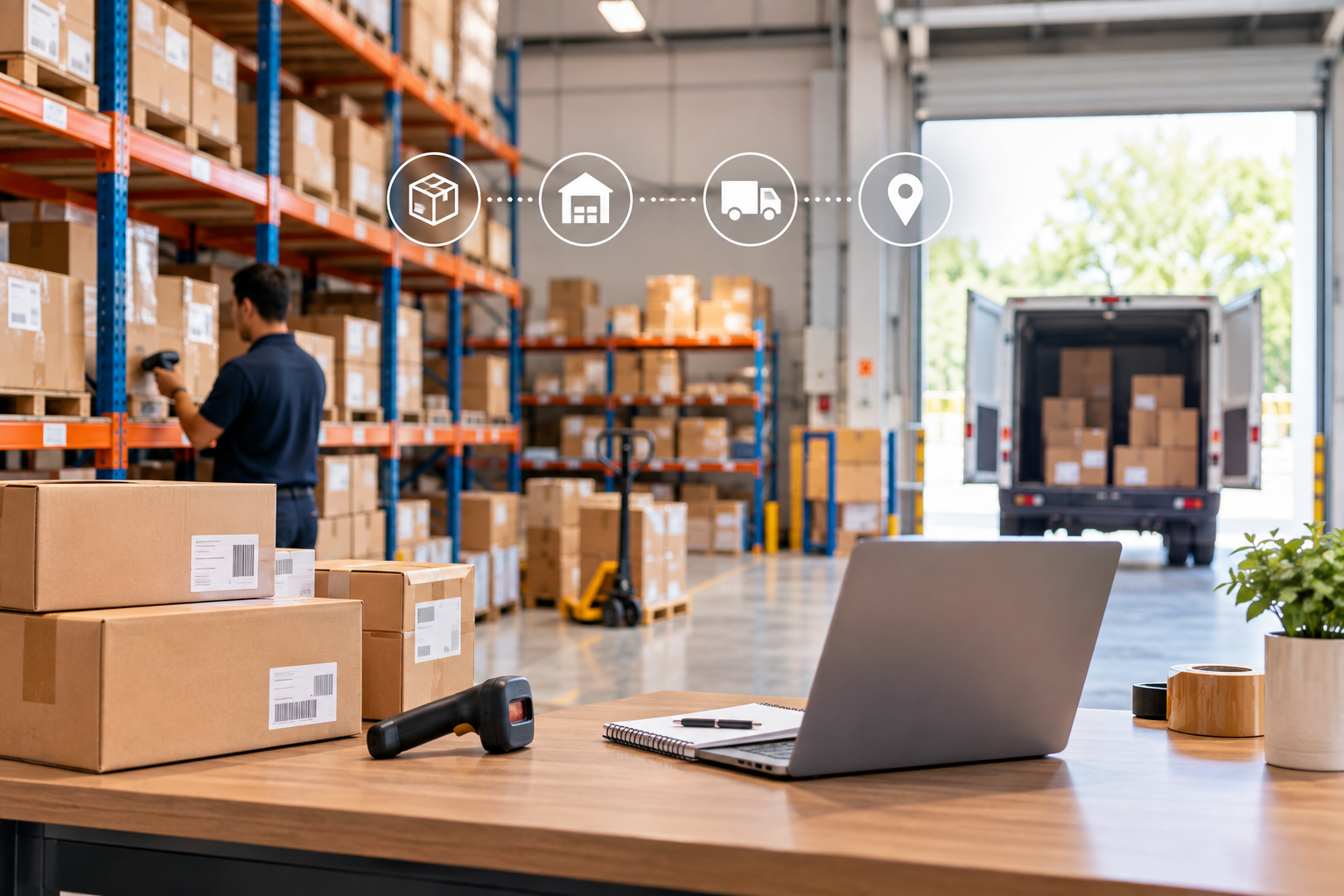
For an e-commerce business, reliable warehouse for ecommerce business solutions are essential for keeping inventory organized, orders moving efficiently, and customers receiving products on time. As an online business grows, managing stock from a home, office, shop, or poorly organized godown can quickly become inefficient. A reliable warehouse storage setup provides the space and structure needed to receive, organize, store, pick, pack, and dispatch inventory while giving businesses greater flexibility as order volumes and product ranges change.
What Is E-commerce Warehousing?
E-commerce warehousing is the organized storage and handling of products before they are sold and delivered to customers. Unlike basic storage, e-commerce warehousing may involve receiving inventory, putting products away, maintaining stock records, picking items for orders, packing shipments, and coordinating dispatches.
Businesses that need a dedicated ecommerce warehousing solution can use purpose-built storage instead of managing inventory in unsuitable spaces.
Why Reliable Warehouse Storage Matters
1. Better Inventory Control
Accurate inventory starts with organized storage. A reliable warehouse gives businesses defined locations for products, making it easier to know what is in stock, what needs replenishment, and which products are moving quickly. This becomes especially important when an online store carries many SKUs, product variants, or seasonal items.
Learn more about inventory warehousing.
2. Faster Order Fulfillment
Warehouse organization directly affects how quickly an order can move from stock to dispatch. When products are stored systematically, teams can locate inventory faster, reduce unnecessary movement, and prepare orders more efficiently. This supports a smoother customer experience as order volumes increase.
Learn more about e-commerce warehousing.
3. Flexible Capacity as Sales Grow
E-commerce demand can change quickly. A business may need more space during a product launch, festive season, promotional campaign, or sudden growth period. Flexible storage allows the business to increase or reduce warehouse capacity without committing to a large permanent facility.
Learn more about on-demand warehouse space.
4. Easier Seasonal Inventory Management
Seasonal products create a recurring storage challenge. Instead of overcrowding a retail location or office with extra stock, businesses can use dedicated space for inventory that is needed only for part of the year.
Learn more about seasonal warehousing.
5. Less Operational Clutter
Keeping commercial inventory in an office, shop, home, or other unsuitable location can reduce usable working space. A dedicated storage warehouse separates inventory from everyday operations and creates a more structured environment for stock management.
Learn more about business warehousing.
6. More Predictable Storage Planning
Reliable warehouse storage makes it easier to plan inventory costs and capacity. Businesses can evaluate current stock levels, expected growth, product dimensions, turnover rate, and storage duration before selecting an appropriate solution.
What Should an E-commerce Business Look for in a Warehouse?
Choosing a warehouse is not only about finding available square footage. The right solution should match the business's inventory profile, order volume, location requirements, storage duration, and growth plans.
Suitable space for the type and volume of inventory
Organized inventory storage and handling
Convenient access for receiving and dispatch
Flexible storage options when demand changes
Clear pricing and storage terms
Location that supports delivery and distribution needs
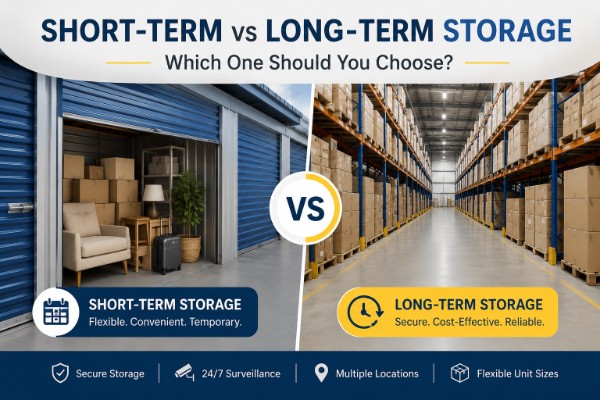
Options for short-term, seasonal, on-demand, or long-term requirements
Warehouse for Rent vs. Flexible Warehousing
A traditional warehouse for rent can make sense for businesses that need a dedicated facility and can commit to a longer lease. However, smaller or fast-growing e-commerce businesses may not want to pay for unused space throughout the year.
For businesses looking for warehouse space for rent on a monthly basis, flexible storage can provide a more practical way to match capacity with actual inventory needs.
On-demand warehousing can be useful when storage requirements fluctuate. It can help businesses avoid locking capital into space that is not consistently required.
Warehouse Space for Small E-commerce Businesses
Small online businesses often start with limited inventory, but storage requirements can increase quickly as product ranges expand. A dedicated warehouse can become useful when stock begins occupying office space, order preparation becomes difficult, or inventory tracking becomes inconsistent.
Businesses that need storage without immediately committing to a large facility can explore short-term warehouse space for a few months.
Warehouse Location: Delhi NCR and Other Markets
Warehouse location can influence transportation time, delivery coverage, labor availability, and overall logistics efficiency. For businesses serving Delhi NCR, evaluating warehouse options in Delhi, Gurgaon, Noida, and Haryana can help identify a location that fits their distribution model.
For Delhi-based operations, explore warehouse locations in New Delhi.
Businesses considering the wider region can also review warehouse locations in Haryana.
When Should an E-commerce Business Consider a Warehouse?
There is no single order-volume threshold that determines when an e-commerce business needs a warehouse. The decision usually becomes relevant when one or more of the following problems appear:
Inventory is taking up valuable office, retail, or home space.
Products are difficult to locate or stock records are becoming unreliable.
Order volumes are increasing and fulfillment is taking too much time.
Seasonal demand creates temporary storage requirements.
The business needs additional stock before a major promotion or product launch.
Existing storage cannot support expected growth.
The business wants to separate inventory storage from daily operations.
How to Choose the Right E-commerce Warehouse Storage Solution
Start by calculating the current and expected storage requirement rather than selecting space based only on today's inventory. Consider product dimensions, number of SKUs, average stock levels, peak inventory, order frequency, and expected growth.
If your requirement changes during the year, compare on-demand warehousing options with fixed warehouse rental before making a long-term commitment.
For businesses planning a longer arrangement, long-term warehousing may be more suitable when inventory levels and space requirements are relatively predictable.
E-commerce Warehouse Storage Checklist
Define the type and quantity of inventory to be stored.
Estimate average and peak inventory levels.
Measure product dimensions and storage requirements.
Decide whether you need short-term, seasonal, on-demand, or long-term storage.
Compare warehouse locations based on customer and supplier coverage.
Check the available warehouse services and operational support.
Review pricing, minimum commitments, access terms, and flexibility.
Confirm that the selected warehouse can support future growth.
Conclusion
Reliable warehouse storage can give e-commerce businesses a more organized way to manage inventory, support faster fulfillment, handle seasonal demand, and scale without creating unnecessary operational clutter. The right solution depends on the business's products, inventory levels, location, storage duration, and growth plans.
Businesses evaluating storage options can explore warehouse for rent and flexible warehousing solutions based on their current requirements.
Recommended Related Blogs
Storage for Amazon & Flipkart Sellers: Fulfilment Guide
How to Choose the Right Warehouse Storage Solution for Your Business
On-Demand Warehousing in India: How It Works & Pricing
Need warehousing or storage in India?
Request a free, tailored quote in under 2 minutes — free pickup, no lock-in.