
Electrical goods & hardware warehousing
Dense coils, small parts. Kept dry, counted, ready.
Wire coils, switchgear and fittings move through Lozy under one discipline — heavy loads stored dry, smalls binned and counted, dispatch timed to counter runs and site releases.
- Warehouses
- 34
- Locations live
- 25
- Collection centres
- 74
- States & UTs
- 19
01 · Every coil counted
Nothing enters loose,
everything logged by lot.
Wire coils and cable drums are counted against lot slips at the gate, switchgear cartons logged by quantity, and fasteners binned so a counter run never meets a bare shelf.
One wire coil, as the record sees it
- Lot
- EL-2410-214
- Location
- BAY-C12
- Stock
- 36 coils
- Status
- Counter-ready
Sample record, shown only to illustrate how a coil lot is logged — not a live Lozy figure.
This trade runs on two clocks — the counter restocks weekly while a project releases the day its site calls. Lot records keep both flows separate: counter stock pulls clean, project coils stay untouched, and nothing hides under dust until count day.
02 · Coil to counter
From the coil bay,
to shelf or site.
01 / 08
A wire coil's route from trailer to counter, drawn as a sample.
-
01
Inbound
Drum loads and coil pallets come off the trailers, bracing checked at the tailgate as counts build.
-
02
Receive
Lot codes read off drums and cartons, quantities tallied to the slip before a bay is assigned.
-
03
Store
Drum weight stays at floor level on dry bays; fittings and boxed stock ride the rack levels above.
-
04
Pick
Counter orders come out of binned bays line by line; project pulls stay marked and untouched.
-
05
Pack
Split cartons taped and weighed, loose fasteners counted back into bins before the lid closes.
-
06
Label
Lot marks and destination stickers verified on every carton before it joins a route.
-
07
Dispatch
Counter runs and project loads leave on booked slots, each docket matching the stock it carries.
-
08
Delivery
Drum or carton, every line reaches the counter or the site store that called for it.
03 · Dealers and sites
One count serves
counters and sites.
Dealer orders, counter top-ups, contractor indents and site releases draw on one counted pool — so the pick face always knows what is already promised.
- Dealers
- Trade counters
- Electrical contractors
- Panel builders
- Project stores
- 01 Site call-off
- 02 Lozy warehouse
- 03 Pick
- 04 Pack
- 05 Ship
04 · Coils to cartons
What stays dry
in a Lozy bay.
An electrical trade warehouse holds everything from a single coil of wire to a full switchboard consignment. A typical storage plan covers fast-selling lines, slow-moving spares and the packing material that keeps counter and project dispatch running every week, all in one place:
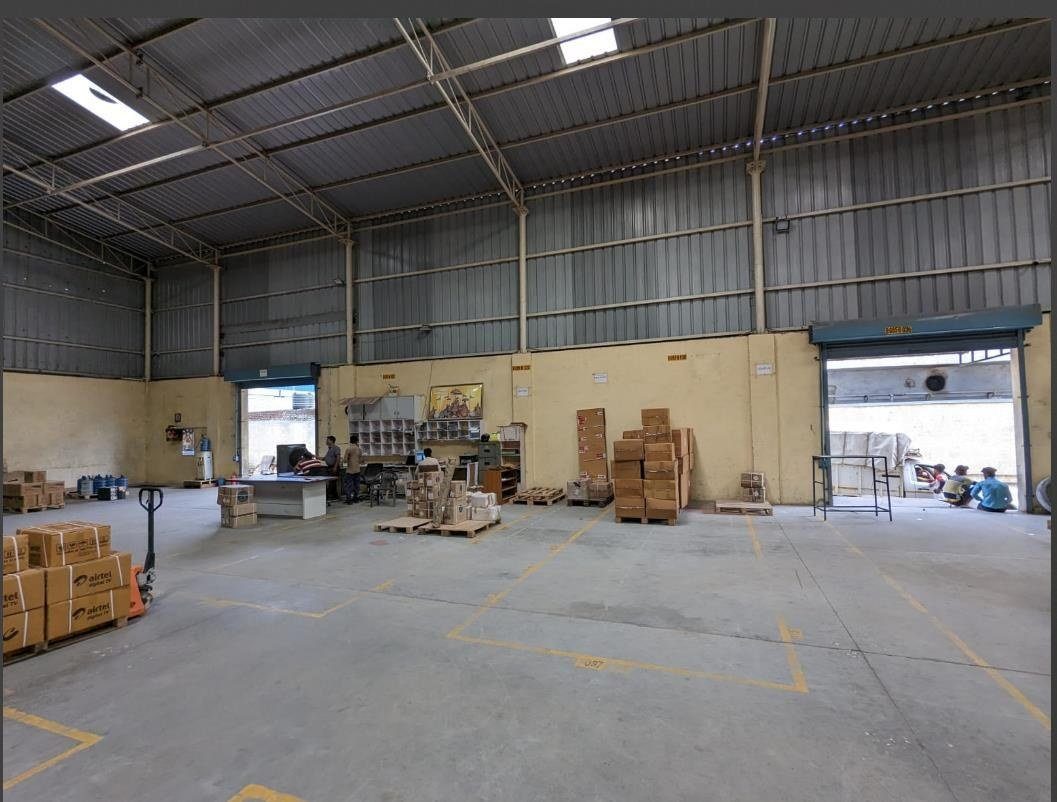
- 01Wire coils and cable drums
- 02Switchgear panels and enclosures
- 03MCBs, breakers and distribution boards
- 04Switches, sockets and modular plates
- 05Light fittings and LED luminaires
- 06Conduit pipes and casing lengths
- 07Fans, regulators and motors
- 08Fasteners, nuts, bolts and screws
- 09Hand tools and power tools
- 10Counter-ready retail packaging
- 11Project consignments awaiting site dates
- 12Packing material and empty reels
Some categories, including hazardous or flammable items, need prior approval before storage. Share your product list and the handling team will confirm what applies to your consignment.
Need space for Electrical & Hardware stock?
Tell us what you store and where it needs to reach — the team confirms availability, the plan and the rates in writing.
05 · Damp and dense
Every industry carries its own pressure — these are the ones the space, the handling and the paperwork are planned around.
-
01
Coils and drums are awkward
Wire coils and cable drums are dense, they roll if unsupported, and they cannot simply be stacked with cartons. Stored badly, they dent packaging, block aisles and cost more to shift than the goods are worth.
-
02
Small parts go missing
Fasteners, switches, socket plates and connectors leave the counter in small quantities. Without bins, labels and an organised pick face, shortages surface only at the annual count, long after the trail has gone cold.
-
03
Two channels, one godown
A dealer sells packets at the counter while a contractor buys bulk for a site. Both pull from the same stock, and a godown organised for one flow slows the other, especially when a project order arrives mid-week.
-
04
Project dates keep moving
Site readiness decides when material can be received, and dates slip. Stock bought early sits for weeks, then everything needs dispatching at once, which is exactly where small godowns with narrow doors struggle.
-
05
Protective packing takes room
Cartons, reels and blister packs protect goods for the retail shelf but add volume at every handling step. Storage that squeezes items into odd gaps saves space today and returns damaged, unsellable stock on dispatch day.
-
06
Damp floors damage stock
Monsoon damp, floors that hold water and walls that stay wet are hard on electrical items. Terminals corrode, cartons soften and finished goods age quickly when storage is a shed floor rather than an organised bay.
06 · Dry bays and bins
Built for coils,
phased for sites.
5 operations, one contract. Pick one to see what it covers.
07 · Getting started
From enquiry
to moving in.
Onboarding starts with a stock walk-through covering coil and drum sizes, carton counts and how often consignments move. Electrical traders usually move their first pallet in within days, with dispatch aligned to project dates from the first week.
-
01
Enquire
Share your product type, volumes and the city you need. The team confirms availability and shares rates in writing.
-
02
Site visit and requirement planning
Visit the shortlisted facility or plan remotely — space, access and handling are matched to your operation.
-
03
Onboarding
Documentation, check-in records and access setup are completed before your stock arrives, so day one runs clean.
-
04
Storage, fulfilment and dispatch
Stock is stored, managed and dispatched per your instructions, with monthly GST-invoiced billing.
08 · Why traders renew
-
01
77+ Warehouses across our network keep trade and project stock closer to the markets it serves, from Delhi NCR outward.
-
02
Storage and handling planned around coils, drums, cartons and small parts, rather than a one-size-fits-all godown storage routine.
-
03
Dispatch matched to trade counter replenishment and project site dates, with phased release when a contractor needs it.
-
04
Monthly billing with GST invoices and no long lock-in, so stocking seasons and project cycles never dictate your premises costs.
09 · Coverage
Store here.
Deliver everywhere.
Warehousing sits where the orders are. Lozy runs 74 collection centres across 19 states and union territories — store in the right city and the last mile gets shorter.
Boundary as India officially depicts it
- 01 Warehouse
- 02 Fulfilment
- 03 Distribution
- 04 Customer
Every lane on the map is a real movement: stock received at a Lozy warehouse or collection centre, picked and packed there, then distributed to the customer — or moved between sites to be closer to demand.
Guwahati · Jorhat · Bengaluru · Patna · Coimbatore · Madurai · Puzhal & Ambattur · Red Hills (Chennai) · Sholavaram · Ahmedabad · Ankleshwar · Vapi · Ambala · Dharuhera · Faridabad · Garhi Harsaru · Jamalpur · Sonipat · Hyderabad · Jammu · Srinagar · Ranchi · Cochin · Indore · Aurangabad · Bhiwandi · Nagpur · Nashik · Pune · Alipur · Bamnoli · Dhulsiras · Bhubaneswar · Cuttack · Chandigarh · Ludhiana · Zirakpur · Jaipur · Ballia · Ghaziabad · Lucknow · Noida · Haridwar · Roorkee · Rudrapur · Kolkata · Siliguri
10 · What to check first
Before you
start storing.
The questions Electrical & Hardware teams ask before taking warehouse space — answered in plain words.
What does electrical goods warehousing with Lozy involve?
Lozy provides monitored warehouse space for switchgear, wires, fittings, fasteners and tools, with racked bays and floor areas suited to dense electrical goods warehousing. Stock is documented at check-in and dispatched against trade counter and project schedules, billed monthly across Delhi NCR and our India network.
What is electrical goods warehousing?
Electrical goods warehousing is the storage of switchgear, wires and cables, fittings, fixtures, fasteners and tools in an organised facility. Dense items sit on suitable rack levels or floor areas, stock is checked in and labelled, and consignments leave in line with trade counter, dealer and project demand.
Key points
- Racked bays and floor areas planned around coils, drums and heavy cartons
- Separate flows for retail-ready cartons and bulk project consignments stored together
- Dispatch scheduled around trade counter needs and project site dates
- Check-in records and labels so fasteners and fittings do not vanish
- Monthly billing that flexes with stocking seasons and project cycles
How project schedules shape electrical goods warehousing
Electrical material for a project rarely arrives on a single day. Site teams receive in phases, so switchgear, cables and fittings often need to sit in storage until each delivery window opens. Warehousing for this trade works best when the full consignment is checked in together, listed clearly and released against a dispatch plan the contractor can update as work progresses. Storing stock this way keeps site cabins and half-built floors from becoming impromptu godowns, where material is exposed, unaccounted for and far easier to damage.
Storing coils, drums and fittings without damage
Coils and drums store best standing on firm, dry floors, kept from rolling and away from walkway edges where trolleys pass. Cartons of switches and fittings belong on rack levels where they stay square and clean, while fasteners and small parts work better in bins than loose in cartons. The aim is simple: stock should reach the counter or the site in the same condition it left the factory, with packaging intact and labels still readable.
What drives the cost of electrical goods storage
Billing is monthly, on the space your stock occupies, with GST invoices for registered businesses. The rate depends on your footprint, the location, the term you commit to and the handling involved, and it is quoted in writing after a short requirement check. Weigh any quote against the true cost of basement storage: dented cartons, missing fasteners and staff hours spent hunting for one specific coil all belong in the same calculation.
How to choose a warehouse for Electrical & Hardware
Traders, dealers and project suppliers judge a warehouse on very different days. These checks cover what matters when switchgear, cables and fittings move in and out all year.
Floor capacity for dense loads
Cable drums and switchgear cabinets concentrate weight in small areas. Ask what the floor and racking can actually take before booking, and how heavy items will be positioned so they stay stable and reachable.
Damp-proof storage areas
Electrical items age badly in sheds that hold water or walls that stay wet through the monsoon. Raised storage, closed cartons and covered areas protect both the stock and its retail packaging through the season.
A pick face for small parts
Fasteners, switches and connectors need bins, labels and a defined pick face. A warehouse that offers only floor space will slow your counter team down from the first week of operations.
Dispatch that follows project dates
Confirm how dispatches are scheduled, how release lists are handled and how quickly a project consignment can be readied when a site suddenly gives the green light, because sites rarely confirm early.
Space that scales with tenders
A won tender can double your stock for a season. A monthly plan with room to expand and contract beats holding a larger godown for years just to cover two busy quarters, especially for dealers.
Access for your own team
Traders send staff to check stock, repack fittings or pull items for a counter run. Visit hours, receiving rules and withdrawal lead times should all be clear before you commit to a facility.
Security for sellable stock
Small, high-value items walk if access is casual. Controlled access and CCTV-monitored storage areas, plus documented check-in and check-out, keep count differences rare, traceable and easy to settle during audits.
Frequently asked questions
What kinds of electrical goods can be stored with Lozy?
How are wire coils and cable drums stored safely?
Can one warehouse hold both counter stock and project material?
How much does it cost to store electrical goods with Lozy?
Can dispatch be timed to project delivery schedules?
How is stock protected inside the facility?
Do you only take full pallets, or can small fittings be stored?
What paperwork do I get for stock held with Lozy?
Can stock be released in phases as a project progresses?
Is space available near my city?
Explore the services
06 links
From the blog
03 reads
Locations
04 placesKeep exploring
Industries that
move like yours.
Every industry page runs the same eight-stop walk — these pages tell it again with their own cargo, their own records and their own rules.
 01
01
 02
02
 03
03
11 · Book a coil bay
The counter sells fast.
Coils should not age in the bay.
Send your coil list and counter schedule.
Speak to a human · +91 9354712345
12 · Enquiry
Tell us what
you need to store.
Availability, plan and rates — one short form, a written reply.
- Tell us the industry, product and city — one short form or call.
- Get availability and rates in writing, itemised.
- Move in with documentation, access and records done before stock arrives.
Contact our experts
One form, one reply — Electrical & Hardware availability and rates.