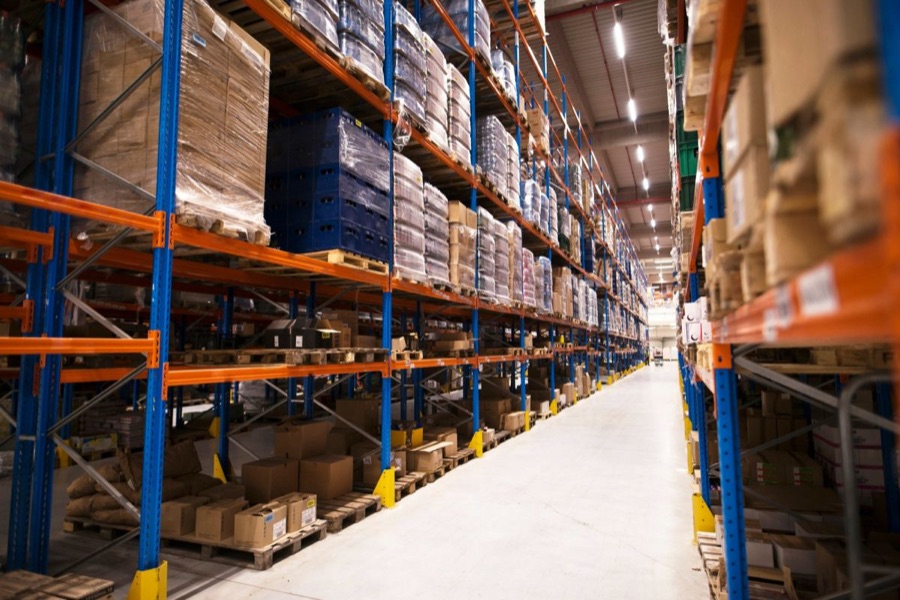
Customs Bonded Warehouse in Delhi NCR Import now. Pay duty when you’re ready.
Store imported cargo in a customs-licensed bonded warehouse. Import duty and IGST wait until you clear the goods. Clear in batches as orders come in, or re-export without paying Indian import duty.
- Into-bond
- Stored
- Duty deferred
- Ex-bond
- Delivered


What is a customs bonded warehouse?
Your cargo lands. Your cash stays free.
A customs bonded warehouse is a customs-licensed facility where imported goods are stored without paying import duty on arrival. Duty and IGST are paid only when you clear the goods for use or sale in India, and no import duty is paid if they’re re-exported. In India, these warehouses are licensed under the Customs Act, 1962.
One Lozy team handles into-bond filing, storage, ex-bond clearance and delivery. You get one number to call from port to shelf.
About LozyLozy in numbers
- Warehouse locations across our network
- 75
- Sq ft under management
- 10lakh
Key facts about bonded storage
- Duty later
- Duty and IGST are paid at ex-bond clearance, not when the cargo lands.
- The 90-day mark
- Interest on the deferred duty applies once goods pass 90 days in bond.
- Up to a year
- Most goods can stay in bond for up to one year, and the Commissioner can extend that.
- Clear in parts
- File one ex-bond bill of entry per lot. The rest stays in bond.
- Re-export
- Goods can leave from bond on a shipping bill with no Indian import duty.
Based on the warehousing provisions of the Customs Act, 1962. Rules and rates can change, so confirm current limits before you plan.
How it works
How a bonded warehouse works
Follow one container from the port to your customer. Four steps, one team.
-
Chapter 01
Arrival
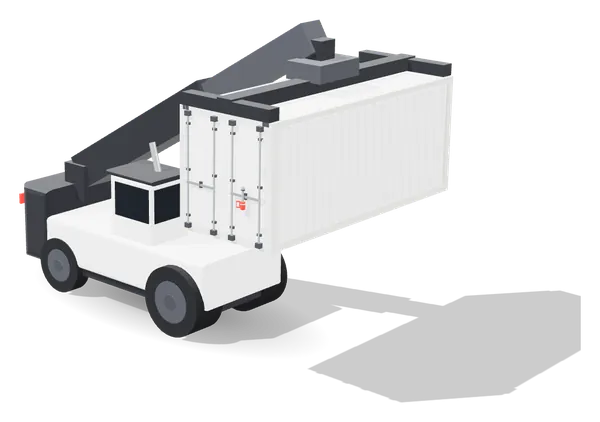
A reach stacker lifts your container at an ICD in Delhi NCR. We file the into-bond bill of entry, so the cargo moves into bond instead of paying duty at the port.
Into-bond bill of entry filed
-
Chapter 02
Transit
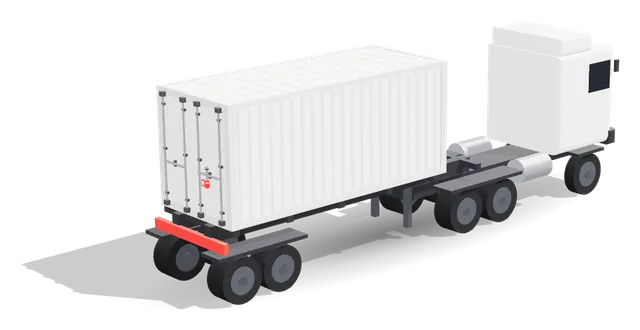
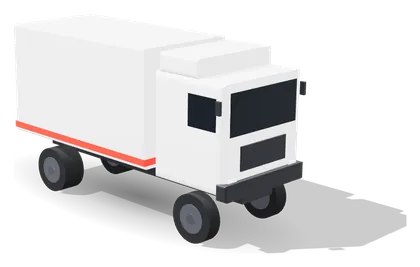
A truck carries the container to our facility in Delhi NCR under customs seal. The goods stay under customs control the whole way.
Moves under bond
-
Chapter 03
In bond
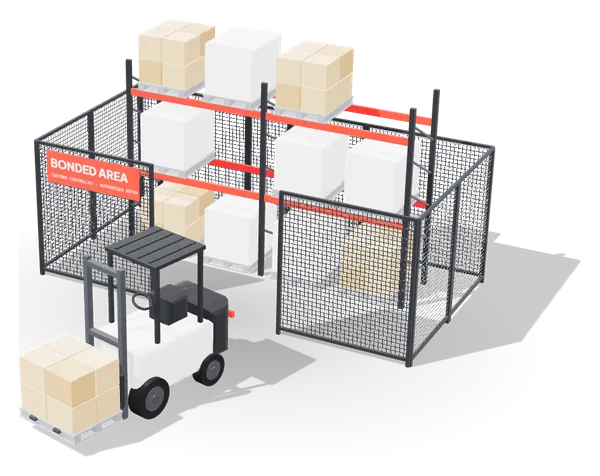
We unload the pallets into a customs-controlled warehouse zone and record every lot. Your duty stays deferred while the goods sit here.
Duty deferred, interest-free for the first 90 days
-
Chapter 04
Release
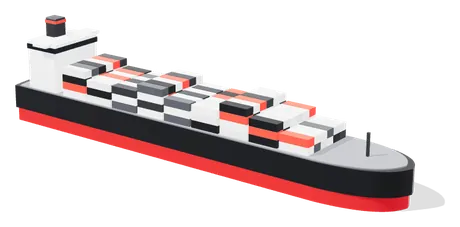
When you need stock, the path splits. File an ex-bond bill of entry, pay duty only on what you clear, and we deliver it. Or file a shipping bill and re-export it with no import duty.
- Ex-bond bill of entry
- Duty paid on what you clear
- Delivered
- Shipping bill
- Re-exported, no import duty


What we handle
Everything bonded cargo needs, handled in one place.
Storage is only part of the job. We also run the filings, part clearances and moves in and out of bond, so one team tracks your cargo start to finish.
Bonded storage
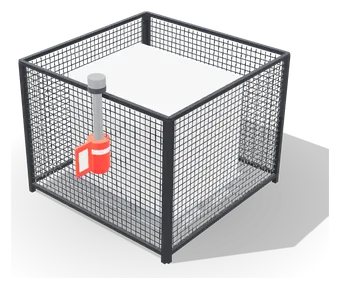
Customs-controlled warehouse space for your pallets and cartons, with every lot on record.

Into-bond and ex-bond filing
We file the bills of entry that move cargo into bond and clear it out again.

Part clearances
Clear one lot at a time. Pay duty on what you take out; the rest stays in bond.
Re-export from bond
Ship goods abroad on a shipping bill, with no Indian import duty to pay.

Bond-to-bond transfers
Move bonded cargo to another bonded warehouse without clearing it first.

Inspection and sampling
Inspect, count or sample goods in bond, with customs permission, before you clear them.


Control at every checkpoint.
Bonded cargo runs on dates and documents. We keep both in view.

- 01
Dates in view
Every lot is logged with its into-bond date, so the 90-day interest mark and the end of the bond period are easy to plan around.
- 02
Lot-wise records
Bonded stock is recorded lot by lot, so you can see what’s in bond, what’s been cleared and what’s left.
- 03
Secured bonded zone
Bonded cargo sits in a customs-controlled warehouse zone, kept apart from duty-paid stock.


Customs work in one place
We handle into-bond and ex-bond filings and the customs clearance around them, so you don’t chase a separate agent.
Every charge in writing
Your quote lists storage, handling and documentation charges before your cargo arrives.
Quotes sized to your cargo
Tell us your pallets or volume and the days you expect to stay in bond, and we quote for that.
Close to Delhi NCR gateways
We move bonded cargo from the Delhi NCR ICDs and IGI Air Cargo into bond, under customs seal.
One team, one number
One Lozy contact tracks your cargo from port to shelf and picks up when you call.
Close to where your cargo lands.
A custom bonded warehouse only helps if it sits near your gateway. We move bonded cargo from these Delhi NCR ICDs and IGI Air Cargo. Pick your ICD for local details.
Haryana (NCR)
Uttar Pradesh (NCR)
Air cargo
Bonded warehousing, explained.


Bonded vs non-bonded.
The short version: a bonded warehouse lets duty wait. A regular warehouse holds goods that have already cleared customs.
| What changes | Customs bonded warehouse | Non-bonded warehouse |
|---|---|---|
| When duty is paid | At ex-bond clearance, only on what you clear | Before the goods come in |
| What it holds | Imported goods with duty and IGST unpaid | Domestic or duty-paid goods |
| Customs control | Yes, from into-bond to ex-bond filing | No |
| Re-export | From bond, with no Indian import duty | Duty has already been paid |
| Best for | Deferring duty, clearing in batches, keeping re-export open | Stock already cleared for sale in India |
Customs bonded warehouse FAQs.
Still have questions? Talk to our bonded team
What is a customs bonded warehouse?
A customs bonded warehouse is a customs-licensed facility where imported goods are stored without paying import duty on arrival. Duty and IGST are paid only when you clear the goods for use or sale in India, and no import duty is due on goods you re-export.
What’s the difference between a bonded and a non-bonded warehouse?
A non-bonded warehouse stores domestic or duty-paid goods, while a bonded warehouse holds imported goods under customs control, with duty and IGST unpaid until clearance. Choose bonded storage when you want to delay duty, clear stock in batches or keep the option to re-export.
Who can use a public bonded warehouse?
Any importer can deposit dutiable goods in a public bonded warehouse. A private bonded warehouse is licensed to one company for its own imports. A public bonded warehouse suits SMEs, traders and D2C brands that need bonded space without applying for their own licence or running their own facility.
How long can goods stay in a bonded warehouse?
Most goods can stay up to one year from the date customs permits warehousing, and the Commissioner can extend that. Duty stays deferred throughout, but interest on the duty is charged once goods pass 90 days in bond. Plan clearances around both dates to keep interest low.
When do I pay duty and IGST, and can I clear goods in parts?
You pay at ex-bond clearance, only on the quantity you take out, at the duty rate in force on the day you file the ex-bond bill of entry. So yes, you can clear in parts: file one bill per lot, and the rest stays in bond.
Can I re-export goods from a bonded warehouse without paying duty?
Yes. File a shipping bill and the goods leave India from the warehouse without import duty. Rent and other charges still apply. It suits stock sold to overseas buyers, goods that don’t sell in India, or cargo you hold here for another market.
What documents do I need to store goods in bond?
You typically need an IEC, commercial invoice, packing list, bill of lading or airway bill, the into-bond bill of entry and a warehousing bond, plus any product-specific licences. Clearing later needs an ex-bond bill of entry, and re-exporting needs a shipping bill. We send a checklist for your cargo before it lands.
How much does bonded warehouse storage cost?
Bonded storage rates depend on your cargo, the space it needs and how long it stays in bond. It’s usually charged per pallet or per sq ft per month, plus handling and documentation fees. Share your cargo type, volume and expected days in bond, and we’ll send a written quote that lists every charge.
What is a warehousing bond?
A warehousing bond is a bond the importer signs with customs when goods are warehoused. It commits you to pay the duty, interest and any penalties due on those goods, and to follow the warehousing rules. Customs cancels it once every lot has been cleared, re-exported or otherwise accounted for.
Can I inspect or take samples of goods in bond?
Yes, with customs permission. While goods are in bond, the owner can inspect them, take samples, and sort or repack them for sale or export. We arrange access in the bonded zone and handle the request with customs, so the goods stay under customs control throughout.
Ready to bond your next shipment?
Tell us what’s arriving and when. We’ll come back with space, rates and a paperwork checklist.