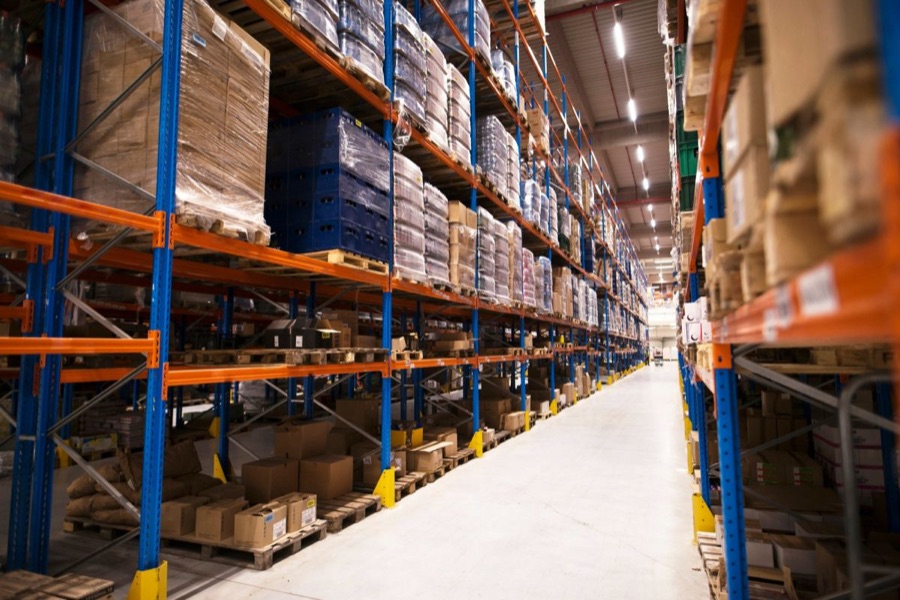
Spare parts and aftermarket warehousing
Behind every repair. A part that’s findable.
Service stock, aftermarket lines and workshop consumables in labelled bins — checked at picking and dispatched by route, so dealers and workshops find the right part on the first call.
- Warehouses
- 34
- Locations live
- 25
- Collection centres
- 74
- States & UTs
- 19
01 · Behind the label
No number floats
without a bin.
Parts land bagged, boxed and loose — every line is opened against its part number, checked for count and condition, and given a bin of its own among the live range.
What sits behind one bin label
- Part No
- BP-3307-2
- Movement
- Fast mover
- Bin
- D-21-06
- Status
- Live stock
Sample record, shown to illustrate how the range is filed and found — not a live Lozy figure.
Dozens of near-identical numbers share shelf space here. Fixed bin addresses and a written count, taken at arrival, mean a pick stops being a search — and a lookalike number stops costing a workshop a second visit.
02 · Number to counter
One part’s path
from bin to counter.
01 / 08
A parts consignment moving from supplier carton to dealer counter, drawn as a sample.
-
01
Inbound
Supplier vehicles bring sealed boxes, open crates and loose smalls to the dock.
-
02
Receive
Part numbers matched line by line; superseded codes flagged before anything joins the shelf.
-
03
Store
Quick-turn lines live within arm’s reach; slow movers settle deeper, still counted.
-
04
Pick
Every pick follows the shelf sequence; no step is walked twice.
-
05
Pack
Each box is built against its order, numbers checked again before the tape goes on.
-
06
Label
Manifest read back as labels go on — route, dealer and part number all confirmed.
-
07
Dispatch
Each route’s drops load in reverse order, so the first stop stays on top.
-
08
Delivery
Runs end where the repair happens — workshop bench or parts counter, notes signed.
03 · Counters and benches
Counter calls,
workshop lists — answered.
Dealer stock orders, workshop repair lists and trade counter calls all pull from the same binned range — one count for every counter. Nobody quotes a part the store cannot find.
- Dealer counters
- Independent garages
- Distributor indents
- Retail parts shops
- Service networks
- 01 Dealer stock order
- 02 Lozy warehouse
- 03 Pick
- 04 Pack
- 05 Ship
04 · Range on racks
Filters to gaskets,
on labelled shelves.
A parts store carries the range that keeps vehicles, machines and appliances working: daily consumables, slow repair components and the accessory lines that move with them. Stock is kept in labelled bins, shelves and carton locations, with fast movers placed closest to the picking area.
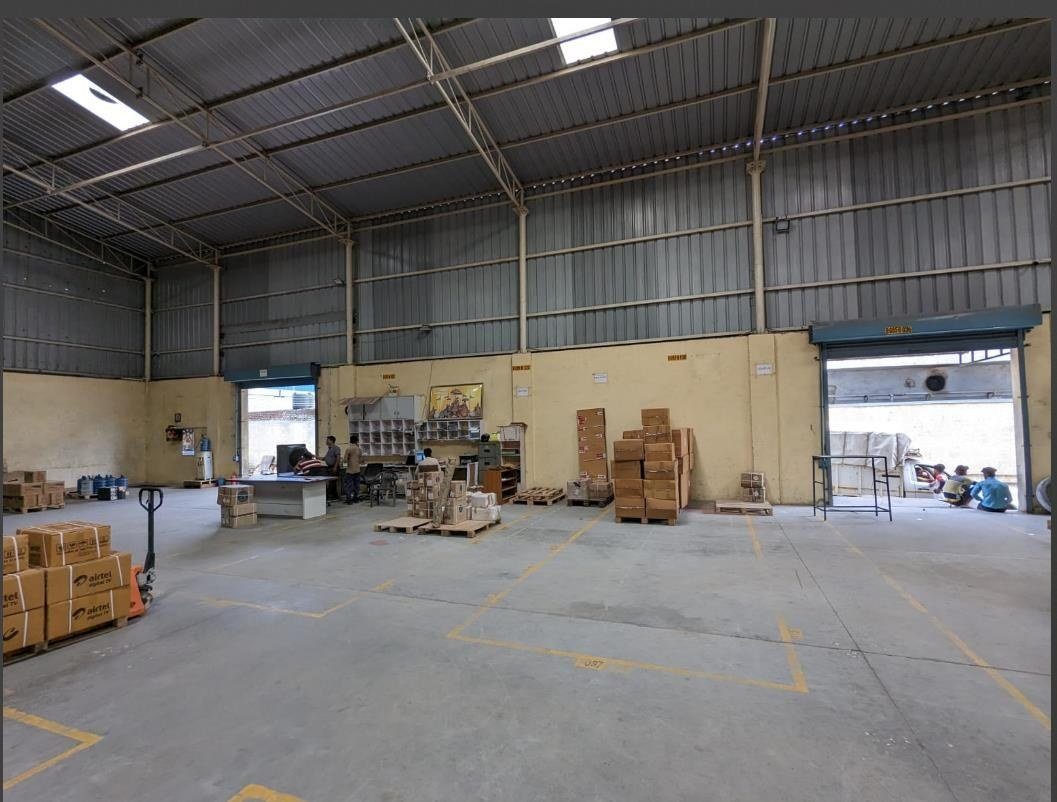
- 01Filters, brake pads and belts
- 02Bearings, seals and gaskets
- 03Electricals, sensors and switches
- 04Body and trim components
- 05Service kits and consumables
- 06Hand tools and workshop supplies
- 07Lubricant and fluid packs
- 08Small parts in bin trays
- 09Dealer returns awaiting inspection
- 10Packaging and dispatch material
Aerosol sprays and any items classified as hazardous need prior approval before storage. Share your part list and the team will confirm what applies.
Need space for Spare Parts & Aftermarket stock?
Tell us what you store and where it needs to reach — the team confirms availability, the plan and the rates in writing.
05 · Where picks go wrong
Every industry carries its own pressure — these are the ones the space, the handling and the paperwork are planned around.
-
01
SKU explosion across models
Every model year, facelift and variant adds part numbers, and the same component can carry different codes across generations. A warehouse that cannot separate and label them turns simple picks into long searches and quiet mistakes.
-
02
Fast movers hidden by slow
Brake pads and filters turn over weekly while a gearbox casing may sit for months. Store them the same way and slow lines crowd the fast ones, so every urgent order starts with moving something out of the way.
-
03
Wrong part dispatched
Sending the wrong part to a workshop costs a second visit, a return trip and customer goodwill. Order accuracy has to be built into picking and packing, not left to the memory of whoever packs the box.
-
04
Turnaround pressure
A workshop with a vehicle on the ramp wants the part today, not next week. Storage far from the service network, or slow order processing, quietly pushes garages to buy from whoever is fastest.
-
05
Dead and obsolete stock
Superseded part numbers, model exits and returned items pile up at the back of every parts store. Without a clear view of ageing stock, working capital sits in items that may never sell again.
-
06
Unlabelled returns
Dealers return wrong-fit parts, warranty items and packaging that needs checking before it goes back to live stock. Mixed returns in an unmarked corner create count errors and delays for everyone downstream.
06 · Beyond the racks
What keeps a pick
short and right.
5 operations, one contract. Pick one to see what it covers.
07 · Getting started
From enquiry
to moving in.
Parts businesses usually start with a stock list and a service promise. The team reviews your part range, how fast the top lines move and where your dealers sit, then sizes bins, shelves and dispatch space around that flow.
-
01
Enquire
Share your product type, volumes and the city you need. The team confirms availability and shares rates in writing.
-
02
Site visit and requirement planning
Visit the shortlisted facility or plan remotely — space, access and handling are matched to your operation.
-
03
Onboarding
Documentation, check-in records and access setup are completed before your stock arrives, so day one runs clean.
-
04
Storage, fulfilment and dispatch
Stock is stored, managed and dispatched per your instructions, with monthly GST-invoiced billing.
08 · Why counters reorder
-
01
Monthly billing with GST invoices and no long lock-in, so space follows part ranges instead of holding them back.
-
02
Bin and shelf organisation built for wide catalogues, so even large part ranges stay findable, counted and pickable.
-
03
77+ Warehouses across our network keep stock close to the dealers and workshops ordering from you, from Delhi NCR outward.
-
04
One team for storage and dispatch, with CCTV surveillance and controlled access, cuts the handoffs between your shelf and the dealer's counter.
09 · Coverage
Store here.
Deliver everywhere.
Warehousing sits where the orders are. Lozy runs 74 collection centres across 19 states and union territories — store in the right city and the last mile gets shorter.
Boundary as India officially depicts it
- 01 Warehouse
- 02 Fulfilment
- 03 Distribution
- 04 Customer
Every lane on the map is a real movement: stock received at a Lozy warehouse or collection centre, picked and packed there, then distributed to the customer — or moved between sites to be closer to demand.
Guwahati · Jorhat · Bengaluru · Patna · Coimbatore · Madurai · Puzhal & Ambattur · Red Hills (Chennai) · Sholavaram · Ahmedabad · Ankleshwar · Vapi · Ambala · Dharuhera · Faridabad · Garhi Harsaru · Jamalpur · Sonipat · Hyderabad · Jammu · Srinagar · Ranchi · Cochin · Indore · Aurangabad · Bhiwandi · Nagpur · Nashik · Pune · Alipur · Bamnoli · Dhulsiras · Bhubaneswar · Cuttack · Chandigarh · Ludhiana · Zirakpur · Jaipur · Ballia · Ghaziabad · Lucknow · Noida · Haridwar · Roorkee · Rudrapur · Kolkata · Siliguri
10 · Before the range moves
Before you
start storing.
The questions Spare Parts & Aftermarket teams ask before taking warehouse space — answered in plain words.
What does spare parts warehousing with Lozy involve?
Spare parts warehousing with Lozy means holding service and aftermarket inventory in organised bins, shelves and carton locations, with checks at picking so dealer and workshop orders stay accurate. Lozy serves these networks from Delhi NCR and across the India network, on monthly terms.
What is spare parts warehousing?
Spare parts warehousing is the storage and handling of service and aftermarket components, usually across a wide range of part numbers, suppliers and machine models. It covers organised bin and shelf locations, picking accuracy and fast dispatch to dealers, workshops and distributors.
Key points
- Bin and shelf organisation that keeps a wide part range findable
- Order picking checked against the packing list before any consignment leaves
- Fast-moving numbers kept in forward pick positions, slow movers stored deeper
- Support for dealer, workshop and distributor orders from one organised store
- Monthly billing with GST invoices that suit tight distributor margins
Handling SKU proliferation across models and generations
Spare parts catalogues only grow. Every new model, facelift and variant adds numbers, while superseded codes linger because older machines are still in service. A workable parts warehouse separates active numbers from superseded ones, gives each a labelled location, and defines what happens when a line stops moving: mark it, move it to deeper storage, and keep it retrievable for the occasional order. This discipline matters more as the range widens, because searching for parts is the slowest form of picking there is.
Keeping order accuracy high at pick and pack
In parts supply, a wrong pick is not a small error. The dealer waits, the workshop reschedules a job, and the part travels back. Accuracy comes from three habits: storing lookalike components in clearly separated locations, checking picked items against the order list before packing, and recording every error so the same mix-up does not recur. Storage layout supports all three. When bins are labelled by part number and near-identical items are not neighbours, pickers work faster and mistakes drop without extra supervision.
What drives the cost of spare parts warehousing
Billing is monthly on the space you take, with GST invoices that keep the cost visible in your books. The rate depends on the footprint, location, term and the handling your range needs; bin-level storage with many small locations takes more effort than full-carton stock, and that shows in the plan. For distributors, the useful comparison is storage cost against delivery time and picking errors, because a cheap store that slows down dealers costs more in the end than a slightly higher rate that keeps orders moving.
How to choose a warehouse for Spare Parts & Aftermarket
A spare parts store is judged the day a vehicle is on the ramp and the part is not on the shelf. These checks separate a warehouse that keeps your network supplied from one that slows every order down.
Part range and bin sizing
Start with the number of live part numbers and how much depth you hold per line. That decides whether you need bin racks, shelving or full cartons, and how much room each number deserves.
Fast and slow, physically
A good layout gives fast movers forward positions near packing and keeps slow stock deeper. Ask how replenishment is organised, because pick paths decide your turnaround times more than rent does.
Pick accuracy process
Ask how orders are verified after picking, whether part numbers are checked against packing lists, and how mistakes are recorded. Accuracy in parts comes from labels, checks and discipline, not from a sales promise.
Location against your network
Map where your dealers and workshops actually are. Storage in the Delhi NCR corridor suits North India networks, while a second region can cut delivery time for southern or western dealers.
Returns handling
Returns are a fact of the parts trade. Confirm where wrong-fit, warranty and dead items will be held, how they are labelled, and how quickly they can move back to live stock.
Flexibility for launches
New model fills and service campaigns spike demand unevenly. A monthly plan with room to expand and contract beats a fixed lease, especially when ranges change with every model cycle.
Terms and billing
Check billing cycles, GST invoices and notice periods before committing. Clean monthly billing matters in distribution, where margins are thin and every storage rupee has to be defended easily.
Frequently asked questions
How does Lozy keep large spare parts ranges organised?
Can fast-moving and slow-moving parts share one warehouse?
How quickly can dealer and workshop orders be dispatched?
Do you handle returns of wrong-fit or warranty parts?
What does spare parts warehousing cost with Lozy?
How is picking accuracy protected when parts look similar?
Can stock be labelled by part number and model?
What happens to slow-moving or obsolete stock?
Do you support distributors serving multiple regions?
Explore the services
06 links
From the blog
03 reads
Keep exploring
Industries that
move like yours.
Every industry page runs the same eight-stop walk — these pages tell it again with their own cargo, their own records and their own rules.
 01
01
 02
02
 03
03
11 · Start the range
Right part, first call.
One bin, one number, one trip.
Send your part list and dealer map.
Speak to a human · +91 9354712345
12 · Enquiry
Tell us what
you need to store.
Availability, plan and rates — one short form, a written reply.
- Tell us the industry, product and city — one short form or call.
- Get availability and rates in writing, itemised.
- Move in with documentation, access and records done before stock arrives.
Contact our experts
One form, one reply — Spare Parts & Aftermarket availability and rates.