FTWZ · Delhi NCR · Gurgaon · Noida
FTWZ warehousing in Delhi NCR, Gurgaon, Noida.
Hold imported goods duty-deferred, then clear and dispatch when your India sale is ready. Lozy runs FTWZ operations from warehouses across the network, with records, handling and transport plugged in through partners.
- Warehouses
- 227+
- Live space
- 75,348.1 Lakh+ sq ft
- Plans from
- ₹21 / sq ft
- Cities served
- 9 hubs
01 · Inventory truth
Every consignment
waits with its records.
Duty-deferred stock is only as safe as its paperwork. This is what the FTWZ record shows for one imported consignment — and what you can check at any time.
What the record shows for one FTWZ consignment
- Importer
- Your brand
- Bill of entry ref
- BE 2058-1124
- Location
- FTWZ · Zone-A · Gurgaon
- Cargo
- 24 cases · 1,240 kg
- Duty status
- Deferred · pending clearance
- Movements
- Inbound → Hold → Clear → Out
Live record · updated at every status change
Every inbound, hold period and clearance step is written to the record as it happens. You keep ownership of the goods throughout, and duty is paid only when the consignment is cleared for sale in India.
01 · The FTWZ story
From the port
to the India sale.
01 / 08
One imported consignment, followed end to end — the way Lozy runs FTWZ operations from Delhi NCR.
-
01
Container arrives from the port.
Bonded transport moves the consignment to the FTWZ gate, sealed and documented.
-
02
Checked in at the gate.
Counts, seal numbers and packing condition are recorded while the truck is still at the dock.
-
03
Placed in the bonded area.
Cargo is racked by SKU inside the duty-deferred zone, with duty status on every record.
-
04
Duty stays deferred.
The consignment holds without duty paid — duty is paid only when it is cleared for India sale.
-
05
Clearance paperwork filed.
Bill of entry and clearance documents are prepared with your customs broker before release.
-
06
Duty paid, goods cleared.
Once cleared, the consignment exits the bonded zone and becomes domestic stock.
-
07
Domestic dispatch out.
FTL, PTL and city runs leave through partner fleets, with invoice and e-way bill ready.
-
08
Sold across India.
Delhi NCR, Gurgaon, Noida and every major city on the network, with POD on every load.
02 · Channels
One bonded stock pool.
Cleared when it sells.
Imported goods sit once inside the FTWZ. Distributors, retail, marketplaces and B2B buyers draw from the same records — and duty is paid only as consignments are cleared for sale in India.
- Distributors
- B2B wholesale
- Retail & modern trade
- Marketplaces
- Manufacturing lines
- Re-exports
- 01 Distributors
- 02 Lozy warehouse
- 03 Pick
- 04 Pack
- 05 Ship
03 · Storage
What your stock
sits beside.
From a few pallet positions inside the bonded zone to a dedicated FTWZ section — the same duty-deferred records and handling at any volume.
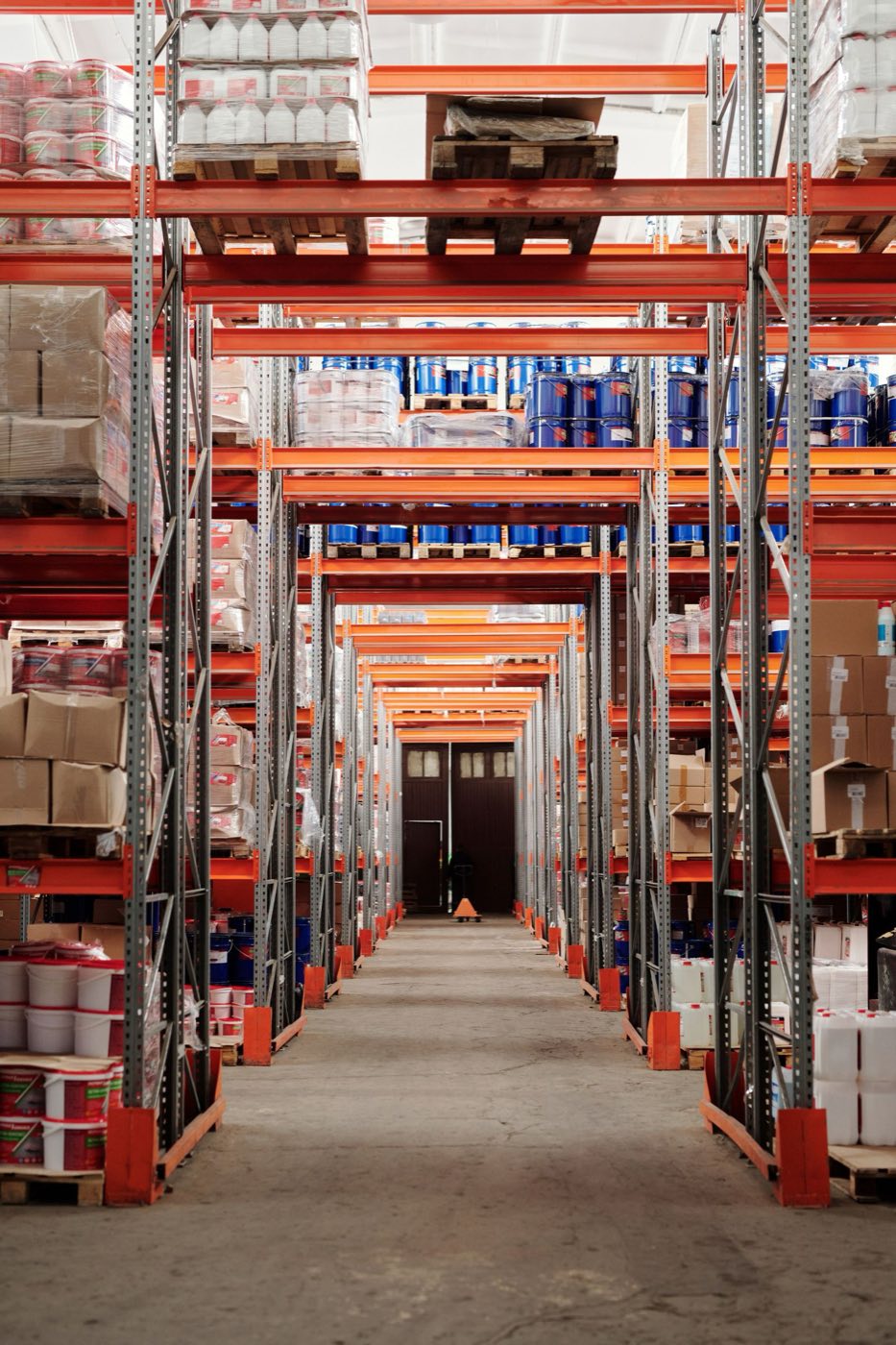
- 01Import consignments pending clearance
- 02Re-export stock
- 03Duty-paid stock awaiting dispatch
- 04High-value electronics
- 05Machinery & spare parts
- 06Branded consumer goods
Need a 3PL partner in Delhi NCR?
Tell us what you store and where it needs to reach — the team confirms availability, the plan and the rates in writing.
04 · The hard parts
Every 3PL operation carries the same pressures — these are the ones the space, the handling and the paperwork are planned around.
-
01
Duty rules done right
Duty is deferred, not forgotten. Records show each consignment's duty status, and duty is paid only when goods are cleared for India sale.
-
02
Clearance timing
Customs release can move fast or slow. Documentation is prepared with your broker so a cleared consignment never waits on paperwork.
-
03
Mixed duty-status stock
Deferred and duty-paid stock are held apart with separate records, so the two never mix in the same aisle.
-
04
Re-export flexibility
Goods that are not cleared for India can be re-exported from the FTWZ, without India duty being paid.
05 · How Lozy helps
What the 3PL team
handles.
8 operations, one contract. Pick one to see what it covers.
FTWZ (Free Trade Warehousing Zone) — priced to your volumes.
Share your product list, volumes and cities. You get site options, the scope of work and rates, itemised in writing.
03 · Coverage
Delhi NCR first,
India wide.
Lozy FTWZ operations run from the NCR belt and every major metro — imported stock sits close to where it will be sold.
Boundary as India officially depicts it
Delhi NCR belt
- Okhla
- Gurgaon
- Manesar
- Noida
- Greater Noida
- Ghaziabad
- Faridabad
- Bhiwadi
Across India
- Jaipur
- Mumbai
- Pune
- Ahmedabad
- Hyderabad
- Bengaluru
- Chennai
- Kolkata
Warehouses across the NCR belt and every major metro — stock sits close to where your customers are, and moves between sites through the same partner-fleet network.
07 · Pricing
Plans from
₹21 per sq ft a month.
Monthly, GST-invoiced terms with no long lock-in. FTWZ handling, documentation support and transport are quoted on top, for your volumes.
- 01
Written, itemised quotes after one requirement check
- 02
Storage billed monthly against the bonded space you use
- 03
Clearance and handling quoted per consignment or per case
- 04
No hidden charges — every line on the quote is explained
08 · Cost
FTWZ charges in Delhi NCR,
item by item.
The numbers importers ask for — how FTWZ pricing in India is built, and what a Lozy quote covers.
-
01
Storage rent
Plans from ₹21 per sq ft per month, billed monthly and GST-invoiced, with no long lock-in.
-
02
Handling
Inward, put-away, picking and loading quoted per pallet or per case, for your volumes.
-
03
Documentation & clearance support
Bill of entry support and clearance coordination quoted per consignment, alongside your customs broker.
-
04
Transport
Bonded inbound, FTL, PTL and city runs priced per trip through partner fleets.
09 · Good to know
Before you
sign a 3PL.
The questions Delhi NCR teams ask before handing over their warehousing — answered in plain words.
FTWZ warehousing in Delhi NCR
Lozy's FTWZ warehousing in Delhi NCR keeps imported goods inside a free trade warehousing zone, duty-deferred, until they are cleared for sale in India. Consignments arrive from the port under bonded transport, are counted and racked by SKU, and carry a live duty-status record from day one. Duty is paid only when a consignment is cleared for the India market, and goods that never get cleared can be re-exported without India duty. Distributors, retail and marketplaces across the NCR draw from the same bonded stock pool, and cleared goods leave with invoice, e-way bill and proof of delivery. Plans start at ₹21 per sq ft per month.
FTWZ warehousing in Gurgaon
Businesses importing through Delhi NCR often hold stock in a Gurgaon-side FTWZ so goods sit close to their distributor network without duty being paid upfront. A Gurgaon FTWZ removes the double handling of clearing at the port, hauling into the city and re-warehousing: the consignment moves once, into the bonded zone, and clears when the India sale is confirmed. Lozy's 3PL team handles bonded receiving, duty-status records and dispatch, while documentation moves in step with your customs broker. Cleared consignments leave for Delhi, Noida and the wider network on planned lanes.
FTWZ warehousing in Noida
Noida's manufacturing and electronics ecosystem makes FTWZ warehousing on the Noida side of the belt useful for importers feeding production lines and B2B buyers. Goods enter the zone duty-deferred, hold in bonded racking with duty tags on every record, and clear in part-lots as orders land — so duty is paid only on what is cleared, when it is cleared. Lozy's team coordinates bonded inbound, put-away and release with your customs broker, and dispatch to Noida, Ghaziabad and Greater Noida runs on planned city lanes. Monthly GST-invoiced plans start at ₹21 per sq ft.
FTWZ warehousing across India
Beyond Delhi NCR, Lozy's FTWZ warehousing serves importers with 77+ warehouses across owned, leased and partner facilities in Mumbai, Pune, Ahmedabad, Jaipur, Hyderabad, Bengaluru, Chennai and Kolkata. Imported consignments can be held duty-deferred, cleared in part-lots as India orders arrive, or re-exported without India duty being paid. One team coordinates bonded receiving, records, clearance support and dispatch everywhere, so a multi-city import operation runs on one contract instead of five vendors. Transport moves through partner fleets with e-way bills and proof of delivery on every load.
How to choose an FTWZ partner in Delhi NCR
Five checks that separate a working FTWZ operation from a rented shed inside a zone.
Duty-status records
Ask to see a live consignment register with duty status. If the provider cannot show one, the operation runs on memory.
Written rates
Storage, handling and documentation support quoted separately, in writing, before you commit.
Clearance practice
Pick a partner whose paperwork moves in step with your customs broker — duty is paid when goods are cleared, not before.
Location inside the NCR
An FTWZ close to your distributors in Gurgaon, Noida and Delhi cuts both bonded and domestic transport time.
Flexible terms
Monthly plans with no long lock-in let you test the operation before scaling.
Frequently asked questions
How much does FTWZ warehousing cost in Delhi NCR?
What does FTWZ mean in warehousing?
When is duty paid in an FTWZ?
Which areas of Delhi NCR does Lozy cover for FTWZ warehousing?
How fast can FTWZ onboarding start in Gurgaon or Noida?
Do we keep ownership of goods inside an FTWZ?
What can be stored in an FTWZ?
Can goods be re-exported from an FTWZ without paying India duty?
What are FTWZ storage charges per sq ft in India?
What transport options does Lozy's FTWZ include?
10 · City by city
FTWZ warehousing across Delhi NCR, Gurgaon and Noida
One duty-deferred stock pool, three customs corridors. How the FTWZ play runs differently in each NCR city — and where your imported goods actually hold until the India order lands.
FTWZ warehousing in Delhi
Delhi’s FTWZ play runs on two customs doors. ICD Tughlakabad, India’s largest dry port in south Delhi, clears containerised imports railed in from the gateway ports; the IGI air-cargo terminals clear airfreight on the Dwarka belt. Duty-deferred holding sits beside both corridors — the 22,000 sq ft Yashobhumi unit and the 10,000 sq ft Dhulsiras godown minutes from IGI — so a consignment cleared at Tughlakabad or IGI can be racked into bonded space the same day, still under bond. Duty is paid only when the consignment clears for India sale, in part-lots as city orders land, and stock that never clears re-exports without India duty. Seven live units across the Dwarka-IGI belt, Ghevra and Alipur run the holding floor on monthly GST-invoiced billing with no lock-in, under CCTV with PIN access throughout. See FTWZ warehousing in Delhi.
FTWZ warehousing in Gurgaon
Gurgaon anchors the FTWZ on the rail-linked dry port at Garhi Harsaru, where containerised imports clear the gateway ports. The 2.5 lakh sq ft facility beside the ICD is the FTWZ anchor of the belt: clearance, drayage and putaway collapse into one short move, and the consignment holds duty-deferred until an India order triggers clearance. Stock clears in part-lots as distributors and B2B buyers order, with duty paid only on the cleared quantity, while re-export lines leave without India duty. Twelve live units across Manesar, Kherki Daula, Garhi Harsaru, Pataudi Road and Farrukhnagar sit behind the anchor — including the 1.5 lakh sq ft, 24-dock Farrukhnagar floor for dock-dense dispatch — all on monthly GST invoices, no lock-in, CCTV with PIN access. The Western DFC pairs with the ICD, so the long trunk leg stays on rail and the city-side unit does the split. See FTWZ warehousing in Gurgaon.
FTWZ warehousing in Noida
Noida’s FTWZ runs through ICD Dadri in Greater Noida, one of north India’s largest container dry ports, minutes from the city’s sectors. Lozy runs no physical unit inside Noida today, so the model is stated plainly: containers clear at Dadri, and the network holds the stock duty-deferred at the Gurgaon-side hubs — Garhi Harsaru and the Dwarka Expressway — and the Delhi-side Dwarka units, 30–45 minutes across the EPE and the DND Flyway. Stock cleared at Dadri can reach a Gurgaon-side hub the same day, so importers get Dadri clearing without paying Noida belt rents for stock that only needs to be reachable. Duty is paid only as consignments clear for India sale in part-lots, and exporter lines stage and file through NSEZ Noida with the storage leg kept network-side. The corridor leg is quoted as its own line on the rate card, everything bills monthly on a GST invoice, and the quote names the serving hub — a phantom Noida address never enters the record. See FTWZ warehousing in Noida.
How duty-deferred holding works inside the FTWZ
An imported consignment arrives from the port under bonded transport, is counted and racked by SKU, and holds without duty paid. Duty is paid only when the consignment is cleared for India sale — in one lot or part-lots as orders land. Goods that never clear for India can be re-exported without India duty, so the holding period costs space, not the duty upfront. Deferred and duty-paid stock are held apart with separate records, so the two never mix in an aisle.
The record that keeps an FTWZ operation safe
Duty-deferred stock is only as safe as its paperwork. Every consignment carries a live record — bill of entry reference, location, cargo, duty status and movement history — updated at each status change and shared with your team on an agreed schedule. The same records feed clearance documents, invoices and e-way bills, so the customs trail reconstructs from one system instead of email threads. Duty status is a field on the record, not a conversation. If a provider cannot show the register, the operation runs on memory.
What FTWZ storage costs in Delhi NCR
Storage starts from ₹21 per sq ft per month, billed monthly on GST invoices with no lock-in. Handling sits as its own line — quoted per case or per pallet — and documentation and clearance coordination are quoted per consignment, prepared alongside your customs broker. Bonded inbound and domestic transport are priced per trip through partner fleets. The written quote splits every line, so providers compare like for like — a bundled number cannot be checked against the next quote.
FTWZ vs a customs bonded warehouse — where each fits
An FTWZ holds goods for trade flexibility: clear in part-lots as India orders land, and re-export what never clears. A customs bonded warehouse covers duty-deferred storage inside the customs frame, where goods wait under bond. The two overlap on paperwork discipline — Lozy runs the same duty-status records and bonded receiving on both — and the desk points your consignment at the right door. See the customs services and customs bonded warehousing pages.
Clearing in part-lots as India orders land
Importers rarely clear a full container on day one. The FTWZ lets you clear part-lots as orders arrive, so duty is paid only on the quantity actually sold — the rest keeps holding duty-deferred. Cleared goods move to a domestic section with invoice and e-way bill ready, and the record flips from deferred to cleared, lot by lot. That timing is the working-capital advantage of the zone, and the same desk runs the flip, so a partial clear never strands the remaining stock.
Which import lines gain most from the FTWZ model
High-value electronics, machinery and spare parts, and branded consumer goods gain the most — lines where upfront duty ties capital for months before distribution catches up. Re-export stock is the cleanest case: it holds in the zone and leaves without India duty. Distributors, marketplaces and B2B buyers draw from the same bonded pool and clear as they sell, and the 77+ warehouse network with 1M+ sq ft of live space puts the pool wherever demand is. FMCG and e-commerce import lines use the same play when launch stock lands ahead of demand.
How the FTWZ engagement is set up
One requirement check, one written quote, one record set. You share the product list, volumes, clearance pattern and the India cities you serve; the desk proposes the zone, the bonded section and the split of storage, handling, documentation support and transport. The quote is itemised so it sits beside another provider’s line for line, and onboarding to first bonded inbound can run within days once space and documentation handover are agreed. See the full 3PL services hub.
Choosing the FTWZ node: Delhi NCR, Gurgaon or Noida
Every FTWZ run in the region is a choice of customs door and holding leg. Gurgaon puts the anchor beside the rail-linked dry port at Garhi Harsaru, so clearance, drayage and putaway collapse into one move. Noida brings ICD Dadri clearing without city belt rents, holding the stock network-side at the Gurgaon hubs and the Delhi-side Dwarka units. Delhi NCR has two customs doors of its own — ICD Tughlakabad for rail and the IGI air-cargo terminals for airfreight. Bonded space sits minutes from both, so a consignment cleared in Delhi NCR can rack the same day. The desk maps your clearance pattern to the node, and the FTWZ quote names the serving unit outright.
Rail and air corridors behind the Delhi NCR FTWZ map
The Delhi NCR FTWZ map runs on three customs corridors. In Gurgaon, the Western DFC pairs with the Garhi Harsaru ICD, so the long trunk leg from the gateway ports stays on rail and the city-side unit does the split; the 2.5 lakh sq ft anchor beside that dry port is the FTWZ centre of the belt. ICD Dadri in Greater Noida clears containers minutes from the sectors. Holding is placed network-side so importers skip Noida belt rents. The Delhi leg adds two more doors — ICD Tughlakabad for railed container cargo and the IGI air-cargo terminals on the Dwarka belt. That is the full corridor picture for an FTWZ anywhere in Delhi NCR: rail into Gurgaon or Tughlakabad, air through IGI, clearing at Dadri for the Noida side, and bonded holding beside whichever door fits the cargo.
Duty-deferred holding: the Gurgaon anchor and the Noida reach
Duty-deferred stock inside the FTWZ holds until an India order triggers clearance, and the network places that holding where the corridor makes it cheap. The anchor beside Garhi Harsaru takes containerised imports and racks them under bond in one short move — the reason most rail-cleared FTWZ stock for the belt lands in Gurgaon. The Noida-side model runs differently: containers clear at ICD Dadri, then the stock holds duty-deferred at the Gurgaon-side hubs, reachable in 30–45 minutes across the EPE. Delhi-side, the 22,000 sq ft Yashobhumi unit and the 10,000 sq ft Dhulsiras godown sit minutes from IGI, so air-cleared consignments hold beside the airport rather than hauling across Delhi NCR to a distant zone. Duty is paid only as consignments clear for India sale in part-lots, and exporter lines stage and file through NSEZ Noida with the storage leg kept network-side.
How the FTWZ quote breaks down across Delhi NCR
The FTWZ quote is itemised so it can sit beside any other provider’s line for line, and the structure holds across the whole Delhi NCR belt. Storage starts from ₹21 per sq ft per month, billed monthly on GST invoices with no lock-in, whether the unit is the Gurgaon anchor, a Delhi-side Dwarka floor or the Farrukhnagar dock-dense facility. Handling is quoted as its own line per case or per pallet, and documentation and clearance coordination are quoted per consignment, prepared alongside your customs broker. The corridor leg — the move between an ICD like Dadri or Tughlakabad and the holding unit — is priced per trip through partner fleets, and it is the line that changes most between a Gurgaon and a Noida operation. Because every line is written out, a bundled number cannot hide a phantom address or a missing drayage leg, and the FTWZ comparison stays honest.
Network coverage behind the Delhi NCR FTWZ play
The FTWZ holding story only works because the wider network already exists. Seven live units across the Dwarka-IGI belt, Ghevra and Alipur run the Delhi floor on monthly GST-invoiced billing; twelve live units across Manesar, Kherki Daula, Garhi Harsaru, Pataudi Road and Farrukhnagar run the Gurgaon belt, including the 1.5 lakh sq ft, 24-dock Farrukhnagar floor for dock-dense dispatch. The 77+ warehouse network with 1M+ sq ft of live space is what lets a Dadri-cleared container from Noida hold at a Gurgaon-side hub without paying city belt rents. Distributors, marketplaces and B2B buyers draw from the same bonded pool wherever in Delhi NCR the demand sits, and clear as they sell. See the full 3PL services hub.
The records and customs links behind an FTWZ operation
An FTWZ operation is only as safe as its paper trail, and the same discipline runs at every node — Delhi, Gurgaon and Noida alike. Every consignment carries a live record: bill of entry reference, location, cargo, duty status and movement history, updated at each status change and shared with your team on an agreed schedule. The same records feed clearance documents, invoices and e-way bills, so the customs trail reconstructs from one system instead of email threads. See the customs services and customs bonded warehousing pages.
Gurgaon’s ICD belt vs Noida’s Dadri corridor
These two cities solve the FTWZ reach problem from opposite ends. Gurgaon’s edge is physical: the 2.5 lakh sq ft anchor beside the Garhi Harsaru dry port means a rail-cleared container is racked under bond in one short move, with no cross-city haul, and the Western DFC keeps the trunk leg on rail. Noida’s edge is clearance access: ICD Dadri clears containers minutes from the sectors, and the network holds the stock duty-deferred at the Gurgaon-side hubs, so importers get Dadri clearing without paying city belt rents for space that only needs to be reachable. The two models share the same record set and the same duty-status field, so stock split between a Gurgaon hub and a Noida demand pocket stays on one register. The desk points your consignment at whichever door fits the cargo and the buyer map.
Delhi-side holding: IGI and Tughlakabad corridors in the FTWZ
Delhi NCR’s own FTWZ strength is the two customs doors inside the city. ICD Tughlakabad, India’s largest dry port, clears containerised imports railed in from the gateway ports, and the IGI air-cargo terminals clear airfreight on the Dwarka belt. Duty-deferred holding sits beside both corridors — the 22,000 sq ft Yashobhumi unit and the 10,000 sq ft Dhulsiras godown minutes from IGI — so a consignment cleared at either door can be racked into bonded space the same day, still under bond. That same-day move is the Delhi NCR advantage over a distant zone: airfreight cleared at IGI does not spend another day on a highway before it holds. Seven live units across the Dwarka-IGI belt, Ghevra and Alipur run the holding floor, and stock that never clears for India re-exports without India duty. See FTWZ warehousing in Delhi.
How a city-wise FTWZ run is set up across Delhi NCR
Setup starts with one requirement check and one written quote, and the same process applies whether the operation is Delhi-side, Gurgaon-side or Noida-side. You share the product list, volumes, clearance pattern and the India cities you serve; the desk proposes the zone, the bonded section and the split of storage, handling, documentation support and transport. For a Noida importer, the proposal names the serving hub — Garhi Harsaru or the Dwarka Expressway — so a phantom address never enters the record. For a Gurgaon importer, the anchor beside the ICD is the default start, with Farrukhnagar added when the dispatch load is dock-dense. Onboarding to first bonded inbound can run within days once space and documentation handover are agreed, in any part of Delhi NCR.
Part-lot clearing and the working-capital edge of the FTWZ
The FTWZ’s working-capital advantage is timing. Importers rarely clear a full container on day one; the zone lets you clear part-lots as orders arrive, so duty is paid only on the quantity actually sold while the rest keeps holding duty-deferred. That timing holds the same way in Gurgaon, Noida and the Delhi NCR units: the record flips from deferred to cleared lot by lot, cleared goods move to a domestic section with invoice and e-way bill ready, and a partial clear never strands the remaining stock. High-value electronics, machinery and spare parts, and branded consumer goods gain the most, because upfront duty otherwise ties capital for months before distribution catches up. The same desk runs the flip, so the FTWZ discipline does not vary by city.
More questions, answered
What does FTWZ warehousing cost per sq ft in Delhi?
Can I hold imported stock duty-deferred beside the Garhi Harsaru ICD in Gurgaon?
Do I need a unit inside Noida to run an FTWZ operation from Noida?
When is customs duty actually paid in an FTWZ?
How are FTWZ duty-status records shared with my team across Delhi NCR and Gurgaon?
Does the FTWZ holding network cover all of Delhi NCR?
Can I run one FTWZ account across Gurgaon, Noida and Delhi together?
Is the ₹21 rate standard across the Delhi NCR FTWZ belt?
How do Noida importers reach the Gurgaon-side FTWZ hubs?
Which imports gain the most from an FTWZ in Delhi NCR?
Does the FTWZ desk handle customs coordination in Delhi NCR and Gurgaon?
Where does the FTWZ hold stock for Delhi NCR’s airfreight lanes?
Is the Delhi NCR FTWZ setup slow to start in Gurgaon and Noida?
Still comparing? Get the written rate card.
Storage, handling and transport — itemised, in one reply. Compare providers like for like before you decide.
More 3PL services
19 services · one teamIndustries that move like yours
Industry walk-throughsRelated pages
Space, rates & more11 · Start
Hand over the
warehouse work.
Send your stock list, volumes and cities. You get site options, scope and
rates in writing.Speak to a human · +91 9354712345
12 · Enquiry
Tell us what
you need stored.
Availability, plan and rates — one short form, a written reply.
- Written, itemised quote after one requirement check
- Site options across Delhi NCR and India
- Onboarding in days once the rules are agreed
Contact our experts
One form, one reply — 3PL availability and rates in Delhi NCR
and across India.