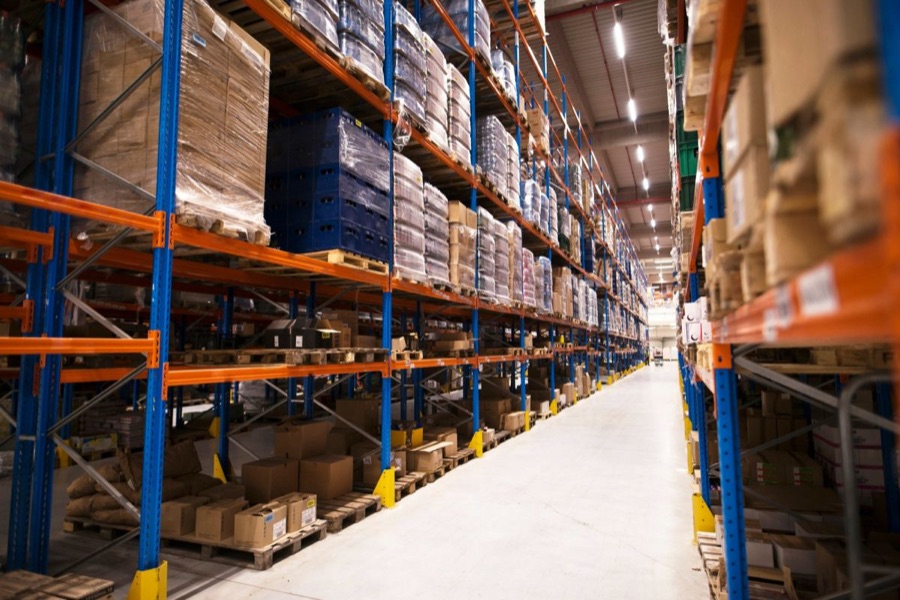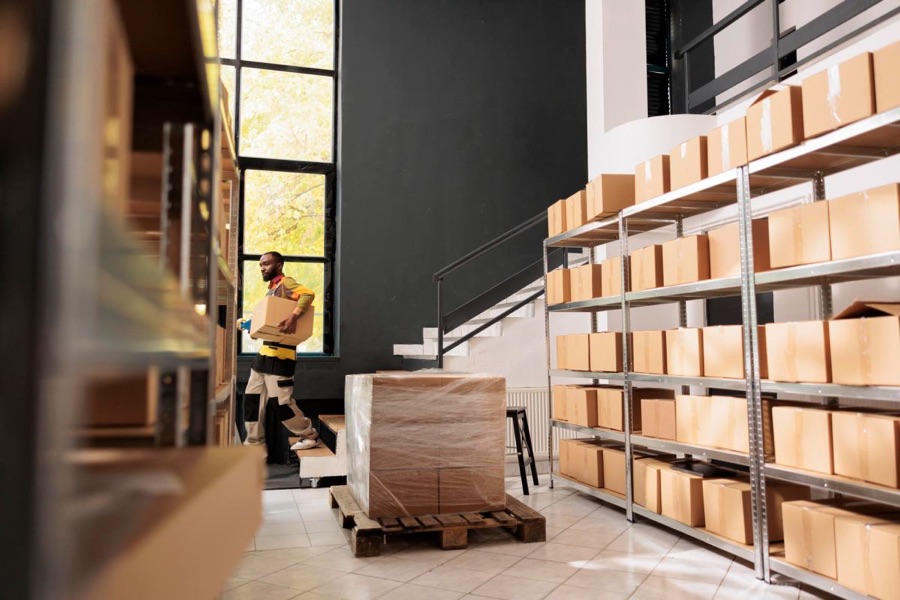
Gym equipment & sports goods warehousing
Treadmills don’t do shelves. Floor bays do.
Cricket crates, treadmills and plate stacks need ground space and careful hands — Lozy keeps the heavy on floor bays and moves dealer cartons one way, D2C parcels another.
- Warehouses
- 34
- Locations live
- 25
- Collection centres
- 74
- States & UTs
- 19
01 · Bay records
A bay number
for every machine.
Treadmill cartons are long and top-heavy; plate sets pool weight in one spot. At intake Lozy books the model, bay and condition of every piece, so nothing bulky vanishes into a corner.
What the gate knows about one treadmill
- Model
- TM-1140
- Bay
- FLOOR-B07
- Stock
- 12 cartons
- Status
- Sellable
Sample bay record — how a treadmill is tagged and stored, not a live Lozy figure.
Every unit lands in a lane — sellable, replacement or display — and the lanes never blur. Dealer cartons and single parcels then pull from one counted floor, heavy stock included.
02 · Ramp to training floor
From the ramp,
to the training floor.
01 / 08
One gear tote’s travel — from unloading ramp to training floor, drawn as a sample.
-
01
Inbound
Loaded trucks arrive with treadmill crates, boxed benches and palletised plate sets, matched to the day’s unload plan.
-
02
Receive
Model, condition and carton count written down for each unit before it clears the receiving bay.
-
03
Store
Machines and plate stacks stay at ground level; lighter cartons climb to the rack sections.
-
04
Pick
Dealer consignments gathered crate by crate, and lone units pulled for D2C parcels.
-
05
Pack
Long cartons get edge protection and two straps each; yoga mats and gloves bagged.
-
06
Label
Every crate gets its consignment mark and channel tag before it joins the dispatch lane.
-
07
Dispatch
Heaviest cartons loaded first and braced; gate check matches load to invoice.
-
08
Delivery
Dealer showrooms, gym sites and parcel drops all served; handover confirmed at each stop.
03 · Dealers, gyms, D2C
Dealer trucks,
gym vans, courier bikes.
A season spike empties stock fast, so dealer showrooms, academies and online buyers all read from one live count.
- Dealer showrooms
- Gym chains
- Sports academies
- Sports retail
- D2C parcels
- 01 Dealer showroom order
- 02 Lozy warehouse
- 03 Pick
- 04 Pack
- 05 Ship
04 · Floor bays and racks
Machines down low,
cartons up top.
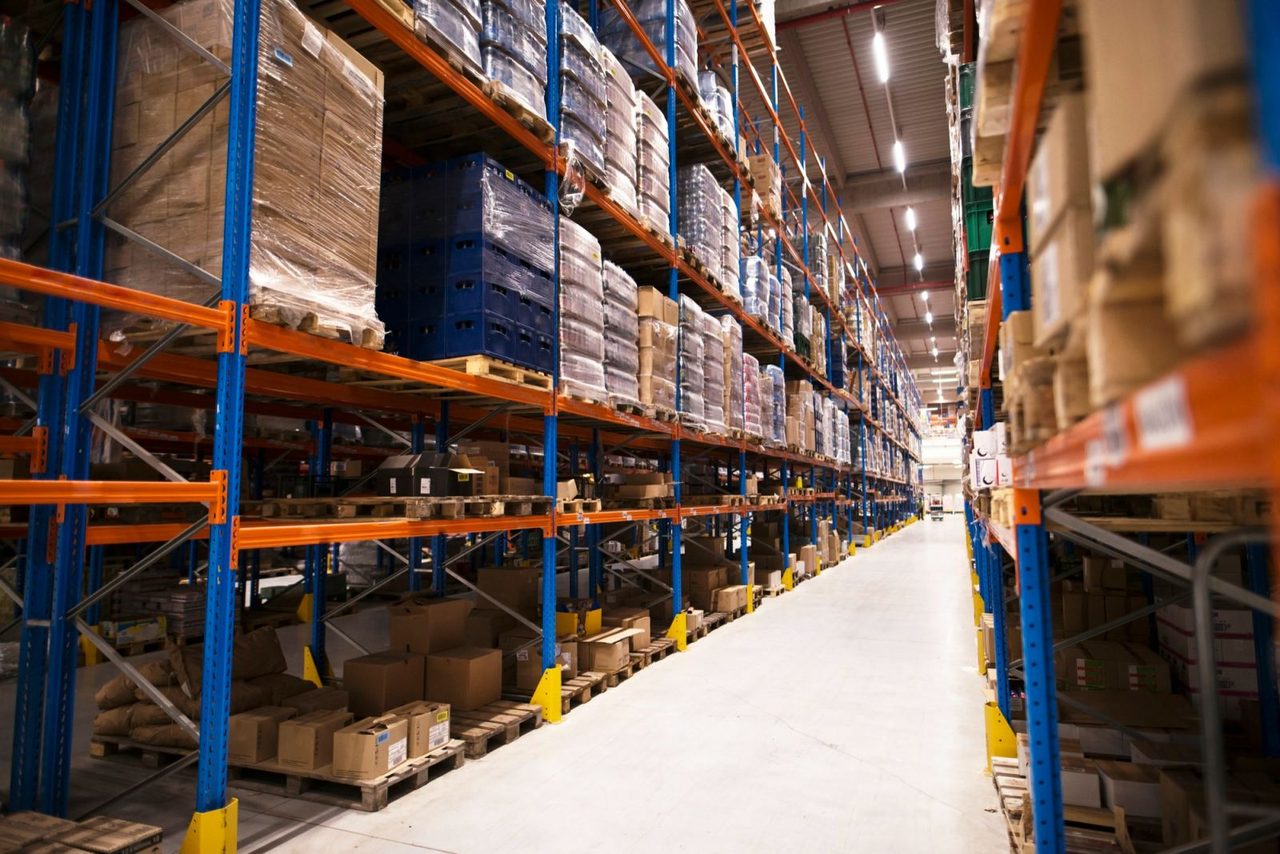
Sports stock rarely arrives as one neat category. A single consignment can mix assembled machines, heavy free weights, boxed equipment and soft goods that must stay clean and dry. Storage is planned around floor bays, rack sections and a working dispatch lane, so each type sits where it can be handled properly.
- 01Treadmills and elliptical trainers
- 02Gym benches and strength racks
- 03Dumbbells, plates and barbells
- 04Cricket bats, pads and kits
- 05Racquets and court gear
- 06Sports footwear and cleats
- 07Activewear and team jerseys
- 08Gym bags, belts and gloves
- 09Yoga mats and small fitness items
- 10Replacement parts and spare units
- 11Retail display and demo pieces
- 12Dealer bulk cartons
Share dimensions and weights for assembled machines before dispatch so the floor plan fits them. Certain product categories need prior approval before storage.
Need space for Sports & Fitness Products stock?
Tell us what you store and where it needs to reach — the team confirms availability, the plan and the rates in writing.
05 · Heavy, awkward, seasonal
Every industry carries its own pressure — these are the ones the space, the handling and the paperwork are planned around.
-
01
Heavy items, tight aisles
A treadmill in its carton needs width to move and two sets of hands to lift. A small godown with narrow doors turns every inward and outward movement into a risk of scrapes and back strain.
-
02
Seasonal demand swings
Cricket gear moves before the season, gym equipment spikes around New Year and festive sales, and monsoon weeks slow outdoor sports. Stock arrives in truckloads and then sits, so space must stretch and shrink with the calendar.
-
03
Dealer and D2C split
Dealers order in cartons; online buyers want single units packed safely. Holding both kinds of stock in one warehouse without mixing them needs clear sections, labels and a dispatch routine that keeps both channels moving.
-
04
Replacement stock chaos
Returned machines, swapped parts and fault-report units pile up faster than expected. Without a dedicated area, replacement stock mixes with sellable goods, counts drift, and a customer occasionally receives a unit that should have gone back to the brand.
-
05
Scratches and crushed cartons
Powder-coated frames, chrome weights and glossy consoles mark easily, and cardboard shows every knock. A torn carton on a gym machine signals mishandling before the product is even opened, which is costly for any brand selling premium equipment.
-
06
Bulky stock eats volume
A rowing machine or multi-gym is mostly air once assembled, and plate sets concentrate weight in a small footprint. Space planning works around floor area and stacking limits, not shelf counts, or the room runs out long before the stock does.
06 · Handling the heavy end
Straps, bays,
two-person lifts.
5 operations, one contract. Pick one to see what it covers.
07 · Getting started
From enquiry
to moving in.
Sports consignments are planned around the biggest items first. Share machine dimensions, carton counts and season dates, and the team maps floor bays, rack sections and a dispatch lane before the first truck arrives.
-
01
Enquire
Share your product type, volumes and the city you need. The team confirms availability and shares rates in writing.
-
02
Site visit and requirement planning
Visit the shortlisted facility or plan remotely — space, access and handling are matched to your operation.
-
03
Onboarding
Documentation, check-in records and access setup are completed before your stock arrives, so day one runs clean.
-
04
Storage, fulfilment and dispatch
Stock is stored, managed and dispatched per your instructions, with monthly GST-invoiced billing.
08 · Why the calendar works
-
01
Space that flexes with the sports calendar, so season spikes and festive gifting do not lock you into peak-sized rent through the monsoon.
-
02
77+ Warehouses across our network keep stock closer to dealers, gyms and courier routes across India, cutting freight on every bulk dealer dispatch.
-
03
Handling routines built for heavy metal frames and fragile consoles, not general cartons, protect the resale value of every unit.
-
04
Monthly billing with GST invoices keeps peak-season warehousing simple to account for and simple to wind down when the season ends.
09 · Coverage
Store here.
Deliver everywhere.
Warehousing sits where the orders are. Lozy runs 74 collection centres across 19 states and union territories — store in the right city and the last mile gets shorter.
Boundary as India officially depicts it
- 01 Warehouse
- 02 Fulfilment
- 03 Distribution
- 04 Customer
Every lane on the map is a real movement: stock received at a Lozy warehouse or collection centre, picked and packed there, then distributed to the customer — or moved between sites to be closer to demand.
Guwahati · Jorhat · Bengaluru · Patna · Coimbatore · Madurai · Puzhal & Ambattur · Red Hills (Chennai) · Sholavaram · Ahmedabad · Ankleshwar · Vapi · Ambala · Dharuhera · Faridabad · Garhi Harsaru · Jamalpur · Sonipat · Hyderabad · Jammu · Srinagar · Ranchi · Cochin · Indore · Aurangabad · Bhiwandi · Nagpur · Nashik · Pune · Alipur · Bamnoli · Dhulsiras · Bhubaneswar · Cuttack · Chandigarh · Ludhiana · Zirakpur · Jaipur · Ballia · Ghaziabad · Lucknow · Noida · Haridwar · Roorkee · Rudrapur · Kolkata · Siliguri
10 · What to weigh up
Before you
start storing.
The questions Sports & Fitness Products teams ask before taking warehouse space — answered in plain words.
What does sports goods warehousing with Lozy involve?
Sports goods warehousing with Lozy means storing gym machines, sports gear, footwear and apparel in monitored facilities, with floor space for bulky equipment and racks for boxed stock. Lozy dispatches to dealers, gyms and online buyers, keeps replacement stock separate, and bills month to month from Delhi NCR and across India.
What is sports goods warehousing?
Sports goods warehousing is the storage and handling of fitness machines, sports equipment, footwear and apparel in a managed facility instead of a shop back room or a small godown. It covers bulky items held on the floor and boxed goods on racks, ready for dispatch to dealers, gyms and online buyers.
Key points
- Floor space rated for treadmills, benches and heavy plate sets
- Seasonal capacity for cricket season runs and festive gifting peaks
- Separate storage lanes for sellable stock, replacement units and display pieces
- Dealer bulk dispatch and D2C pick-and-pack running from one facility
- Careful handling routines for powder-coated frames, chrome weights and fragile consoles
Planning sports storage around India's playing seasons
Sports demand in India follows two clocks. The playing calendar brings cricket, badminton and athletics gear to dealers before winter and through the school term, while the buying calendar drives gym equipment and fitness accessories through New Year and the festive sales. Monsoon weeks slow outdoor sports and push some stock into longer holds. Warehousing should mirror both clocks: stock waiting for its season stays further back, stock in demand sits dispatch-ready, and temporary capacity is taken only for the weeks the rush lasts. A monthly plan keeps that rhythm affordable instead of charging peak-sized rent all year.
Storing heavy gym equipment without damage
Gym equipment punishes careless warehouses. A treadmill is a long, top-heavy carton that tips when lifted by one corner; a plate set concentrates weight into a small footprint; consoles and touchscreens crack under stacked freight. Safe storage starts with floor bays instead of racks for heavy pieces, loads spread on pallets or dunnage, machines strapped and blocked so they cannot slide, and marked walking lanes so trolleys do not thread between goods. Soft goods like mats and grips stay bagged and off the floor, and display pieces are kept away from traffic where scratches happen. Damage usually comes from movement, not time, so control the movement.
Cost drivers in sports goods warehousing
Sports stock is bulky, and that shapes the bill. Floor space for treadmills and benches, height for stacked cartons, rack locations for boxed kit and a dispatch lane all count towards the footprint you take. Location matters too, because a facility near your dealers and courier routes cuts freight on every consignment. Season length is the third factor: a short, sharp requirement is planned differently from year-round storage. Rates depend on the space, location, term and handling you choose, and are confirmed in writing after a short requirement check.
How to choose a warehouse for Sports & Fitness Products
Choosing a warehouse for gym equipment and sports gear is mostly about access, flooring and season timing, not shelf counts. These checks keep heavy machines moving safely and fast-selling kit close to the dispatch bench.
Unloading and doorway access
A loaded treadmill or multi-gym has to travel from truck to floor without tipping or scraping a wall. Ask about ramp width, door height and whether handling help is available on site.
Floors that take weight
Weight plates and machines belong on the ground with spread loads, not squeezed onto mid-level racks. Check that floors tolerate point loads and that stacking heights leave clearance around every bay.
Handling for metal and consoles
Frames chip, consoles crack and chrome marks. A warehouse that straps machines, uses trolleys and stores console units away from aisle traffic protects the value of every unit you send out to dealers.
A season plan, not just space
Cricket gear, gym equipment and festive gifting peak at different times. Prefer a facility that scales up before a season and shrinks after it, with short notice periods on both sides.
Lanes for replacement stock
Warranty units and returns should never sit in the sellable lane. Clear bays and labels keep a fault-report machine from being counted as new stock or dispatched to a customer by mistake.
Dispatch rhythm for both channels
Dealer cartons and single-parcel D2C orders need different preparation. Check for packing benches, carton stock space and a dispatch area that can handle a bulk load and an online wave on the same day.
Access for your stock checks
You will visit for audits, stock takes and picking before a big sale. Confirm visiting hours, who signs your staff in, and how quickly withdrawal requests are processed on a working day.
Written terms and monthly costs
Confirm what the monthly charge includes, how rate changes are handled and what notice you must give. Clear terms matter more to a seasonal business than saving a little on the headline rate.
Frequently asked questions
How do I plan space for a mixed consignment of machines and cartons?
Can you handle heavy treadmills and weight plates safely?
Do you store sports goods for dealers as well as online sellers?
How do you keep replacement and warranty stock separate?
Can I take warehouse space just for a sports season?
How much does sports goods warehousing cost?
Can I store sports apparel and footwear with the equipment?
How is my sports stock protected in storage?
Can imported gym equipment move straight into storage?
Explore the services
06 links
From the blog
03 reads
Keep exploring
Industries that
move like yours.
Every industry page runs the same eight-stop walk — these pages tell it again with their own cargo, their own records and their own rules.
 01
01
 02
02
 03
03
11 · Book your season
The season books fast.
Heavy stock needs room.
Share crate sizes, weights and when the season starts.
Speak to a human · +91 9354712345
12 · Enquiry
Tell us what
you need to store.
Availability, plan and rates — one short form, a written reply.
- Tell us the industry, product and city — one short form or call.
- Get availability and rates in writing, itemised.
- Move in with documentation, access and records done before stock arrives.
Contact our experts
One form, one reply — Sports & Fitness Products availability and rates.