Auto components & OEM parts warehousing
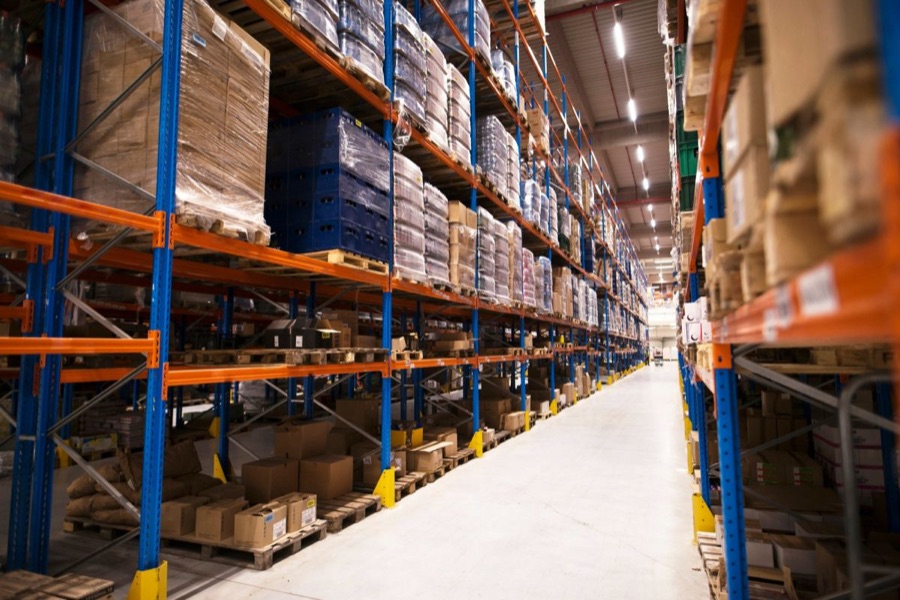
Dense metal, tight windows. Stored to the call-off.
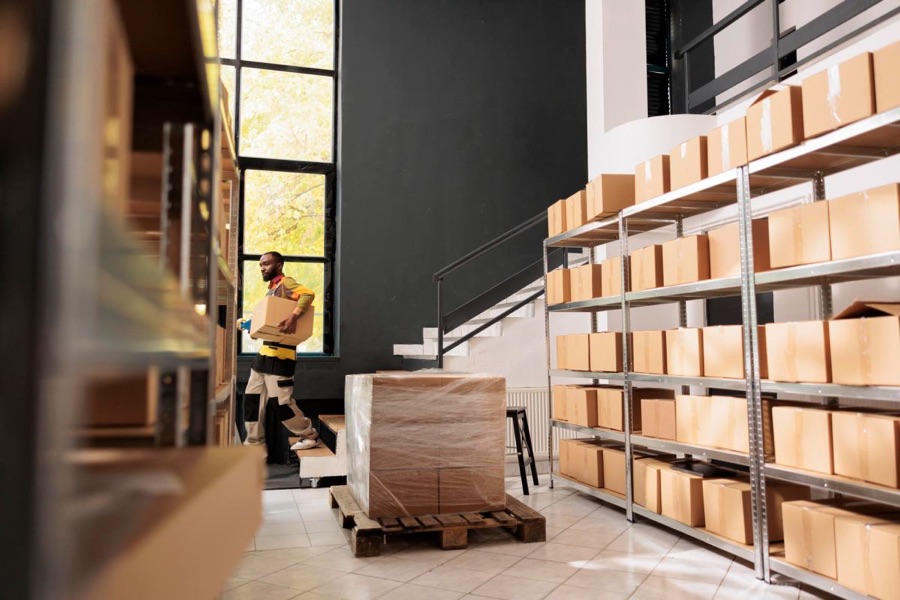
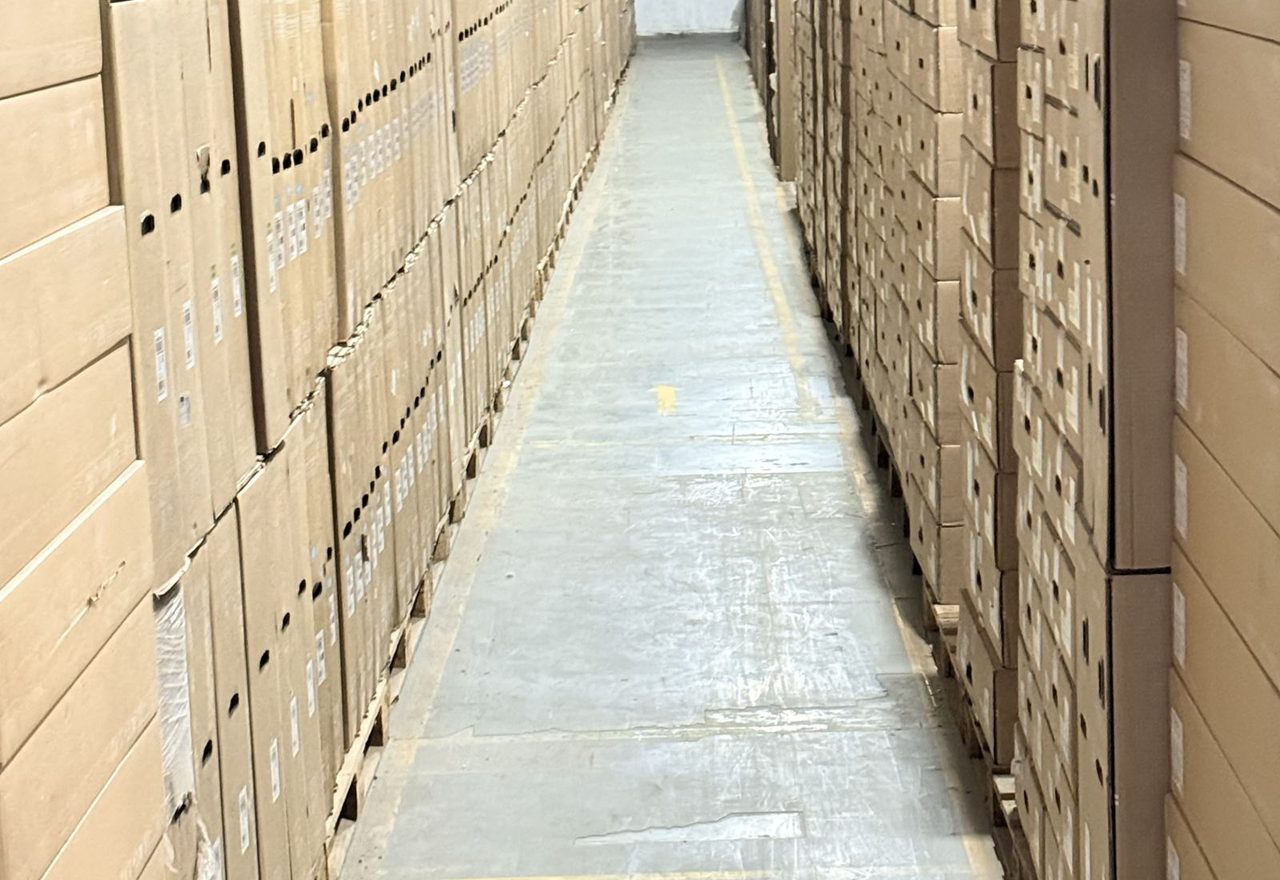
Castings, machined parts and sub-assemblies sit on racking sized for their weight — part numbers and revisions logged, returnable bins counted both ways, trucks loaded against plant call-offs.
- Warehouses
- 34
- Locations live
- 25
- Collection centres
- 74
- States & UTs
- 19
01 · Part and revision
Every part number,
every revision, logged.
A part number alone is not enough — revision, quantity and container type are recorded at check-in, so the bin on the rack matches the line's call-off.
What the warehouse knows about one part number
- Part No
- BRK-4417-B
- Revision
- Rev-C
- Location
- BIN-D14
- Status
- Line-ready
Sample record, shown to illustrate how part numbers and revisions are tracked — not a live Lozy figure.
One fastener short stops a line as surely as a missing casting. Counting by part number and revision, and keeping superseded lots apart, is what keeps a call-off honest.
02 · Dock to line
Inbound on schedule,
outbound to the call-off.
01 / 08
Sample drawing — a returnable bin moves from inbound dock to plant gate.
-
01
Inbound
Component trucks arrive to the day's schedule, bins and pallets checked at the dock against packing documents.
-
02
Receive
Part numbers, revisions and quantities verified as each container is unloaded — returnables counted in at the same time.
-
03
Store
Castings and machined parts go to racking sized for their weight; oil-coated items stay wrapped on their pallets.
-
04
Pick
Call-offs assembled part by part, with revision and hold status checked before anything leaves the rack.
-
05
Pack
Components loaded back into returnable bins and trolleys, kit contents confirmed before the lid is shut.
-
06
Label
Bin and carton labels carry part number, quantity and consignee plant — no bin opened on the dock to check.
-
07
Dispatch
Staged for the delivery window — loading starts the moment the truck backs onto the dock.
-
08
Delivery
Bins handed over at the plant gate with counts logged, so returnables begin their trip back.
03 · Plants and counters
Production first,
spares kept apart.
Plant call-offs, tier-one schedules and aftermarket counter orders all draw on one parts pool — production components in their own zones, never mixed with spares.
- OEM plants
- Tier-one suppliers
- Aftermarket counters
- Vehicle workshops
- Spares distributors
- 01 Line call-off
- 02 Lozy warehouse
- 03 Pick
- 04 Pack
- 05 Ship
04 · Racks and bins
Dense parts,
deep racks.
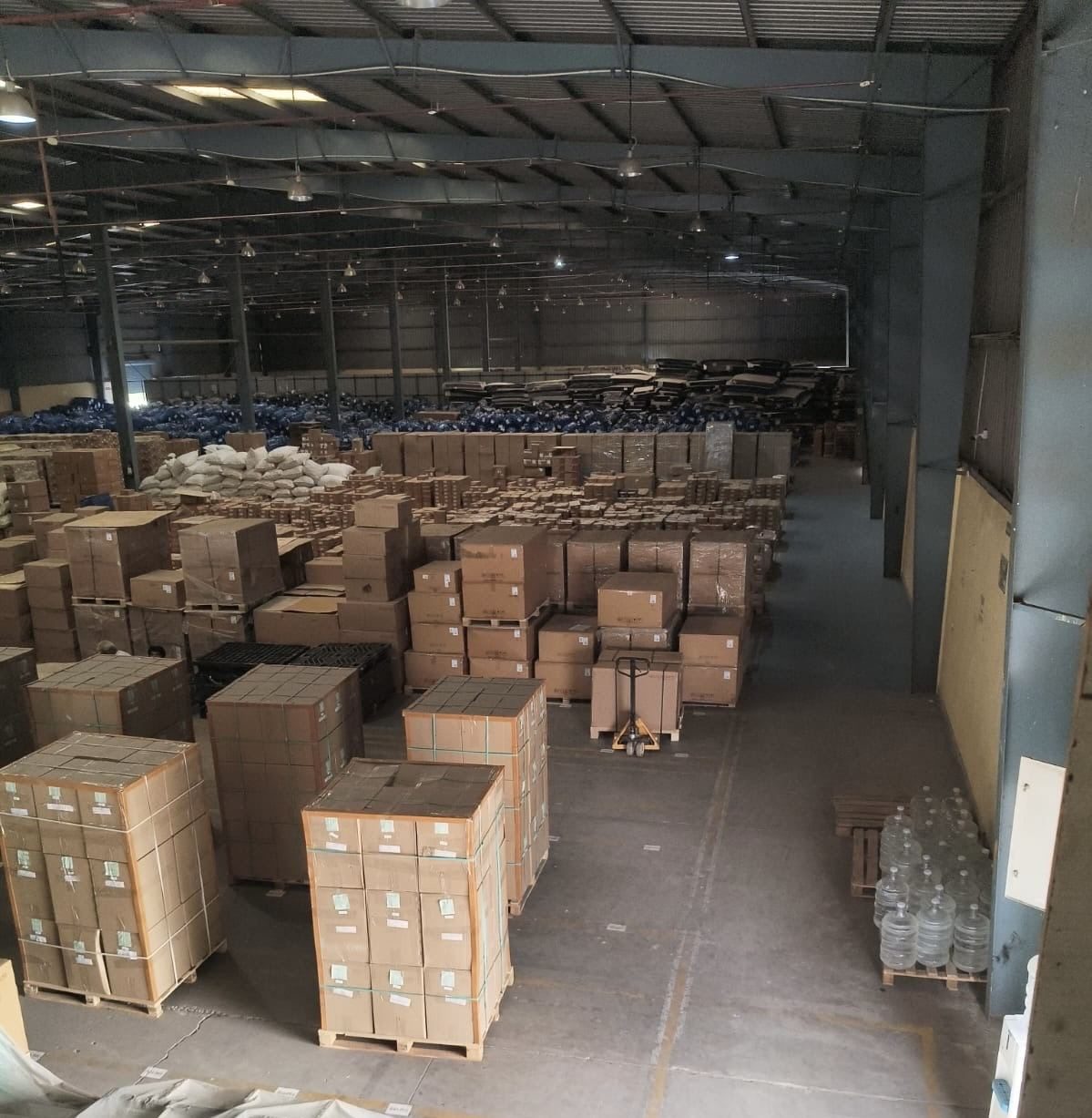
An automotive warehouse holds production material in many shapes: dense castings, finished machined parts, boxed kits and the containers that move them between supplier and plant. A typical component supply chain keeps items like these in one facility on the plant route:
- 01Machined shafts, gears and spindles
- 02Castings, housings and brackets
- 03Sheet metal panels and stampings
- 04Bearings, seals and fasteners
- 05Sub-assemblies and welded kits
- 06Wiring harnesses and electricals
- 07Oil-coated components in protective wraps
- 08Returnable bins, trolleys and pallets
- 09Packing inserts and dunnage
- 10Inspection holds awaiting quality decisions
- 11Slow-moving and obsolete model parts
- 12Tooling and fixtures for project use
Oil-coated, painted and fragile components are stored as agreed at onboarding, with packing kept intact until dispatch. Share your part list and handling notes before the first shipment.
Need space for Automotive & Auto Components stock?
Tell us what you store and where it needs to reach — the team confirms availability, the plan and the rates in writing.
05 · Where lines stall
Every industry carries its own pressure — these are the ones the space, the handling and the paperwork are planned around.
-
01
Delivery windows do not wait
OEM plants run to schedule, and a missing component can stop a line. Suppliers juggling their own godown, informal transport and manual dispatch notes frequently miss windows during production pushes and model changeovers.
-
02
Dense parts punish weak storage
Machined components, castings and assemblies weigh far more than their cartons suggest. Standard shelving bends, floors and pallets strain, and stacking mistakes damage parts and handlers when storage is planned around volume instead of weight.
-
03
Returnable packaging chaos
Every plant shipment travels in returnable bins, trolleys or pallets that must come back, be sorted and be reissued. Without a tracked cycle, containers pile up unreturned, follow-ups multiply and dispatch stalls while everyone hunts for bins.
-
04
Oil coatings and surface finish
Many components arrive oil-coated to hold off rust and must stay that way until fitment. Bare handling, dusty corners and careless stacking mark surfaces, and a marked surface is a rejected part at the plant gate.
-
05
Kits missing one fastener
A kit short of one fastener stops a line as surely as a missing engine block. Model revisions swap part numbers overnight, and storage that does not separate current stock from older revisions ships the wrong component.
-
06
Production stock versus spares
Aftermarket spares and production components move at different speeds and through different channels. Mixed together, counter demand disturbs plant-bound stock, counting blurs and both flows pay for the confusion. Keep the two separated, even inside one shared facility.
06 · Bins, racks, windows
What keeps
a plant fed.
5 operations, one contract. Pick one to see what it covers.
07 · Getting started
From enquiry
to moving in.
Component supply chains move from enquiry to first dispatch quickly. The team maps part dimensions, weights, packing types and plant delivery windows, then confirms rack or floor space before the first truck is scheduled.
-
01
Enquire
Share your product type, volumes and the city you need. The team confirms availability and shares rates in writing.
-
02
Site visit and requirement planning
Visit the shortlisted facility or plan remotely — space, access and handling are matched to your operation.
-
03
Onboarding
Documentation, check-in records and access setup are completed before your stock arrives, so day one runs clean.
-
04
Storage, fulfilment and dispatch
Stock is stored, managed and dispatched per your instructions, with monthly GST-invoiced billing.
08 · Why suppliers stay
-
01
Heavy-duty racking, pallet positions and floor blocks planned around part weights, so dense components are stored the way they travel.
-
02
Our India network spans owned, leased and partner facilities, with 1M+ Sq. Ft. Live Space behind recurring plant supply.
-
03
Pay for space by the month with GST invoices and no lock-in, so a production push does not harden into a year-long cost.
-
04
One team for check-in, storage and dispatch means components change fewer hands between your supplier and the plant line.
09 · Coverage
Store here.
Deliver everywhere.
Warehousing sits where the orders are. Lozy runs 74 collection centres across 19 states and union territories — store in the right city and the last mile gets shorter.
Boundary as India officially depicts it
- 01 Warehouse
- 02 Fulfilment
- 03 Distribution
- 04 Customer
Every lane on the map is a real movement: stock received at a Lozy warehouse or collection centre, picked and packed there, then distributed to the customer — or moved between sites to be closer to demand.
Guwahati · Jorhat · Bengaluru · Patna · Coimbatore · Madurai · Puzhal & Ambattur · Red Hills (Chennai) · Sholavaram · Ahmedabad · Ankleshwar · Vapi · Ambala · Dharuhera · Faridabad · Garhi Harsaru · Jamalpur · Sonipat · Hyderabad · Jammu · Srinagar · Ranchi · Cochin · Indore · Aurangabad · Bhiwandi · Nagpur · Nashik · Pune · Alipur · Bamnoli · Dhulsiras · Bhubaneswar · Cuttack · Chandigarh · Ludhiana · Zirakpur · Jaipur · Ballia · Ghaziabad · Lucknow · Noida · Haridwar · Roorkee · Rudrapur · Kolkata · Siliguri
10 · Before the first call-off
Before you
start storing.
The questions Automotive & Auto Components teams ask before taking warehouse space — answered in plain words.
What does automotive warehousing with Lozy involve?
Lozy provides automotive warehousing for metal components, assemblies and kits, with heavy-duty racking, returnable-pallet handling and dispatch discipline that matches OEM and tier-supplier schedules. Parts are checked in against your packing lists and staged for plant deliveries from Delhi NCR and our PAN-India network.
What is automotive warehousing?
Automotive warehousing is the storage and handling of production components, assemblies and kits for vehicle and component manufacturers, organised around plant delivery schedules rather than retail orders. It covers racked and floor storage for dense parts, returnable packaging cycles and dispatch timed to a customer's production line.
Key points
- Heavy-duty racking and floor areas sized for dense metal parts
- Returnable bins and pallets tracked through every dispatch and return cycle
- Dispatch discipline that matches plant call-offs, delivery windows and gate timing
- Part families, revisions and kits stored so the right part ships
- Protection for oil-coated and fragile components, from check-in to loading
Running automotive warehousing to a plant schedule
Component storage for a plant is a schedule problem before it is a space problem. The warehouse positions fast-moving parts near the loading bay, keeps safety buffers intact in a separate block, and stages each dispatch against the customer's call-off so trucks load in the right sequence. Check-in records mirror the buyer's documents, and every container leaving the gate is logged against a delivery window. When production pushes or material shortages hit, this discipline is what lets a supplier answer with a date instead of an apology.
Returnable packaging, counted at every turn
Returnable bins, trolleys and pallets are part of the supply chain, not packaging waste. At Lozy, containers are counted when a truck unloads, stored in a dedicated area between cycles and staged for return alongside the next dispatch, so the loop keeps turning. Damaged containers are set aside before they reach a plant, where a broken bin can stop unloading and trigger a quality conversation. For suppliers running multiple routes, this discipline keeps container balances visible and reconciliation straightforward.
Production components are not aftermarket stock
The same part number can serve two different businesses: a production line that needs components on schedule, and an aftermarket network that sells spares to the market. They move at different speeds and through different channels, so they should not share storage lanes. Keeping plant-bound components in their own zones, separate from spares, keeps dispatch discipline intact on both sides and prevents a retail-standing order from disturbing material promised to a factory. The difference is not the part; it is the promise attached to it.
How to choose a warehouse for Automotive & Auto Components
Plant supply leaves little room for a warehouse that cannot keep pace. These checks matter to production buyers, logistics managers and tier-supplier owners alike:
Racking rated for real weight
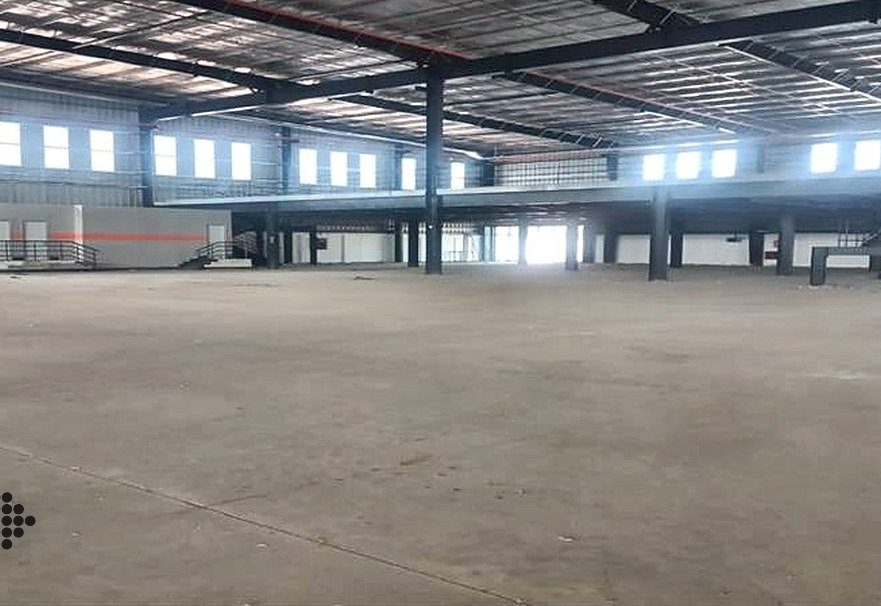
Machined parts and castings concentrate weight into small footprints. Ask about rack load ratings, pallet widths and floor capacity, and how heavy items are placed without overloading beams or leaving handlers exposed.
Dock access that keeps time
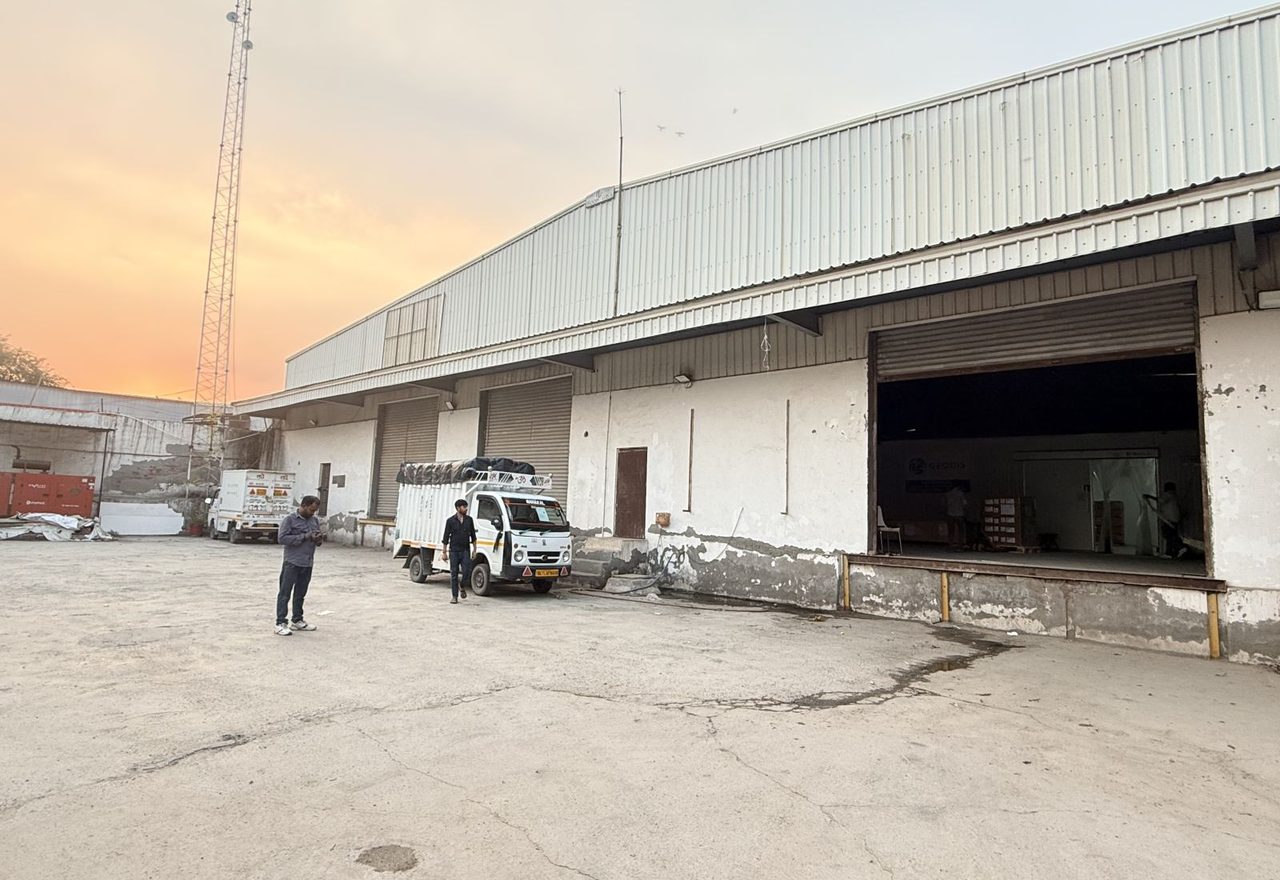
Plant schedules run on tight windows, and most suppliers dispatch at shift change. Check dock availability, loading hours and how quickly trucks are loaded and released when several consignments leave together.
Returnable container discipline
Confirm how bins, trolleys and pallets are counted at receipt, where they sit between cycles and how returns are staged. A tracked container loop keeps packaging moving and prevents shortage disputes with the plant.
Separation of revisions and holds
Current parts, superseded revisions, inspection holds and rejected stock must be labelled and physically separated. Ask how status is marked and how quarantined material is kept out of live dispatch lanes.
Protection for coated parts
Oil-coated, painted and thin-wall components need their packing intact, sensible stacking and a clean, dry location. Confirm the rules for covers, wraps and what may be stacked on top of what.
Documentation the plant accepts
Dispatch paperwork must match part numbers, quantities and container codes on the buyer's documents. Ask how check-in records, packing lists and gate passes are prepared, verified and retained for reconciliation.
Space that follows the model cycle
New model launches spike inbound parts while phase-outs leave slow-moving stock behind. A monthly space plan absorbs both ends, while a fixed lease makes you pay peak rates through quiet quarters.
Security and access control
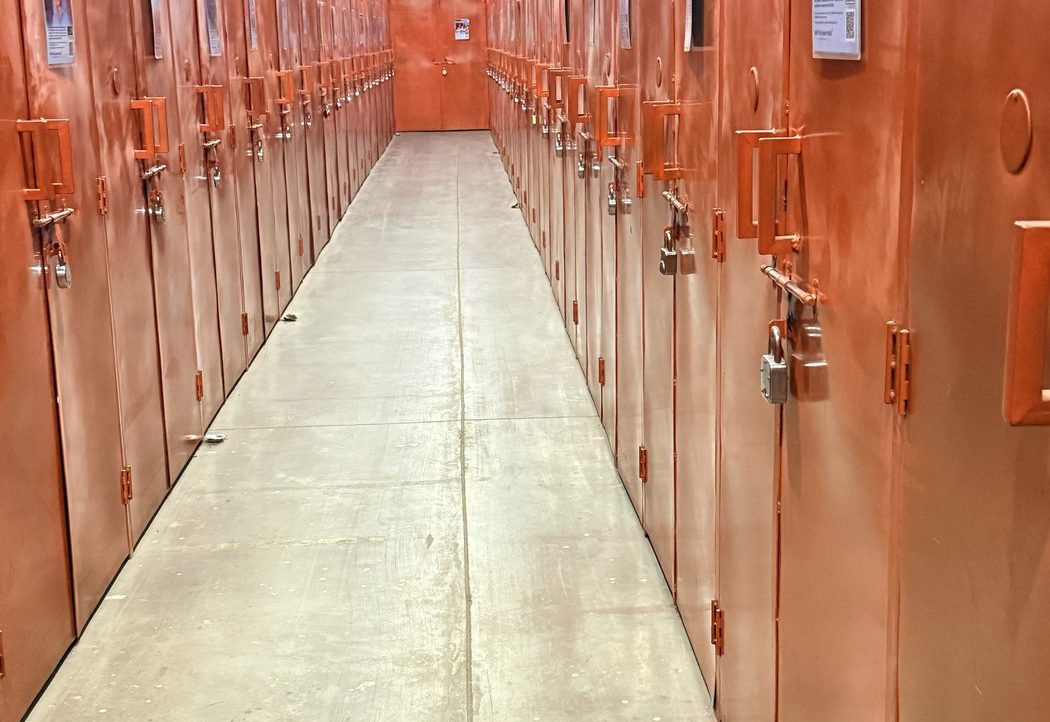
Components carry real value and customer-sensitive designs. Look for controlled access, CCTV coverage and a documented check-out record for every truck that leaves the gate carrying your parts and containers.
Frequently asked questions
Which parts are stored in an automotive warehouse?
How do you keep plant delivery schedules on track?
Do you handle returnable bins and pallets?
How are oil-coated and fragile components protected?
Can you store components for several plants at once?
What does automotive component storage cost with Lozy?
How do you separate current revisions from older parts?
Can Lozy receive imported components from our freight forwarders?
Is there a minimum storage period for auto components at Lozy?
Can our quality team inspect components at the warehouse?
Explore the services
06 links
From the blog
03 reads
Keep exploring
Industries that
move like yours.
Every industry page runs the same eight-stop walk — these pages tell it again with their own cargo, their own records and their own rules.
 01
01
 02
02
 03
03
11 · Share the schedule
Plant clocks don't pause.
Your parts shouldn't be why.
Send the part list; we will map the racks.
Speak to a human · +91 9354712345
12 · Enquiry
Tell us what
you need to store.
Availability, plan and rates — one short form, a written reply.
- Tell us the industry, product and city — one short form or call.
- Get availability and rates in writing, itemised.
- Move in with documentation, access and records done before stock arrives.
Contact our experts
One form, one reply — Automotive & Auto Components availability and rates.