Education & training · Delhi NCR · Gurgaon · Noida
Education & training in Delhi NCR, Gurgaon, Noida.
Train your warehouse team where the work happens. Lozy runs classroom sessions and live floor practice from its Delhi NCR centres — modules, drills and assessments that leave a written record of who knows what.
- Warehouses
- 227+
- Live space
- 75,348.1 Lakh+ sq ft
- Plans from
- ₹21 / sq ft
- Cities served
- 9 hubs
01 · Inventory truth
Every batch
starts with a record.
Training is only as good as what it leaves behind. This is what the record knows about one batch — and what your supervisors can check at any time.
What the training record knows about one batch
- Client
- Your warehouse team
- Course
- LZY-EDU-0207 · Warehouse Ops
- Venue
- Gurgaon centre · classroom + floor
- Learners
- 14 enrolled · 1 trainer
- Assessed
- Written + practical
- Outcome
- Certified on completion
Live record · updated after every session
Every session, drill and assessment is written to the record as it happens — not recalled at the end of the quarter. Attendance is not treated as learning: each learner is tested in writing and on the floor, and the results stay with your team.
01 · The training story
From your first session
to a certified team.
01 / 08
One batch of learners, followed end to end — the way Lozy runs education and training for warehouse teams.
-
01
The need is mapped.
Role-wise skills gaps are listed with your supervisors before any session is booked.
-
02
Modules are set.
A course plan is drawn from Lozy module library and matched to your operation.
-
03
Classroom sessions.
Theory runs in a proper room — screen, notes and questions, not a toolbox talk.
-
04
Floor practice.
Receiving, picking and packing are practised on live pallets in the warehouse.
-
05
Safety drills.
Fire, racking and manual-handling drills run with cones, vests and real exits.
-
06
WMS hands-on.
Stock moves, GRNs and dispatch are practised in the software your team uses.
-
07
Written assessment.
Each learner sits a written test; results are shared with your supervisors.
-
08
Certification.
Certificates are awarded on completion, and a completion board goes up in your warehouse.
02 · Channels
One programme.
Every role covered.
The same modules and the same assessment standard serve every role in the warehouse — from the new hire on their first week to the supervisor signing off dispatches.
- Warehouse supervisors
- Storekeepers
- Pick & pack operators
- Dock & receiving teams
- Inventory & WMS users
- New hires & refreshers
- 01 Warehouse supervisors
- 02 Lozy warehouse
- 03 Pick
- 04 Pack
- 05 Ship
03 · Storage
What your stock
sits beside.
Training runs in real Lozy facilities — classrooms beside live docks, so theory and practice never sit far apart, and learners work with the same equipment your operation uses.
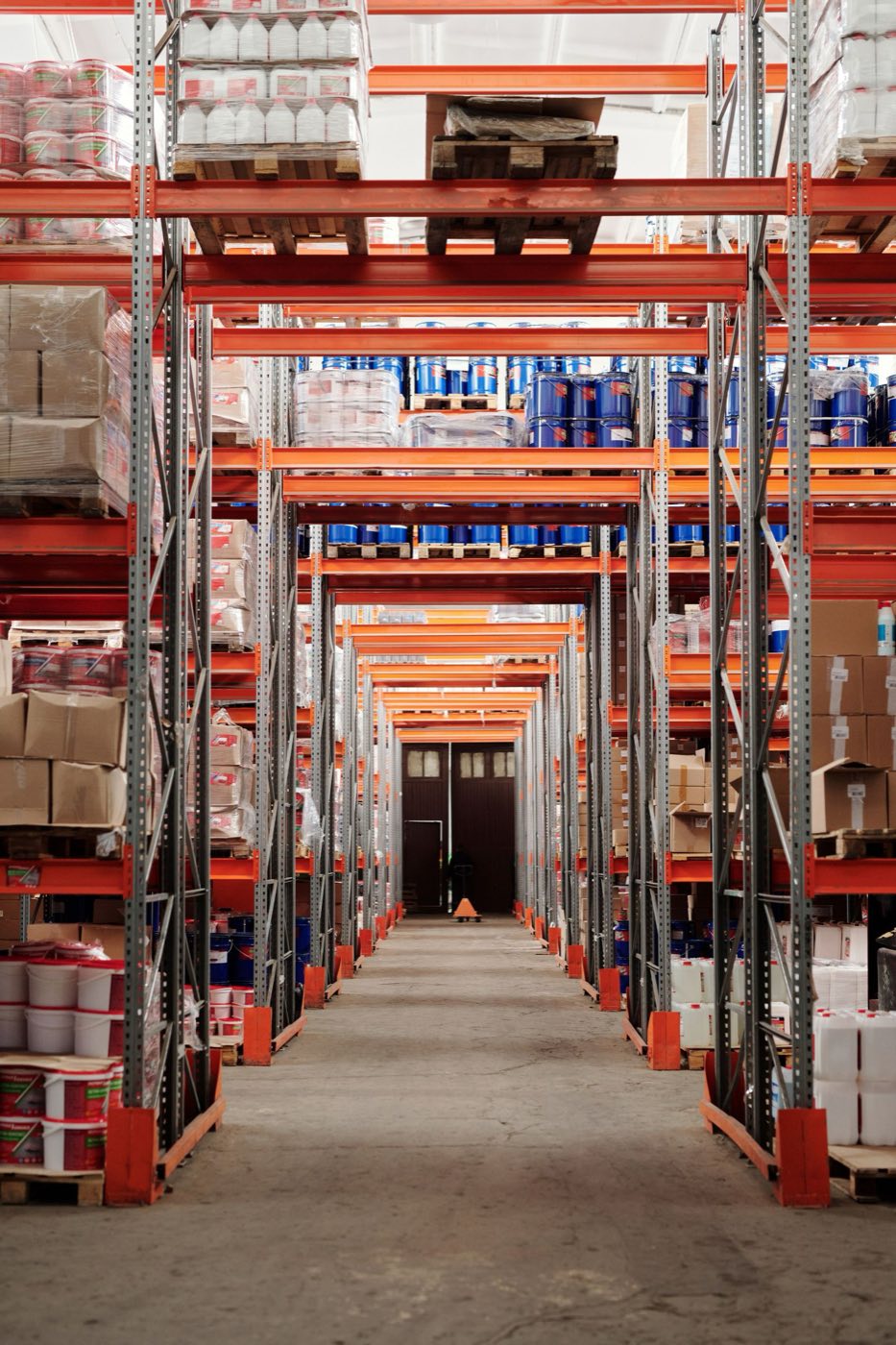
- 01Classroom sessions
- 02WMS workstations
- 03Live racking & pallets
- 04Dock & receiving zones
- 05Safety & fire drill areas
- 06Assessment & certification desks
Need a 3PL partner in Delhi NCR?
Tell us what you store and where it needs to reach — the team confirms availability, the plan and the rates in writing.
04 · The hard parts
Every 3PL operation carries the same pressures — these are the ones the space, the handling and the paperwork are planned around.
-
01
Staff who leave the same week
Training is recorded, assessed and certified, so every new hire starts from the written standard, not word of mouth.
-
02
Theory that never reaches the floor
Every module pairs a classroom session with live practice on pallets, docks and the WMS.
-
03
Safety taken as a formality
Drills run with cones, vests and real exits, and every learner is checked, not assumed.
-
04
No record of who knows what
Written assessments and a completion board make skills visible to supervisors and auditors.
05 · How Lozy helps
What the 3PL team
handles.
8 operations, one contract. Pick one to see what it covers.
Education & Training Solutions — priced to your volumes.
Share your product list, volumes and cities. You get site options, the scope of work and rates, itemised in writing.
03 · Coverage
Training in Delhi NCR,
delivered India wide.
Classroom and floor training run from Lozy Gurgaon and Noida centres, with programmes delivered at your site across India when that suits your shifts.
Boundary as India officially depicts it
Delhi NCR belt
- Okhla
- Gurgaon
- Manesar
- Noida
- Greater Noida
- Ghaziabad
- Faridabad
- Bhiwadi
Across India
- Jaipur
- Mumbai
- Pune
- Ahmedabad
- Hyderabad
- Bengaluru
- Chennai
- Kolkata
Warehouses across the NCR belt and every major metro — stock sits close to where your customers are, and moves between sites through the same partner-fleet network.
07 · Pricing
Programmes priced
per batch, per module.
A written quote per batch of learners after one requirement check. Classroom, floor time and assessment are all line items.
- 01
Written, itemised quotes after one requirement check
- 02
Per-batch pricing — pay for the learners you actually train
- 03
Modules mixed and matched from the course library
- 04
Certificates and assessments included in the quote
08 · Cost
Training charges in Delhi NCR,
item by item.
The numbers every HR and ops team asks for — how training pricing is built, and what a Lozy programme covers.
-
01
Course fee
Per-batch pricing for the modules you pick — classroom, notes and trainer time included.
-
02
Floor practice
Live practice on pallets, docks and the WMS, priced per batch or per day.
-
03
Assessments
Written tests, answer sheets and result reports included in the batch fee.
-
04
Certification
Certificates and the completion board issued at no extra charge on course completion.
09 · Good to know
Before you
sign a 3PL.
The questions Delhi NCR teams ask before handing over their warehousing — answered in plain words.
Warehouse education & training in Delhi NCR
Lozy's warehouse training in Delhi NCR pairs classroom theory with live floor practice. Each programme is built after a role-wise skills audit with your supervisors, then delivered in modules — receiving, put-away, picking, packing, dispatch, inventory records and safety. Learners practise on real pallets and the WMS your operation uses, sit written assessments, and receive certificates on completion. Training runs at Lozy centres across the NCR belt or at your own site, priced per batch in writing. A completion board goes up in your warehouse so the record stays visible.
Warehouse training in Gurgaon
Gurgaon teams train at Lozy's Gurgaon centre, where classrooms sit beside live warehouse floors. A batch moves through the same loop every time: theory in the room, practice on pallets and docks, safety drills with cones and vests, then a written assessment. Results go to your supervisors with the answer sheets, so skills are measured rather than assumed. New hires and refresher batches are both covered, and programmes can run at your own site when that suits the shift pattern better.
Warehouse training in Noida
Noida D2C and B2B teams train on the flows they actually run — parcel picking for marketplaces and case picking for distributors, side by side in the same programme. WMS training uses the software your operation works on, not a demo screen, and receiving and dispatch modules are practised at real docks. Each learner is assessed in writing, and the batch record shows who passed what. Per-batch pricing keeps the cost predictable, and programmes are scheduled around your shifts.
Warehouse training across India
For multi-city teams, the same programme can run across the Lozy network — Jaipur, Mumbai, Pune, Ahmedabad, Hyderabad, Bengaluru, Chennai and Kolkata — with one training record per organisation. A central plan keeps every site on the same modules and assessments, so a storekeeper trained in one city meets the same standard as one trained in another. Trainers travel to your site or your staff train at a Lozy facility, and the completion board travels with your organisation.
How to choose a warehouse training provider in Delhi NCR
Five checks that separate real training from a lecture with lunch.
Classroom plus floor
Every module should pair theory with live practice on pallets, docks and the WMS.
Assessed, not attended
Ask to see written assessments and result records, not attendance sheets.
Your software, their screens
WMS training must run on the software your team actually uses.
Safety is drilled
Drills should use cones, vests and real exits — not a slide about cones and vests.
Records you keep
Certificates and a completion board should stay with your warehouse after the batch ends.
Frequently asked questions
How much does warehouse training cost in Delhi NCR?
Which courses does Lozy offer?
Where do sessions run in Gurgaon and Noida?
Do you train new hires and existing staff?
Is there a written test?
What is included in the training fee?
Can training run at our own warehouse?
Do you run training outside Delhi NCR?
Do learners receive certificates?
How do we book a training batch?
10 · City by city
Education & training across Delhi NCR — Delhi, Gurgaon and Noida
One programme, three ways to run it. How warehouse team training behaves in each NCR city — and where your learners actually stand. The same modules run across Delhi NCR, with Gurgaon and Noida floors practising against live racking, so the standard is one belt, not three cities.
Warehouse training in Delhi
Delhi city teams train where Delhi stock lives. Sessions run at the Dwarka and Ghevra hubs, where classrooms sit beside working floors, and a batch from Okhla, Mundka or the central markets moves through the same loop every time: theory in the room, then receiving, put-away, picking and packing practised on real pallets, safety drills with cones and real exits, and WMS work on the same software the operation uses. Because the hubs are live warehouses — CCTV-monitored, with PIN access — learners practise against real racking without ever walking over live stock. Each learner then sits a written assessment, results go to the supervisors with the answer sheets, and certificates follow completion. Batches are priced per batch and booked around the team’s shifts, so a Delhi operation can train a picking team without pausing dispatch. The hubs double as working observation — learners watch a live dispatch queue run to its cutoff — and client stock already sits there from ₹21 per sq ft per month, billed monthly on GST invoices with no lock-in. That loop — hub classroom, live floor, written assessment — is warehouse training in Delhi NCR, run without pausing dispatch. See warehouse training near Delhi.
Warehouse training in Gurgaon
Gurgaon teams train on the floor itself. On-floor sessions run at the Manesar belt facilities, where pallet flows, cycle counts and dispatch queues are real — a picker practises against live racking with actual receipts, a storekeeper learns GRNs and stock moves on WMS screens connected to working inventory, and dock teams rehearse receiving checks against inbound documents as they arrive. The classroom sits close enough that a concept taught at ten in the morning is tested at eleven on the floor. Manesar’s mix of automotive, FMCG and e-commerce lines means modules get matched to the operation — case picking for distributor stock, parcel picking for marketplace lines, one assessment standard for both — so the programme fits the warehouse, not the brochure. Batches are priced per batch with certificates and assessments included, and the training record stays with your team after the last session. Teams that store in the belt train beside their own pallets, and refresher batches run between peaks so the floor is never short-handed. For teams already storing in the belt around Gurgaon, warehouse training continues on those same floors, and multi-site Delhi NCR operations keep one network for both storage and sessions. See warehouse training near Gurgaon.
Warehouse training in Noida
Noida teams train at their own site, with the network as the classroom. Because Noida stock is served across the Eastern Peripheral Expressway from the Delhi-side and Gurgaon-side hubs, sessions come to your warehouse instead — your docks, your racking, your WMS and your shift pattern, so skills are built against the stock and software the team actually touches daily. When a batch should see a fuller operation, theory sessions can run at the nearest hub floor, while practice, safety drills and the written assessment stay on site. Parcel picking for marketplace sellers and case picking for distributor lines are covered in the same programme, priced per batch so the cost stays predictable whether the group is five learners or a full induction. Every learner is assessed in writing and in practice, results go to your supervisors with the answer sheets, and certificates follow completion. Programmes schedule around the shift pattern, and batches that store across the EPE corridor carry one standard training record. Warehouse training in Noida keeps that same standard whether the classroom is your site or the nearest hub floor, and the written record travels with the team across the EPE corridor. See warehouse training near Noida.
A training batch, end to end
It starts with a role-wise skills audit run with your supervisors, so gaps are listed before any session is booked. A course plan is drawn from the module library — receiving, put-away, picking, packing, dispatch, inventory records, WMS use, safety drills and supervisor skills — and matched to your operation. Classroom theory, live floor practice, drills and WMS hands-on follow in sequence, each learner sits a written assessment, and certificates are issued on completion with a completion board for your warehouse. The same record then feeds the next audit, so training evidence is never reconstructed from memory.
Why practise on real floors, not training props
A module that stays in the classroom does not change a floor. Every unit of theory is paired with practice on live pallets, working docks and the WMS your team uses, so a picker’s first day after training is not their first time handling a real pick run. Safety drills run with cones, vests and real exits rather than slides about them, and receiving practice uses actual inbound documents. Learners leave able to work the next morning — which is the point of the programme.
Assessment that keeps the record honest
Attendance is not treated as learning. Each learner sits a written test after the practical work, answer sheets and results are shared with your supervisors, and pass records feed the certificates and the completion board. Scores that fall short trigger a re-run of the module, not a tick in the register. That written trail is what makes training auditable — a supervisor can show who knows what, and a new hire starts from the written standard rather than word of mouth.
New hires, refreshers and the written standard
When staff leave the same week they are hired, the cost is not the exit but the lost standard. Training is recorded, assessed and certified, so every new hire starts from the same written baseline, and refresher batches close the gaps the skills audit finds in existing teams. The same modules, assessed the same way, keep a storekeeper trained this quarter interchangeable with one trained last year. Programmes run from one-day refreshers to multi-week inductions, and a supervisor promoted from the floor teaches the modules the same way, so the standard does not drift with the trainer.
Per-batch pricing, line by line
Programmes are priced per batch, after one requirement check, and the written quote splits every line: course fee covering classroom time, notes and the trainer; floor practice priced per batch or per day; assessments with answer sheets and result reports; and certification at no extra charge on completion. You pay for the learners you actually train, and on-site delivery outside the NCR belt is quoted separately — no bundled number to unpick later. The quote arrives as a written document, so it can sit beside another provider’s line for line.
Training beside live stock, safely
Sessions run on live floors without walking over live stock. Hub floors are CCTV-monitored with PIN access, so a training batch occupies a controlled zone while dispatch continues around it. And for businesses whose stock already sits with the network — from ₹21 per sq ft per month, billed monthly on GST invoices with no lock-in — the team trains beside the very pallets it manages, which shortens the distance between a lesson and the next shift. A festive-season intake gets trained on the same monthly terms as the storage beside it.
One standard across the network
The network runs 77+ warehouses and 1M+ sq ft of live space, and training uses that scale: the same modules and assessment standard hold on any Lozy floor, and the completion board travels with your organisation. E-commerce, retail and marketplace operations are among the most frequent batches — see the e-commerce & retail industry page — and the full service set sits on the warehouse services hub. A programme piloted in one NCR belt runs identically in the next, so multi-site teams meet one standard.
How the Delhi NCR programme splits across Gurgaon and Noida
One standard, three floors. The Delhi NCR programme runs on the Delhi hubs, the Manesar belt in Gurgaon, and site-based delivery across Noida. A batch in Gurgaon trains against live racking at the Manesar facilities; a Noida batch trains on its own docks and WMS, with hub visits when the course needs a fuller operation; and Delhi teams use the Dwarka and Ghevra classrooms beside working floors. Whether the booking starts in Gurgaon, Noida or Delhi, the same module library, the same written assessment and the same completion board apply — so multi-site teams across Delhi NCR finish on one standard, with one training record and one assessment history.
Warehouse education that stays close to the operation
The education part of the programme is matched to the warehouse, not the brochure. In Gurgaon, that education runs beside automotive, FMCG and e-commerce lines in the Manesar belt; in Noida, the same classroom travels to your site across the Eastern Peripheral Expressway; and in Delhi NCR more broadly, sessions sit beside live floors at Dwarka and Ghevra. Education here means the module library, the written standard and the trainer-led classroom time — and each learner leaves with a certificate rather than a handout.
Why Gurgaon, Noida and Delhi teams book the same modules
Because the standard is the point. A storekeeper trained in Gurgaon this quarter is interchangeable with one trained in Noida last quarter. A Delhi NCR client with units in Gurgaon and Noida runs one skills audit across all of them. Modules are matched to the operation — case picking for distributor stock in the Manesar belt, parcel picking for marketplace lines across the EPE corridor in Noida, mixed flows at the Delhi hubs — but the assessment bar does not move. That is how training evidence stays comparable when the floors are not.
Scheduling training around the NCR belt
Batch timing is built around the operation in each city. Gurgaon floors run refresher batches between peaks, so a Manesar team is never short-handed mid-season; Noida programmes schedule around the shift pattern, since site delivery means the trainer travels to your docks; and Delhi NCR clients with multiple units can stagger the same programme across all three cities so no two floors are in the classroom at once. The per-batch quote is written line by line whichever city books it.
Delhi NCR coverage, in practice
Delhi NCR is served three ways: hub classrooms at Dwarka and Ghevra in Delhi, on-floor sessions across the Manesar belt in Gurgaon, and site delivery across the Eastern Peripheral Expressway in Noida. A client with units in two or three of those cities across Delhi NCR runs one skills audit, one module library, one training record and one completion board; only the classroom address changes. Programme delivery across Delhi NCR is priced per batch, with on-site delivery quoted separately, and the written quote splits every line so comparisons across the belt stay like for like.
Warehouse training at the right cadence
Warehouse training works when it matches the warehouse calendar. New-hire induction, refresher batches between peaks and a re-run after a failed assessment are all part of the same programme; each warehouse training cycle in Delhi NCR closes with certificates and a written record. The audit that opens one cycle reads the record of the last, so warehouse training never restarts from memory.
Why warehouse training belongs on live floors
Because a warehouse changes every day. Warehouse training across Delhi NCR sits on the floor, in the WMS, beside the stock, every time. Live floors mean the picker learns against real racking, the storekeeper against working inventory, and the dock team against documents as they arrive; props and slides leave the first real shift to do the teaching. So warehouse training stays on the floor.
More questions, answered
Where do warehouse training sessions run in Delhi?
Can Gurgaon teams train on the floor at the Manesar facilities?
How does training work for Noida teams without a local centre?
How is warehouse training priced in Delhi NCR?
Do learners on the Delhi NCR programme get certificates or just attendance records?
What is the difference between the Delhi NCR programme and the city-specific ones?
Does the same warehouse training course run in Gurgaon and Noida?
Which city should a two-site business train in first — Gurgaon or Noida?
Does the programme include classroom education or only floor practice?
Can we store stock and run training on the same monthly terms?
Can the warehouse training programme run at two sites at once?
Is there a minimum group size for warehouse training in Delhi NCR?
Where does the education side of the programme run in Delhi NCR?
Which industries book warehouse training in the NCR belt?
Still comparing? Get the written rate card.
Storage, handling and transport — itemised, in one reply. Compare providers like for like before you decide.
More 3PL services
19 services · one teamIndustries that move like yours
Industry walk-throughsRelated pages
Space, rates & more11 · Start
Hand over the
warehouse work.
Send your stock list, volumes and cities. You get site options, scope and
rates in writing.Speak to a human · +91 9354712345
12 · Enquiry
Tell us what
you need stored.
Availability, plan and rates — one short form, a written reply.
- Written, itemised quote after one requirement check
- Site options across Delhi NCR and India
- Onboarding in days once the rules are agreed
Contact our experts
One form, one reply — 3PL availability and rates in Delhi NCR
and across India.