Industrial and manufacturing warehousing
Feeds the line. Frees the floor.
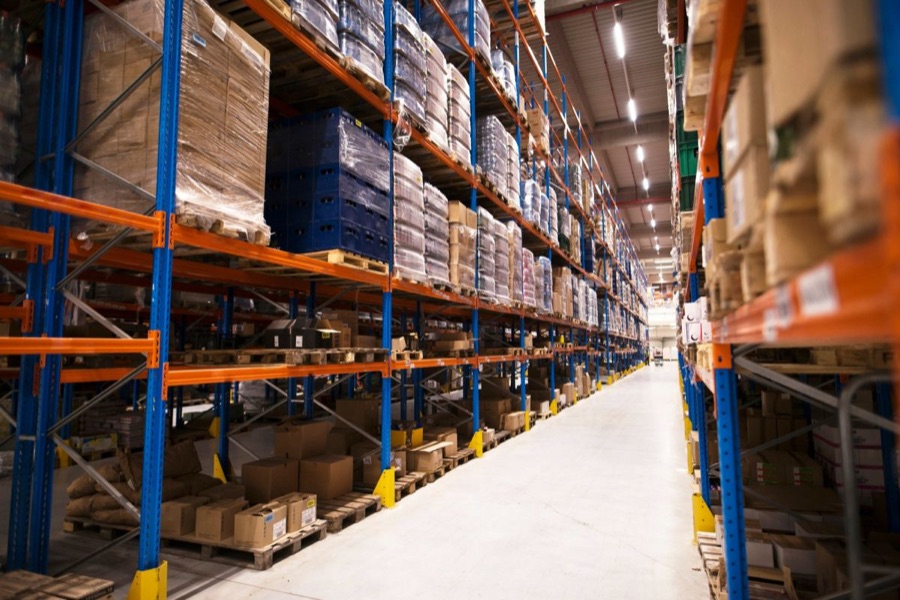
Lozy holds raw material, part-finished assemblies and dispatch-ready output — floor bays for steel and castings, lot records at intake, and loads that leave in step with your production calendar.
- Warehouses
- 34
- Locations live
- 25
- Collection centres
- 74
- States & UTs
- 19
01 · Inside a lot
A lot isn’t stock
until it’s counted in.
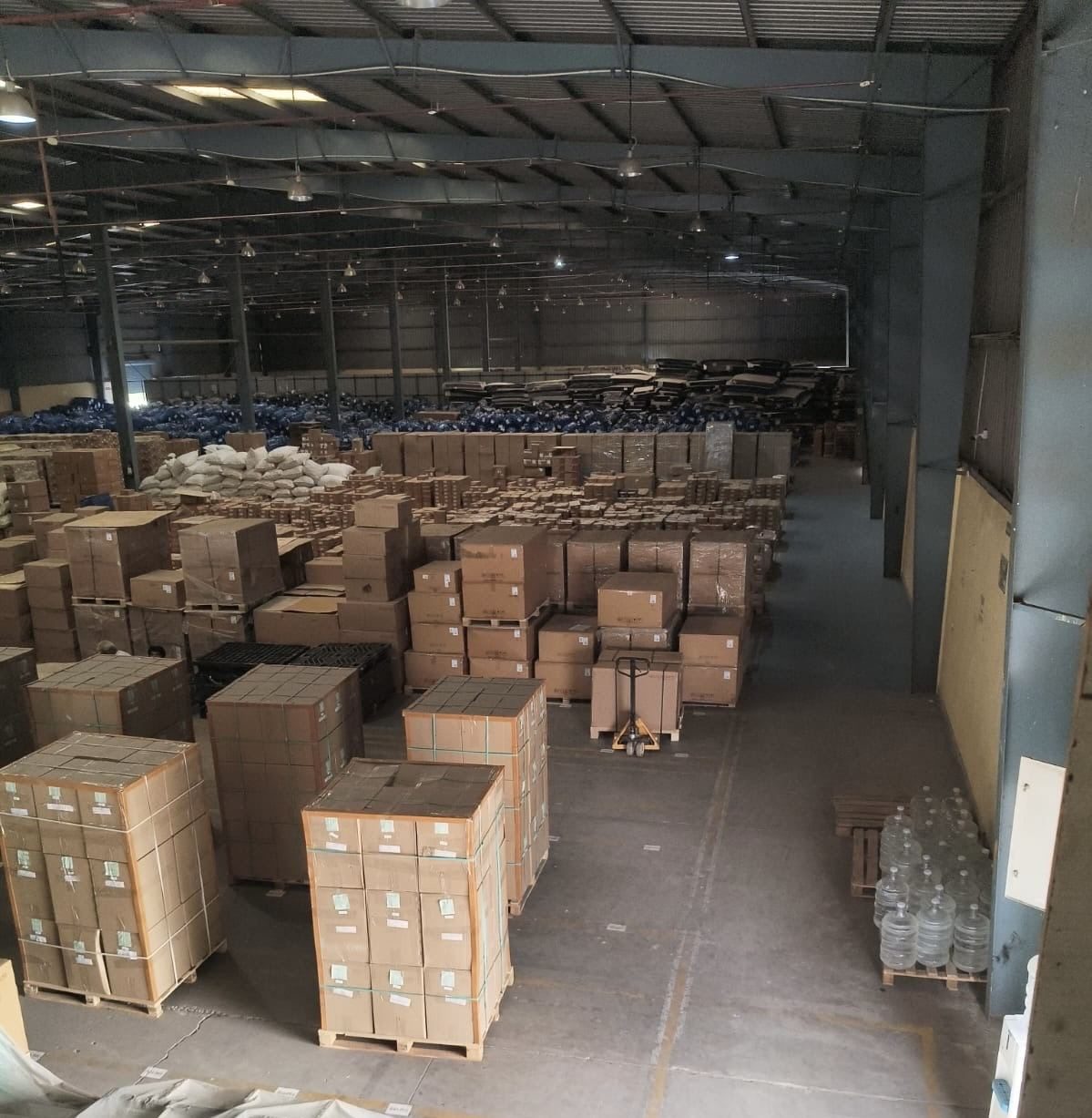
Supplier lots arrive with their codes, counts and condition — Lozy logs each one against a stage zone and a floor bay, so every stage stays countable and findable.
What the warehouse knows about one incoming lot
- Lot
- L-2609-042
- Stage
- Part-finished
- Bay
- F-12
- Status
- Counted
Sample record, shown to illustrate how incoming lots are logged — not a live Lozy figure.
Three stages live under one roof — raw material, part-finished assemblies and dispatch-ready goods. Each keeps its own code and zone, so counts reconcile with purchase records and nothing drifts between production runs.
02 · Raw to ready
From supplier lot
to the dispatch bay.
01 / 08
A steel lot’s route through intake, storage and dispatch, drawn as a sample.
-
01
Inbound
Steel, castings and packing arrive on trailers against the day’s purchase orders.
-
02
Receive
Every consignment is tallied at the dock — lot code, piece count and any dents written in.
-
03
Store
Three stages, three zones — raw on one side, part-finished mid-floor, output near dispatch.
-
04
Pick
Line calls and buyer dispatch pulled from the same bays, pallet down to piece.
-
05
Pack
Heavy pieces strapped and edge-protected; finished cartons stacked onto pallets.
-
06
Label
Lot codes and buyer references checked against the dispatch sheet as each mark goes on.
-
07
Dispatch
Vehicles load through the day; each one rolls once its papers clear.
-
08
Delivery
Steel and assemblies land at customer plants and sites, handover signed at each gate.
03 · Buyers and lines
Indents, projects,
and OEM buyers.
A plant requisition, an OEM schedule and a project order all draw on the same logged lots — one position, so buyers and the line never work off a different count.
- Distributor indents
- Project site orders
- OEM schedules
- Fabrication units
- Export buyers
- 01 Plant requisition
- 02 Lozy warehouse
- 03 Pick
- 04 Pack
- 05 Ship
04 · What bays hold
From raw lots to
dispatch-ready goods.
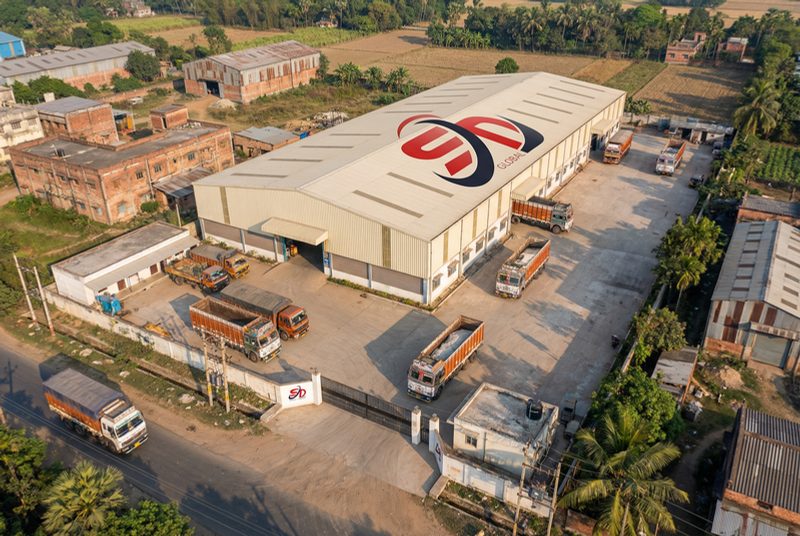
Manufacturers store a mix of inputs, part-finished stock and dispatch-ready output, along with the consumables around them. A single plan can cover all of it, with materials placed in separate zones so each stage stays countable and usable through the production cycle.
- 01Raw steel, sheets and bars
- 02Castings, forgings and machined parts
- 03Sub-assemblies and part-finished stock
- 04Finished goods awaiting dispatch
- 05Machine spares and consumables
- 06Packaging cartons and stretch film
- 07Tooling, jigs and fixtures
- 08Fasteners, fittings and hardware
- 09Imported components from customs
- 10Returnable crates and pallets
Items classified as hazardous need prior approval before storage. Share your material list with the team and they will confirm what applies to your consignment.
Need space for Industrial & Manufacturing stock?
Tell us what you store and where it needs to reach — the team confirms availability, the plan and the rates in writing.
05 · What stalls lines
Every industry carries its own pressure — these are the ones the space, the handling and the paperwork are planned around.
-
01
Plant floor congestion
Every square metre inside a factory competes with production. Raw material stacks, packaging and finished goods creep onto the shop floor, slowing movement and creating clutter, until someone gives up a machine bay for storage.
-
02
Production calendar mismatches
Materials arrive on supplier schedules and finished goods leave on dispatch schedules, and the gap between the two has to sit somewhere. When the plant has no ready buffer space, every early supplier lot becomes a firefighting exercise.
-
03
Heavy and awkward loads
Steel, castings and machined assemblies are not carton-sized. They need floor capacity, strong access and handling that does not damage surfaces or edges. Retail-style racking simply cannot take the weight or the shape.
-
04
Spares and packaging volume
Machine spares, consumables and packaging material take up more room than most teams plan for, and they are needed at odd times. Miss the buffer and a stopped line waits on a courier instead of a shelf.
-
05
Multiple stock stages
Raw material, work-in-progress and finished goods need separation to stay countable and usable. When all three land in one undivided shed, batch records blur and dispatch picks start slowing down.
-
06
Costly urban premises
Industrial property in and around Delhi NCR is expensive, and manufacturers end up paying prime rates for stock that could sit in a flexible store nearby instead, freeing the plant for the work only it can do.
06 · Around the store
What runs beside
the store and the line.
5 operations, one contract. Pick one to see what it covers.
07 · Getting started
From enquiry
to moving in.
A manufacturing storage plan starts with a short site conversation: what materials you hold, in what volumes and how they move between plant and store. The team then sizes space, access and handling around that rhythm.
-
01
Enquire
Share your product type, volumes and the city you need. The team confirms availability and shares rates in writing.
-
02
Site visit and requirement planning
Visit the shortlisted facility or plan remotely — space, access and handling are matched to your operation.
-
03
Onboarding
Documentation, check-in records and access setup are completed before your stock arrives, so day one runs clean.
-
04
Storage, fulfilment and dispatch
Stock is stored, managed and dispatched per your instructions, with monthly GST-invoiced billing.
08 · Why factories stay
-
01
Monthly billing with GST invoices and no long lock-in, so storage flexes with your order book instead of your lease.
-
02
77+ Warehouses across our network keep buffer stock close to plants and buyers across Delhi NCR and PAN India.
-
03
Handling set up for bulk material, stacked pallets and over-dimensional pieces, not just standard cartons, so heavy stock stays safe.
-
04
Documented check-in and separate stock zones keep raw material, work-in-progress and finished goods countable through the production cycle.
09 · Coverage
Store here.
Deliver everywhere.
Warehousing sits where the orders are. Lozy runs 74 collection centres across 19 states and union territories — store in the right city and the last mile gets shorter.
Boundary as India officially depicts it
- 01 Warehouse
- 02 Fulfilment
- 03 Distribution
- 04 Customer
Every lane on the map is a real movement: stock received at a Lozy warehouse or collection centre, picked and packed there, then distributed to the customer — or moved between sites to be closer to demand.
Guwahati · Jorhat · Bengaluru · Patna · Coimbatore · Madurai · Puzhal & Ambattur · Red Hills (Chennai) · Sholavaram · Ahmedabad · Ankleshwar · Vapi · Ambala · Dharuhera · Faridabad · Garhi Harsaru · Jamalpur · Sonipat · Hyderabad · Jammu · Srinagar · Ranchi · Cochin · Indore · Aurangabad · Bhiwandi · Nagpur · Nashik · Pune · Alipur · Bamnoli · Dhulsiras · Bhubaneswar · Cuttack · Chandigarh · Ludhiana · Zirakpur · Jaipur · Ballia · Ghaziabad · Lucknow · Noida · Haridwar · Roorkee · Rudrapur · Kolkata · Siliguri
10 · Before you commit
Before you
start storing.
The questions Industrial & Manufacturing teams ask before taking warehouse space — answered in plain words.
What does manufacturing warehousing with Lozy involve?
Manufacturing warehousing with Lozy means holding raw materials, work-in-progress, finished goods and packaging material in a monitored facility so the plant floor stays free for production. Storage sits within the Delhi NCR industrial corridor and across our India network, with handling for bulk loads and heavy pallets.
What is manufacturing warehousing?
Manufacturing warehousing is the practice of keeping production inputs and outputs in a managed store rather than crowding the shop floor: raw materials arriving from suppliers, work-in-progress between stages, finished goods awaiting dispatch, and the spares and packaging that keep lines running.
Key points
- Space for raw materials, work-in-progress, finished goods and packaging without crowding the plant
- Bulk floor areas and palletised bays that take heavy and over-dimensional loads
- Buffer stock between dispatch cycles so production never waits on storage
- Monthly billing with GST invoices, so storage scales with your production calendar
- Materials documented at check-in, from incoming steel and castings to outbound cartons
Planning storage around the production calendar
A factory does not consume stock at a steady rate. Supplier lots arrive early, festive and year-end demand pulls dispatch forward, and maintenance shutdowns block movement for a week or two. Storage works best when it follows the same calendar. Hold a working buffer of fast-moving raw material so a late supplier does not stop a line. Keep finished goods dispatch-ready in a shallow stack during peak weeks and push slow stock deeper. Scale extra space ahead of a confirmed order book and release it once the rush clears, which is exactly what monthly billing makes possible.
The Delhi NCR industrial corridor as a storage base
Manufacturing in North India clusters along the Delhi NCR belt, with suppliers, fabricators and buyers within a few hours of each other. That makes the region a natural base for industrial storage: inbound material from the corridor reaches the store quickly, and dispatch to northern and eastern markets starts closer to the buyer. Lozy runs within this corridor and across our India network, so a unit near Manesar, Faridabad, Noida or Ghaziabad can keep plant-side storage and flexible buffer space without buying or leasing more factory land.
What drives the cost of manufacturing warehousing
Billing is monthly on the space you take, with GST invoices that flow through as input credit. The rate depends on the footprint, location, term and handling your material needs; heavy loads, over-dimensional pieces and out-of-hours dispatch tend to matter more than the headline rent. The honest comparison weighs storage against the cost of using plant floor for stock: prime industrial space inside a factory is far too expensive to hold slow-moving material, and every square metre freed there is space that can go back to production.
How to choose a warehouse for Industrial & Manufacturing
Plant heads and supply chain teams ask the same question: which warehouse will still fit when the next order book lands? These checks separate a store that supports production from one that becomes another constraint.
Distance to the plant
Every hour a consignment spends between store and plant is production time lost. Keep storage on a route your own vehicles or regular transporters already run, within the Delhi NCR corridor where most suppliers and buyers sit.
Floor strength and access
Bulk material needs ground-floor capacity and a gate wide enough for trailers, with space to turn and unload in the rain. Check how goods actually enter and leave before signing anything.
Separation of stock stages
Raw material, work-in-progress and finished goods should sit in clear zones, even inside one facility. Separation keeps counts honest, keeps batch records usable and stops dispatch picks disturbing production stores.
Handling for heavy pieces
Ask how pallets, crates and over-dimensional pieces are moved, and whether the team has the equipment and the practice for them. Damaged edges and bent components cost more than any storage rate.
Flexibility around dispatch
Production does not arrive in neat monthly parcels. A store that lets you scale space before a big run and release it afterwards beats a fixed lease you keep paying through quiet months.
Documented check-in
Look for a facility that records what arrives, lot by lot, with photographs and a signed receipt. That record is what makes stock countable at any point in the production cycle.
Clean billing and terms
Monthly billing with GST invoices keeps storage inside your accounts and input credit. Confirm the notice period and deposit terms up front, and read what happens to held stock on exit.
Frequently asked questions
Can Lozy store both raw materials and finished goods for a factory?
How close is Lozy storage to our manufacturing unit?
Can you handle heavy pallets and over-dimensional loads?
Can you hold buffer stock between our dispatch cycles?
How is manufacturing warehousing priced?
Do we get documentation for material held in storage?
Can imported components move from customs into storage?
Is short-term overflow possible during a production peak?
Are there materials Lozy cannot accept for industrial storage?
Explore the services
06 links
From the blog
03 reads
Locations
04 placesKeep exploring
Industries that
move like yours.
Every industry page runs the same eight-stop walk — these pages tell it again with their own cargo, their own records and their own rules.
 01
01
 02
02
 03
03
11 · Book the space
The plant sets the pace.
Your storage keeps up.
Send your lot list and production calendar.
Speak to a human · +91 9354712345
12 · Enquiry
Tell us what
you need to store.
Availability, plan and rates — one short form, a written reply.
- Tell us the industry, product and city — one short form or call.
- Get availability and rates in writing, itemised.
- Move in with documentation, access and records done before stock arrives.
Contact our experts
One form, one reply — Industrial & Manufacturing availability and rates.