Warehouse management system · Delhi NCR · Gurgaon · Noida
Warehouse management system in Delhi NCR, Gurgaon, Noida.
A WMS is only as good as the warehouse that runs it. Lozy pairs its warehouse management system with its own floor teams in Delhi NCR — every scan, bin and count live from the first inbound.
- Warehouses
- 227+
- Live space
- 75,348.1 Lakh+ sq ft
- Plans from
- ₹21 / sq ft
- Cities served
- 9 hubs
01 · Inventory truth
Every scan
updates the record.
A WMS lives or dies on scan discipline. This is what the system shows about one carton — refreshed with every movement, and checkable at any time.
What the WMS knows about one carton
- Client
- Your brand
- SKU / Lot
- LZY-WMS-0561
- Location
- BIN A-07 · live count
- Quantity
- 12 units · 18 kg
- Last scan
- Pick wave 2084 · 14:22
- Movements
- Scan-in → Put-away → Pick → Load
Live record · updated on every scan
Every barcode scan — inward, put-away, pick, pack, load — writes straight to the record. You see stock by SKU, bin and batch as it happens, and the pick list only releases what the system says is physically there.
01 · The WMS story
From the first scan
to the loaded vehicle.
01 / 08
One carton, followed through the system — the way a Lozy warehouse management system records every move.
-
01
Scan-in at the gate.
Every inward carton is scanned against its ASN or GRN at the dock, before it enters the warehouse.
-
02
System suggests the put-away bin.
The WMS points the put-away team to the right bin by SKU, lot and expiry — not the first empty slot.
-
03
Bin map updated.
The bin-location map shows every position and its fill status, aisle by aisle.
-
04
Live count on the dashboard.
Stock by SKU, location and batch refreshes with each scan, for the floor and your team.
-
05
Orders release to pick lists.
Sales orders convert to pick waves in priority order, with the shortest route through the racks.
-
06
Scans verify each pick.
Scan the bin, scan the item: the system confirms before the pick leaves the aisle.
-
07
Alerts where attention is needed.
Short picks, mismatches and aged stock raise alerts at the desk instead of surfacing at invoice time.
-
08
Reports and exports.
Stock statements, movement registers and cycle-count reports export for your team and your accountant.
02 · Channels
One live record.
Every team on it.
The floor team, your operations desk and your accountant all read the same data — stock by SKU, bin and batch — so the pick face, the invoice and the balance sheet never disagree.
- Floor & pick teams
- Your ops desk
- Finance & stock ledgers
- E-commerce platforms
- Distributors
- Auditors & cycle counts
- 01 Floor & pick teams
- 02 Lozy warehouse
- 03 Pick
- 04 Pack
- 05 Ship
03 · Storage
What your stock
sits beside.
From a few SKUs in one aisle to thousands across multiple sites — the same scan discipline and bin logic at every size of operation.
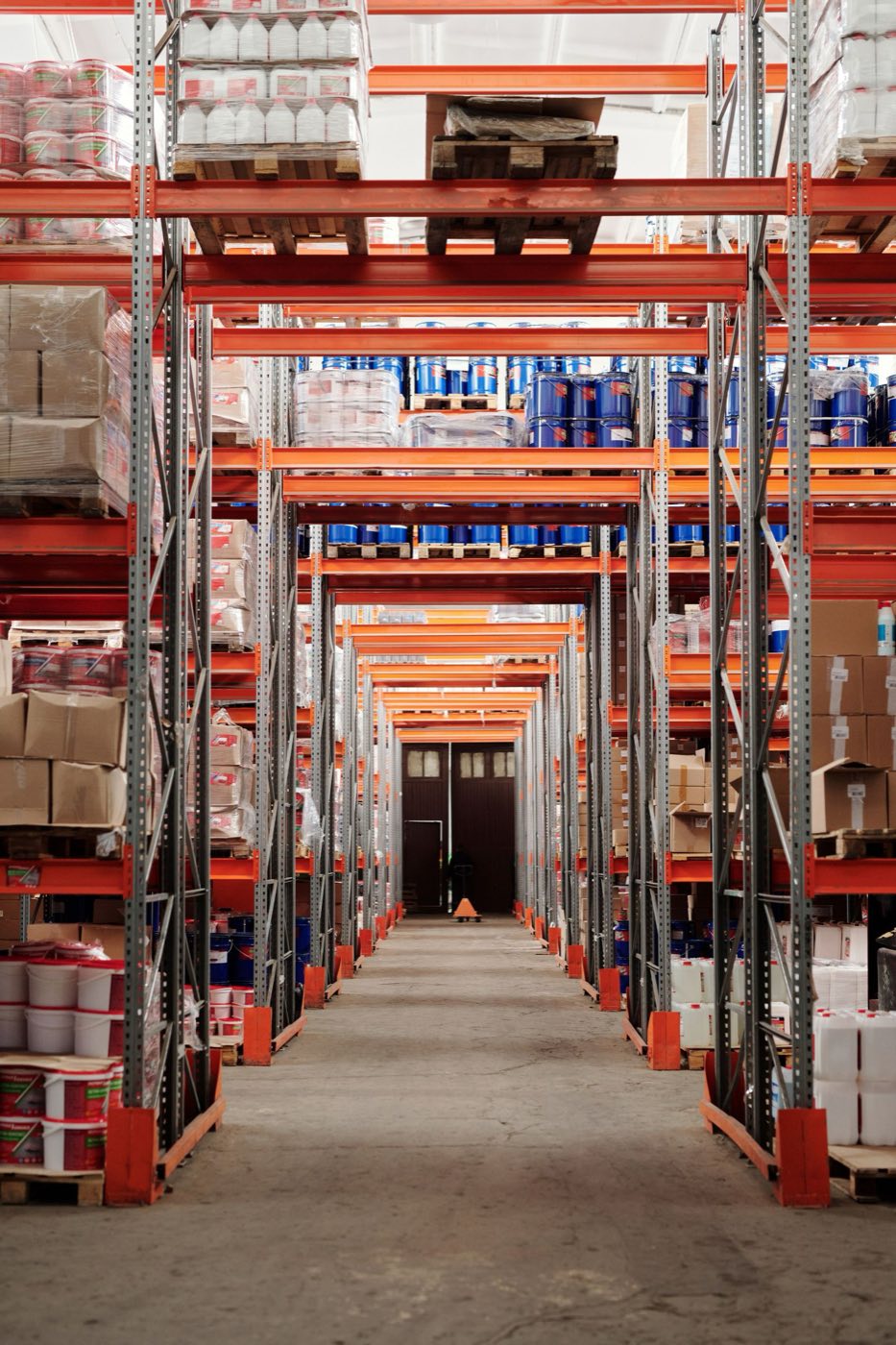
- 01Multi-SKU e-commerce stock
- 02Batch & lot-tracked inventory
- 03Expiry-sensitive goods
- 04Serial-numbered items
- 05Seasonal & promo build-up
- 06Multi-location stock pools
Need a 3PL partner in Delhi NCR?
Tell us what you store and where it needs to reach — the team confirms availability, the plan and the rates in writing.
04 · The hard parts
Every 3PL operation carries the same pressures — these are the ones the space, the handling and the paperwork are planned around.
-
01
Inventory drift
Counts drift when put-away and picking run on memory. Every movement through a scan keeps book and floor identical.
-
02
Mis-picks at speed
Picking to a system-ordered route with scan confirmation catches the wrong SKU before it reaches the pack bench.
-
03
Batch and expiry chaos
The WMS suggests bins by lot and expiry, so the oldest stock leaves first without a manual hunt.
-
04
Spreadsheets at scale
Beyond a few hundred SKUs, sheets break. The WMS replaces them with one live record shared across the operation.
05 · How Lozy helps
What the 3PL team
handles.
8 operations, one contract. Pick one to see what it covers.
Warehouse Management System — priced to your volumes.
Share your product list, volumes and cities. You get site options, the scope of work and rates, itemised in writing.
03 · Coverage
Delhi NCR warehouses,
one system across India.
The WMS runs across the NCR belt and the 9 hubs of the Lozy network — one system, one ledger, whichever site your stock sits in.
Boundary as India officially depicts it
Delhi NCR belt
- Okhla
- Gurgaon
- Manesar
- Noida
- Greater Noida
- Ghaziabad
- Faridabad
- Bhiwadi
Across India
- Jaipur
- Mumbai
- Pune
- Ahmedabad
- Hyderabad
- Bengaluru
- Chennai
- Kolkata
Warehouses across the NCR belt and every major metro — stock sits close to where your customers are, and moves between sites through the same partner-fleet network.
07 · Pricing
Plans from
₹21 per sq ft a month.
The WMS comes bundled with the warehouse — space, floor team and system on one monthly GST-invoiced plan, with no separate licence fees to juggle.
- 01
Space, team and WMS on one itemised monthly quote
- 02
No separate software licence — the system runs with the operation
- 03
Handling and value-added work quoted on top, for your volumes
- 04
Every charge explained in writing before you sign
08 · Cost
WMS charges in Delhi NCR,
item by item.
The numbers buyers ask for — how warehouse management system pricing in India is built, and what a Lozy quote covers.
-
01
Storage rent
Plans from ₹21 per sq ft per month, GST-invoiced monthly with no long lock-in.
-
02
Handling
Inward, put-away, picking and loading quoted per pallet or per case, for your volumes.
-
03
System access
Bundled with the operation — stock ledgers, dashboards and exports included in the monthly plan.
-
04
Integration & setup
Platform and ERP hooks set up at onboarding, quoted once before start.
09 · Good to know
Before you
sign a 3PL.
The questions Delhi NCR teams ask before handing over their warehousing — answered in plain words.
Warehouse management system in Delhi NCR
A warehouse management system in Delhi NCR earns its keep the day it stops the floor from working from memory. Lozy runs its WMS across the NCR belt — Okhla, Gurgaon, Manesar, Noida, Greater Noida, Ghaziabad, Faridabad and Bhiwadi — with barcode scan-in, bin-level locations and live counts updated on every movement. The system releases pick waves, verifies each pick by scan and exports ledgers your accountant can read. It comes bundled with the warehouse on monthly plans from ₹21 per sq ft, so there is no licence fee sitting apart from the operation.
Warehouse management system in Gurgaon
Businesses running multi-SKU operations out of Gurgaon use a Lozy WMS to keep put-away, picking and dispatch on one live ledger. Every carton is scanned at the dock, allocated a bin by SKU and lot, and picked through system-routed waves that confirm each pick by scan. The result is stock your e-commerce platform, distributor orders and accountant can all trust on the same day. Gurgaon-area plans are monthly and GST-invoiced, and the system scales with seasonal build-up without a renegotiated contract.
Warehouse management system in Noida
For Noida warehouses shipping e-commerce and distributor orders side by side, a warehouse management system removes the risk of selling the same unit twice. Lozy’s WMS in Noida holds stock by SKU, bin and batch, releases orders in priority waves and flags short picks and mismatches as they happen. Cycle counting runs by zone so counts are reconciled while the floor keeps moving. Space, team and system sit on one monthly plan from ₹21 per sq ft, with no separate software charge.
Warehouse management system across India
The same warehouse management system runs across Lozy’s network of 77+ warehouses in owned, leased and partner facilities — from Delhi NCR to Jaipur, Mumbai, Pune, Ahmedabad, Hyderabad, Bengaluru, Chennai and Kolkata. One ledger covers every site, so multi-city stock can be seen and moved as a single pool rather than nine separate registers. Cycle counts, alerts and exports follow the same rules everywhere, which is what makes a growing operation auditable without hiring an army of stock clerks.
How to choose a warehouse management system in Delhi NCR
Five checks that separate a working WMS from a screen with no discipline behind it.
Scan discipline first
Watch one inbound. If cartons enter without a scan, the system is recording a parallel world.
Live counts
Ask for a stock statement generated this minute. A WMS that runs on night batches is a report, not a system.
Bin-level location
Records that stop at SKU level cannot find stock in a large hall. Ask for bin-level detail.
The team that runs it
A WMS operated by the same team that owns the floor stays honest — there is no one else to blame.
Exports and audits
Confirm you can export ledgers and movement registers in formats your accountant accepts.
Frequently asked questions
How much does a warehouse management system cost in Delhi NCR?
What is the difference between a WMS and an inventory spreadsheet?
Can one WMS cover warehouses in both Gurgaon and Noida?
Do Noida e-commerce warehouses use the same WMS as Gurgaon?
Are WMS charges separate from warehouse rent?
How long does WMS onboarding take?
Can the WMS track batch numbers and expiry dates?
Do we get login access to the system?
What happens when counts do not match?
What do we need to share to get a WMS quote?
10 · City by city
Warehouse management system across Delhi NCR, Gurgaon and Noida
One system, one live record. How the same warehouse management system behaves across Delhi’s seven units, Gurgaon’s dock-heavy flow and Noida’s corridor dispatches — and what it costs. Here is how one warehouse management system keeps Delhi NCR inventory honest — the same live record, the same ₹21 per sq ft per month plan — whether stock lands on a Gurgaon dock or rolls out through a Noida corridor.
Warehouse management system in Delhi
Delhi is where the WMS must hold SKU control across seven separate city units, not one floor. Lozy runs live units across Dwarka, the IGI belt, Ghevra and Alipur, and one ledger carries them all: a carton scanned at the Dwarka dock appears in the same stock view as pallets sitting on the Ghevra and Alipur belts. The system suggests the put-away bin by SKU, lot and expiry at whichever unit the carton enters, and the pick list releases only what the system says is physically there. Sellers whose stock naturally spreads — air-cargo arrivals near IGI, FMCG and trading buffer on the outer belts — read one truthful count instead of five registers. The record is updated on every scan and checkable at any time, and the same ₹21 per sq ft per month plan bills GST-invoiced monthly. The warehouse management system treats the whole Delhi NCR map as one operating zone, so a pick in Dwarka and a replenishment in Alipur never disagree. See warehouse services in Delhi.
Warehouse management system in Gurgaon
Gurgaon is where a warehouse management system has to run at dock speed. The rail-linked ICD at Garhi Harsaru lands inbound containers, and the dock-dense Farrukhnagar cluster moves high-throughput cross-docking and bulk work — so every dock handoff must write to the record: scan at the gate, bin assignment by SKU and lot, pick wave release, scan-verified loading. In a dock-heavy cluster the WMS earns its fee at the handoffs, because that is where a wrong SKU or a missed count turns into a mis-shipment on a full truck. The system orders each carton through the same dock-to-bin chain whether the stock is import cargo clearing the ICD or distribution stock on the Manesar supplier belts, and the live count is shared with your desk while the floor keeps moving, under CCTV and PIN access on every unit. The same warehouse management system that sequences a Gurgaon dock is the one a Delhi desk reads, so the two views never tell different stories. See warehouse services in Gurgaon.
Warehouse management system in Noida
Noida has no unit inside the city today — the record does the work that a local godown would do. Noida stock lives network-side at the Gurgaon-side and Delhi-side hubs, reached 30–45 minutes across the DND Flyway and the Eastern Peripheral Expressway, so the WMS is what a Noida desk actually reads: live counts by SKU, bin and batch from the serving hub, on the same ledger the hub floor scans against. Every corridor dispatch is a wave in the system — released, picked, packed and loaded from a record your team can check before the truck leaves. Electronics sellers on the city’s industrial belts and marketplace sellers in Greater Noida run on those same records, and container filing at ICD Dadri and exporter customs at NSEZ Noida sit on the same record set, so the storage leg and the paperwork leg never drift apart. Everything a warehouse management system should do — suggest the bin, confirm the pick, close the wave — happens on the hub floor and shows on the Noida screen in the same minute. See warehouse services for Noida.
What the WMS records about every carton
Each carton carries a record: SKU, lot, batch and expiry where your products need them, the bin location, and a movement chain — scan-in, put-away, pick, pack, load. Inward scans tie to your ASN or GRN, the system assigns the put-away bin by SKU and lot, picks confirm by scanning bin and item, and the load scan closes the wave. The record refreshes with every scan, so what you see is what the floor did, not what someone typed afterwards. Stock statements, movement registers and cycle-count reports all export from that same record, which is how book and floor reconcile on the same day.
Scan discipline — why it decides everything
A warehouse management system is only as true as its scans. At a Delhi NCR dock, every inbound carton is scanned against its ASN or GRN before it enters, so goods that never appear on a document never quietly appear on the floor. Put-away follows the system’s suggested bin, picking runs through system-routed waves, and each pick confirms by scanning the bin and the item — the wrong SKU is caught in the aisle, not at the customer’s door. Alerts for short picks and mismatches surface at the desk the same day, while the fix is cheap and the stock is still in the building.
Cycle counting across seven units
Counts roll by zone and SKU on a schedule that does not freeze dispatch. The live ledger is the reference, so a count is a reconciliation against it, not an annual event that halts the operation. Across the seven Delhi units, the Gurgaon cluster and the Noida-serving hubs, the same counting rules apply — and a count on any unit can be requested any day of the month. Because a zone is small enough to count while the rest of the floor keeps picking, accuracy is maintained without a shutdown, and mismatches are chased while the trail is fresh.
What a WMS plan costs in Delhi NCR
The system is bundled with the warehouse. Plans start from ₹21 per sq ft per month, billed monthly on a GST invoice with no lock-in, and there is no separate licence fee — space, floor team and system sit on one itemised quote. Handling is quoted on top per order or per pallet, and value-added work only when you use it. CCTV monitoring and PIN access run on the units, and every line is explained in writing before anything moves. See the full 3PL services hub.
One system across cities
The same WMS runs across every unit, so multi-city stock reads as one pool. A transfer from a Gurgaon unit to a Delhi unit is recorded like any other movement, a Noida corridor dispatch draws from the serving hub’s ledger, and Ghaziabad and Faridabad lanes join the same record set without a second installation. One login, one stock statement, whichever belt your goods sit on — 3PL in Ghaziabad · 3PL in Faridabad.
Batch and expiry tracking
Where your products need it, stock is recorded by batch and expiry, and put-away suggests bins so the oldest stock leaves first. The system flags aged stock before it turns into dead stock, and lot-level records mean a recall or a customer complaint can be traced to the exact inbound batch. FMCG lines on the outer belts, import cargo clearing the Gurgaon ICD and expiry-sensitive e-commerce stock all run the same lot discipline, on one ledger.
How to choose a WMS in Delhi NCR
Five checks separate a working system from a screen with no discipline behind it. Watch one inbound — if cartons enter without a scan, the system records a parallel world. Ask for a stock statement generated this minute, not a night batch. Demand bin-level detail, not SKU-only registers. Check that the same team runs the floor and the system, because split ownership breeds blame. And confirm the exports your accountant accepts — ledgers, movement registers and cycle-count reports in standard formats.
Why one warehouse management system fits Delhi NCR, Gurgaon and Noida differently
One warehouse management system, three operating rhythms. In Delhi NCR the job is holding seven units to one count; on Gurgaon’s dock belts it must survive a container handoff without losing a carton; for Noida it must make a network-side stock position feel local to a Noida desk. The WMS does not care which city the floor sits in — it cares that every scan lands in the same record. That is why a Gurgaon cross-dock wave, a Delhi NCR pick and a Noida corridor dispatch can all close on one ledger in the same afternoon.
Delhi NCR networks and the single record
Across the Delhi NCR network, every unit scans into the same warehouse management system, and every scan moves the whole region’s stock picture, not just one warehouse. A Delhi NCR seller moving goods between the Dwarka belt and the Ghevra belt sees one count, and a Gurgaon unit transferring stock into a Delhi NCR unit posts it the same way. The system’s value in a Delhi NCR operation is that distance stops mattering — the record is what travels.
Gurgaon dock flow, Noida corridor flow — same discipline
Gurgaon’s strength is dock density: the Garhi Harsaru ICD and the Farrukhnagar cluster push cartons through fast handoffs, and the WMS sequences each one. Noida’s strength is the corridor: dispatches run 30–45 minutes across the DND Flyway, so a Noida wave must be released, picked and loaded on a record that is already current. The warehouse management system applies the same rules in both places — scan, suggest, confirm, close — and only the geography changes. A Gurgaon dock handoff and a Noida corridor wave both end as lines in the same ledger, so a business running Gurgaon stock and Noida customers reads one truthful position.
WMS reports your accountant can rely on
The WMS exports the documents a GST desk actually needs: stock statements, movement registers and cycle-count reports in standard formats. Because the warehouse management system writes the record at scan time, the exports are not a second version of the truth — they are the truth, formatted. A Delhi NCR account with units in Dwarka, Ghevra and Alipur, a Gurgaon dock operation and a Noida corridor desk can each pull the same report structure from the same system.
When Delhi NCR stock moves between cities
Transfers between a Delhi NCR unit and a Gurgaon unit record like any other movement, and the warehouse management system posts both sides of the transfer at once. Stock shipped into Noida’s serving hub shows in the Noida view the moment it is put away, and a Gurgaon-to-Noida movement never waits for a batch job. Because the WMS treats the whole network as one warehouse, Delhi NCR buyers and Noida sellers read the same count without reconciling two systems.
The warehouse management system checklist across cities
Test the warehouse management system the same way in every city you plan to use. Run the five checks on any Delhi NCR unit, any Gurgaon dock and any Noida-serving hub, then ask whether the reports match across them — a warehouse management system that passes in one warehouse and fails in another is a system problem, not a city problem. If the Delhi NCR ledger, the Gurgaon ledger and the Noida view all read from one record, the system is honest everywhere.
More questions, answered
How does the Delhi WMS keep counts right across seven units?
Can the WMS handle Gurgaon’s dock-heavy warehouses?
What does a Noida business see when stock sits network-side?
Does one WMS cover Delhi, Gurgaon, Noida, Ghaziabad and Faridabad?
Is the warehouse management system price separate from rent?
Why does a Delhi NCR business need the same warehouse management system as a Gurgaon or Noida one?
Is the ₹21 warehouse management system plan the same across Delhi NCR?
How do I watch a WMS in action before signing?
Can the WMS handle seasonal spikes on the Noida corridor?
Does Gurgaon’s ICD flow slow the warehouse management system down?
Still comparing? Get the written rate card.
Storage, handling and transport — itemised, in one reply. Compare providers like for like before you decide.
More 3PL services
19 services · one teamIndustries that move like yours
Industry walk-throughsRelated pages
Space, rates & more11 · Start
Hand over the
warehouse work.
Send your stock list, volumes and cities. You get site options, scope and
rates in writing.Speak to a human · +91 9354712345
12 · Enquiry
Tell us what
you need stored.
Availability, plan and rates — one short form, a written reply.
- Written, itemised quote after one requirement check
- Site options across Delhi NCR and India
- Onboarding in days once the rules are agreed
Contact our experts
One form, one reply — 3PL availability and rates in Delhi NCR
and across India.