
Free Trade Warehousing Zone · Delhi NCR first · India-wide
FTWZ services in Delhi NCR, Gurgaon and Noida.
An FTWZ lets foreign cargo sit in India without customs duty — and from Delhi NCR, the Lozy desk runs the whole zone position for you: documentation, filings, storage and movement across Delhi, Gurgaon and Noida, with the gateway ports behind. Trade in foreign currency, hold for as long as you need inside the Free Trade Warehousing Zone, and pay duty only when stock clears for the Indian market.
- Warehouses
- 77+
- Live space
- 1M+ sq ft
- Duty at entry
- None
- Holding time
- No limit
01 · Inventory truth
Every FTWZ consignment
starts with a record.
Inside a Free Trade Warehousing Zone, the record is what keeps a duty-free position honest. This is what the Delhi NCR desk knows about one client consignment — and what you can check at any time.
What the desk knows about one consignment
- Client
- Your brand
- SKU / Lot
- LZY-FTZ-0142
- Zone
- FTWZ · Gurgaon desk
- Value
- Foreign currency · traded
- Entry
- SEZ filing · counted at gate
- Status
- Held → Traded → Cleared → Out
Live record · reconciled each cycle
Every entry, movement and sale is written to the FTWZ record as it happens — and reconciled against the zone operator’s own statements each cycle. You keep ownership of the stock and set the rules for how it is received, traded and released.
01 · The FTWZ story
From the port
to the buyer.
01 / 08
One consignment, followed end to end — the way an FTWZ runs when the Delhi NCR desk owns the paperwork.
-
01
Cargo arrives
From the origin port to the gateway — or railed inland to the NCR ICDs, whichever fits the FTWZ lane the desk plans for you.
-
02
Zone entry filed
SEZ framework documentation for the FTWZ entry filed before the goods move; the entry reference carries on your file from day one.
-
03
Held duty-free
No Basic Customs Duty, no surcharge, no IGST at entry — and no storage time limit. The FTWZ duty clock never starts.
-
04
Traded in foreign currency
Sales out of the zone in foreign currency, with the paperwork the banks and customs expect on an FTWZ trade.
-
05
Value added inside
Quality checks, repacking, kitting and relabelling coordinated through the FTWZ’s facilities.
-
06
Cleared or re-exported
Bill of Entry for India sales — customs duty paid only on the cleared value — or a clean FTWZ re-export exit.
-
07
Movement out
Cleared stock leaves the FTWZ for a network warehouse in Delhi NCR or straight to the buyer, in one planned leg.
-
08
The India network
77+ warehouses and 1M+ sq ft of live space stand behind every FTWZ position, Delhi NCR to the gateways.
02 · Regimes
Three ways to hold
imported stock.
The same imported goods can sit under three regimes — the Free Trade Warehousing Zone among them — and the right one changes with your trading pattern. The Delhi NCR desk runs all three against one record set.
- FTWZ (international)
- Customs bonded warehouse
- Duty-paid 3PL storage
- Re-export lanes
- India clearance
- Foreign currency trade
- 01 FTWZ (international)
- 02 Lozy warehouse
- 03 Pick
- 04 Pack
- 05 Ship
03 · Beside the zone
What sits beside
the FTWZ position.
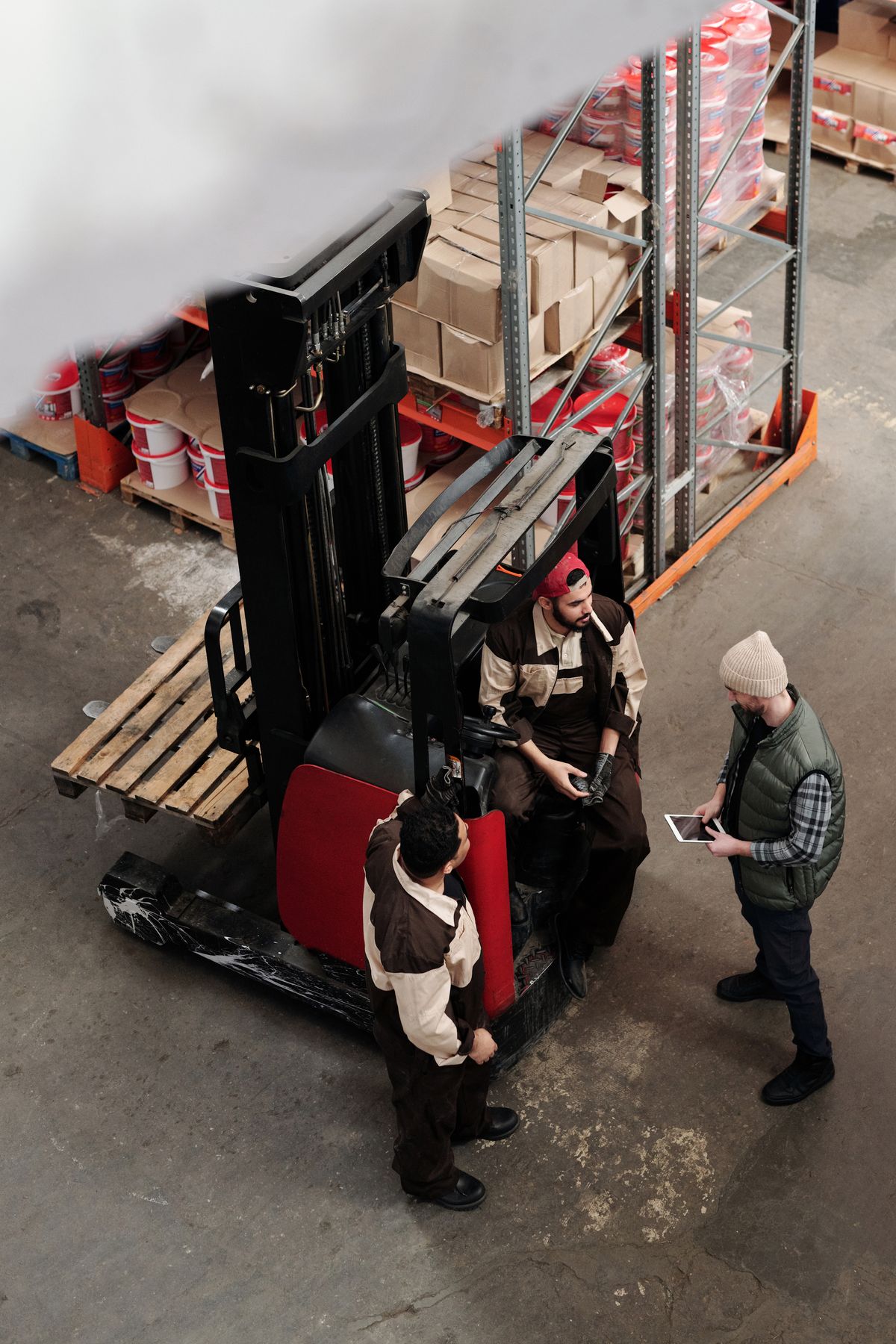
From a pallet staged for the FTWZ to a dedicated section for cleared stock in Gurgaon or Noida — the same records and handling across every regime.
- 01Cleared FTWZ stock heading to buyers
- 02Pre-zone staging
- 03Re-export consignments
- 04Bonded positions
- 05Overflow for seasonal lines
- 06Records & audit files
Considering an FTWZ position from Delhi NCR?
Tell us what you trade and where it needs to end up — the team confirms the Free Trade Warehousing Zone options, the NCR route and the fees in writing.
04 · The hard parts
Every 3PL operation carries the same pressures — these are the ones the space, the handling and the paperwork are planned around.
-
01
Documentation discipline
One wrong filing can stall an FTWZ consignment at the zone gate. The desk prepares and files before the goods move.
-
02
Zone operator coordination
Every zone operator runs its own SEZ systems. The desk reconciles your FTWZ records against the operator’s statements each cycle.
-
03
Currency paperwork
Sales in foreign currency need the trail banks and customs expect on an FTWZ trade — the desk keeps it on the file.
-
04
Dual-market inventory
The India book and the re-export book share the same duty-free stock. FTWZ records split them so nothing clears into the wrong lane.
05 · How Lozy helps
What the desk
handles.
8 operations, one contract. Pick one to see what it covers.
FTWZ (Free Trade Warehousing Zone – International) — priced to your volumes.
Share your trading pattern — products, volumes, hold times and the India-versus-re-export split. You get FTWZ options, Delhi NCR scope and rates, itemised in writing.
06 · Coverage
Delhi NCR first,
then India’s gateways.
The FTWZ desk runs from Delhi NCR — Gurgaon, Noida and the ICDs — while the zones themselves — SEZ enclaves — sit at the trade gateways. The network connects the two.
Boundary as India officially depicts it
Delhi NCR belt
- ICD Tughlakabad
- ICD Garhi Harsaru
- ICD Dadri
- IGI Airport cargo
- NSEZ Noida
- Dwarka Expressway belt
- Manesar industrial belt
- Ghevra corridor
Across India
- JNPT (Mumbai)
- Mundra
- Chennai
- Krishnapatnam
- Cochin
- Khurja (NCR)
- Kolkata
- Ahmedabad
Warehouses across the NCR belt and every major metro — stock sits close to where your customers are, and moves between sites through the same partner-fleet network.
07 · Pricing
Zone tariffs,
passed through as billed.
Each zone operator sets its own tariff — the Delhi NCR desk shows it to you as received, with the receipt attached. Lozy’s fee covers the work around the Free Trade Warehousing Zone.
- 01
FTWZ zone storage and handling passed through untouched
- 02
One written desk fee for FTWZ filings, records and coordination
- 03
Movement and network storage for the FTWZ in Delhi NCR, quoted as their own lines
- 04
Customs duty payable only when FTWZ stock clears for India
08 · Cost
FTWZ costs in Delhi NCR,
item by item.
The numbers every trader asks for — how an FTWZ engagement is priced from the Delhi NCR desk, and what a Lozy proposal covers.
-
01
Zone storage tariff
Set by the zone operator and passed through as billed — the desk never marks up the FTWZ tariff, and the receipt travels with the line.
-
02
Desk documentation fee
One written fee for the FTWZ entry and exit filings, records, reconciliations and coordination — fixed before the file opens.
-
03
Movement & network storage
Port-to-zone and zone-to-buyer transport for FTWZ stock, plus 77+ warehouse storage in Delhi NCR for cleared or staged stock — separate lines.
-
04
Duty — only at clearance
Basic Customs Duty, Social Welfare Surcharge and IGST apply only to the value cleared for India from the FTWZ, at the time of clearance.
09 · Good to know
Before you
enter a zone.
The questions Delhi NCR traders ask before putting stock under the regime — answered in plain words.
FTWZ in Delhi NCR
The desk runs from Delhi NCR — Gurgaon, Noida and the ICDs — because that is where north India’s importers sit. Traders in Delhi, Gurgaon and Noida run their FTWZ positions through the same desk that handles their bonded and duty-paid storage, with one record set across all three regimes and movement into the NCR warehouses planned in the same breath as the zone exit.
FTWZ vs customs bonded warehouse
A bonded warehouse defers duty for a limited period and is a storage arrangement. An FTWZ adds what trading needs: no time limit on storage, foreign-currency sales, value addition inside the zone, and re-export without ever touching Indian duty — duty is paid only when goods clear for the Indian market.
Where India’s FTWZs sit
India’s Free Trade Warehousing Zones cluster at the trade gateways — the Mumbai–JNPT belt, Mundra, Chennai, Krishnapatnam and Cochin at the coasts, with inland zones on the Delhi NCR corridor connected to the ports over the freight rail spine. The desk matches the FTWZ to your cargo and your market.
Who gains most from an FTWZ
Trading houses and re-exporters, electronics and machinery importers with long sell-through cycles, auto-parts lines that kit from multiple origins, and brands staging seasonal or launch stock duty-free. If stock holds months before it sells — and some of it sells outside India — the FTWZ usually beats paying customs duty up front.
How to choose an FTWZ set-up in Delhi NCR
Five checks that separate a working FTWZ position from a paperwork trap.
The zone, named
A proposal should name the actual zone, not “an FTWZ partner” — and the tariff should pass through untouched.
The records, reconciled
Ask how often the desk reconciles your FTWZ records against the operator’s statements, and whether you can see the file any day.
The exit lanes, planned
Re-export and India clearance from the FTWZ should be priced and filed as separate lanes, not one foggy exit.
The desk fee, written
One fee for the FTWZ desk work, in writing before anything moves — no discovery charges after the file opens.
The honesty, on the page
Anyone claiming to own zones you cannot visit is selling an address. Lozy says plainly: we do not own the FTWZ zones.
Frequently asked questions
How does FTWZ work from Delhi NCR?
Can I run an FTWZ position from Gurgaon or Noida?
What is the difference between an FTWZ and a customs bonded warehouse?
How long can goods stay in an FTWZ?
Can goods in an FTWZ be sold into India?
Can I trade in foreign currency from an FTWZ?
Does Lozy own the FTWZ zones?
Where are India’s FTWZs located?
What does it cost to use an FTWZ?
How do I start?
10 · Delhi NCR & gateways
FTWZ in Delhi NCR — and the gateways behind it
The Free Trade Warehousing Zone regime plays out from Delhi NCR first: the FTWZ desk in Gurgaon, the buyers in Delhi, Gurgaon and Noida, and the zones behind them at the trade gateways. Here is how it fits together.
Delhi NCR — the FTWZ desk, the ICDs and the rail spine
The desk runs from Gurgaon, with ICD Tughlakabad, ICD Garhi Harsaru and ICD Dadri around Delhi, IGI Airport cargo and NSEZ Noida on the Noida side, and inland Free Trade Warehousing Zone capacity on the Khurja corridor connected to the gateway ports over the freight rail spine. Imports railing in from JNPT or Mundra can hold duty-free inland in an FTWZ and clear for Delhi NCR buyers when the orders land — the whole engagement run through one Delhi NCR desk. See customs bonded warehouse.
The western gateway — JNPT and Mundra
India’s busiest container corridor carries the largest FTWZ volumes, and it feeds the NCR desk constantly. Zones on the Mumbai–JNPT belt and near Mundra serve electronics, machinery and auto lines, with containers railing north to the NCR ICDs over the dedicated freight corridor. The desk files FTWZ zone entries at the port the cargo lands at, and holds the record set from the gate inward. See the customs & EXIM services hub.
The southern gateways — Chennai, Krishnapatnam, Cochin
Chennai and Krishnapatnam carry the southern FTWZ belt — electronics, machinery and component lines — while Cochin’s SEZ sits on the commodity and spice routes. The desk matches the FTWZ to the cargo and the market, and the 77+ warehouse network receives cleared stock the same day it leaves any zone. See global freight forwarding.
A day on the FTWZ file
Inbounds are counted at the FTWZ gate against the entry filing; the record carries the SEZ reference, the value and the origin. Trades write to the FTWZ file as they close; value-addition work updates the lot; exits — re-export or India clearance — move the status line. The cycle reconciliation against the operator’s statement is the check that keeps the duty-free position honest.
What the duty deferral actually saves
Duty paid at the border is capital gone before a single unit sells. Under the FTWZ regime, Basic Customs Duty, Social Welfare Surcharge and IGST apply only to the value cleared for India, at the moment of clearance — so the cash works while the stock waits, and anything re-exported never pays Indian duty at all.
FTWZ vs domestic FTWZ service
The domestic FTWZ service covers duty-deferred holding for importers whose stock will sell into India, cleared in parts as orders land. The international Free Trade Warehousing Zone engagement is the full zone regime — indefinite holding, trading in foreign currency, value addition and re-export. One Delhi NCR desk runs both FTWZ engagements against the same record set.
Running an FTWZ from Gurgaon or Noida
Nothing about the FTWZ regime requires you to sit at the port. NCR traders run their FTWZ positions from Gurgaon and Noida offices: the desk handles the zone operator, files the documentation and moves cleared stock into the NCR warehouse network — the trader sees one record set and one contact, wherever the zone sits.
Value addition inside the zone
Quality checks, repacking, kitting and relabelling happen inside the FTWZ’s facilities, coordinated by the desk with before-and-after records. That is what turns an FTWZ position from a warehouse into a trading floor — goods leave as a different, sellable unit than they entered as.
Records a trading book can audit
Every charge arrives with the receipt it belongs to, every status update with the entry reference attached. The closing record set — entries, reconciliations, challans — is handed back with one reference covering the whole FTWZ lane, so the auditor never reconstructs a customs duty clearance from email threads.
How the zones price
FTWZ zone storage and handling are each operator’s tariff, passed through untouched with receipts. The desk fee covers the documentation, filings, records and coordination — one written number fixed before the file opens. Movement and Delhi NCR network storage for the FTWZ sit as their own lines on the same rate card.
Who the desk coordinates
One named contact runs the FTWZ file across four parties: the zone operator, customs, the transporter and the Delhi NCR warehouse. A status request gets answered with the entry reference attached, not forwarded — the discipline a duty-free FTWZ position demands.
More questions, answered
Can small importers use an FTWZ, or is it only for large trading houses?
What records does the desk keep for an FTWZ engagement?
Can stock move between the FTWZ and a bonded warehouse?
How is an FTWZ different from a normal warehouse in Delhi NCR?
What happens to goods that never sell?
Still comparing? Get the written duty-free FTWZ proposal.
Storage, handling and transport — itemised, in one reply. Compare providers like for like before you decide.
More from the Warehousing menu
19 services · one teamIndustries that move like yours
Industry walk-throughsRelated pages
Space, rates & more11 · Start
Move stock through
the FTWZ, duty-free.
Send your trading pattern and get the Free Trade Warehousing Zone options, the Delhi NCR route and the fees in writing. One desk, one record set,
rates in writing.Speak to a human · +91 9354712345
12 · Enquiry
Tell us what
you are trading.
FTWZ zone options, Delhi NCR route and fees — one short form, a written reply.
- Written, itemised quote after one requirement check
- Site options across Delhi NCR and India
- Onboarding in days once the rules are agreed
Contact our experts
One form, one reply — FTWZ scope and fees in writing
and across India.


