FMCG & consumer goods warehousing
The goods that never rest. A warehouse that doesn't either.
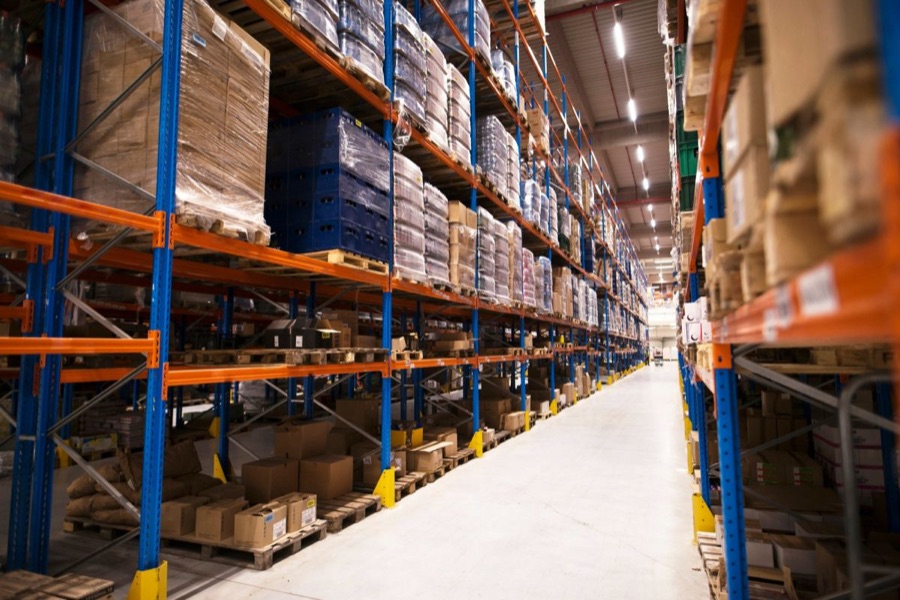
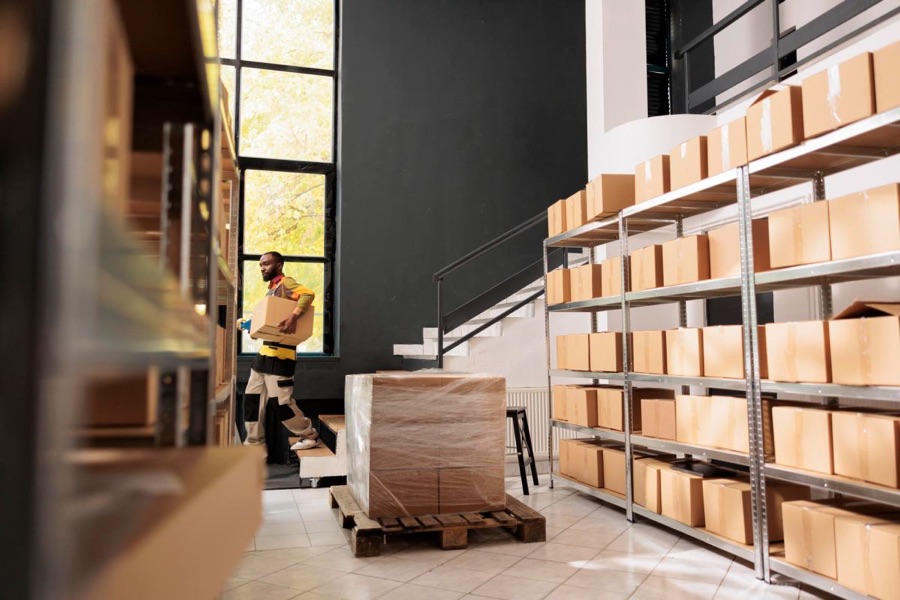
Snacks, soaps and staples move through Lozy at trade speed — batch records at the gate, first-in rotation on the shelf, and a dock that clears the same day it fills.
- Warehouses
- 34
- Locations live
- 25
- Collection centres
- 74
- States & UTs
- 19
01 · Batch truth
Nothing moves
without its batch code.
Snacks and soaps carry dates that decide what sells first — Lozy records them at the gate and turns stock in exactly the order you set.
What the warehouse knows about one carton
- Batch
- B-2410-218
- Location
- RACK-C08
- Stock
- 1,240 cases
- Status
- Available
Sample record, shown to illustrate how batches are tracked — not a live Lozy figure.
A trade scheme can double a week's volume and festive stock lands early — the space and the records scale together, so nothing dies in a corner waiting to be found.
02 · Intake to trade
From the truck
to the trade counter.
01 / 08
The FMCG walk-through — a returnable crate's journey, drawn as a sample.
-
01
Inbound
Palletised loads and returnable crates arrive against the day's advice notes.
-
02
Receive
Dates and batch codes read at the gate, counted carton by carton.
-
03
Store
Fast sellers racked nearest the dispatch lanes; slow movers slotted deeper.
-
04
Pick
Distributor indents assembled carton by carton, not pallet by pallet.
-
05
Pack
Mixed-carton orders taped, weighed and labelled for the route sheet.
-
06
Label
Marks and channel labels checked so stock lands on the right counter.
-
07
Dispatch
Routed to kirana, cash-and-carry and modern trade by lane and load.
-
08
Delivery
On the road before the order ages — batch-fresh to the counter.
03 · Every channel
Dealers, shelves,
and D2C — one pool.
Distributor indents, cash-and-carry loads and online orders all draw from the same counted stock — no channel finds out the hard way.
- Distributors
- Kirana counters
- Cash & carry
- Modern trade
- D2C orders
- 01 Distributor indent
- 02 Lozy warehouse
- 03 Pick
- 04 Pack
- 05 Ship
04 · Stock we hold
What can sit
in a Lozy rack.
FMCG brands, distributors and D2C sellers typically store fast sellers and slow movers under one roof. A single storage plan covers both — pallet bays for the lines that leave every week, shelves and mixed-carton sections for the SKUs that trickle out steadily.

- 01Packaged snacks and namkeen cartons
- 02Soaps, detergents and cleaning lines
- 03Personal care and daily-use products
- 04Household and kitchen consumables
- 05Multipacks, combos and festive bundles
- 06Trade-scheme and promotional stock
- 07New-launch stock awaiting rollout
- 08Slow-moving and discontinued lines
- 09Display units and point-of-sale material
- 10Cartons and packaging supplies
Hazardous, perishable or heavily leaking consignments need prior approval, and every intake should arrive with packaging intact and batch details legible on the outer carton.
Need space for FMCG & Consumer Goods stock?
Tell us what you store and where it needs to reach — the team confirms availability, the plan and the rates in writing.
05 · FMCG pressure points
Every industry carries its own pressure — these are the ones the space, the handling and the paperwork are planned around.
-
01
High turnover pressure
FMCG stock is meant to move, often within weeks of arrival. If receiving, picking and dispatch queue up in the same narrow area, vehicles wait, distributor orders slip, and fast lines quietly turn slow.
-
02
Batch and date discipline
Soaps, snacks and packaged goods carry batch codes and dates that decide what can be sold first. Mixed, undocumented stock leads to old stock going out late, returns from trade, and credit disputes nobody can settle.
-
03
Festive and scheme surges
Trade schemes, festive bundles and wedding-season demand can multiply volumes overnight. A fixed godown has no room for the surge, so stock sits in corridors or waits at the factory, both of them costly.
-
04
Mixed-carton order picking
Distributors order a little of many SKUs, not full pallets of one, so picking gets slow and error-prone unless the layout is built for mixed-carton assembly under time pressure and checked at loading.
-
05
Leak and odour risk
Detergent powder, soap and cleaning liquids leak and leave scents behind. One crushed pack can mark surrounding cartons, so stock needs sensible separation, intact packaging at intake, and prompt removal of damaged pieces.
-
06
Space close to market
FMCG economics reward warehouses near retail clusters and transport routes, but city-fringe rents built for factories and shops stretch budgets. The wrong location adds cost to every single delivery run.
06 · What Lozy runs
What runs
under one contract.
5 operations, one contract. Pick one to see what it covers.
07 · Getting started
From enquiry
to moving in.
Start with an enquiry and a short walkthrough of your SKU mix, batch pattern and dispatch calendar. The team maps the space you need, confirms a written quote, and schedules the first intake around your existing dispatch commitments.
-
01
Enquire
Share your product type, volumes and the city you need. The team confirms availability and shares rates in writing.
-
02
Site visit and requirement planning
Visit the shortlisted facility or plan remotely — space, access and handling are matched to your operation.
-
03
Onboarding
Documentation, check-in records and access setup are completed before your stock arrives, so day one runs clean.
-
04
Storage, fulfilment and dispatch
Stock is stored, managed and dispatched per your instructions, with monthly GST-invoiced billing.
08 · Why brands stay
-
01
Monthly billing with GST invoices and no lock-in keeps working capital in stock and schemes rather than fixed rent.
-
02
77+ Warehouses across our network support Delhi NCR operations and distributor supply across the country, keeping stock close to market.
-
03
Bulk pallets and mixed cartons are handled from one facility, so full-load dispatch and small distributor orders run on the same visit.
-
04
Batch-wise records and rotation on your instructions keep dated stock honest and trade disputes easier to settle with evidence.
09 · Coverage
Store here.
Deliver everywhere.
Warehousing sits where the orders are. Lozy runs 74 collection centres across 19 states and union territories — store in the right city and the last mile gets shorter.
Boundary as India officially depicts it
- 01 Warehouse
- 02 Fulfilment
- 03 Distribution
- 04 Customer
Every lane on the map is a real movement: stock received at a Lozy warehouse or collection centre, picked and packed there, then distributed to the customer — or moved between sites to be closer to demand.
Guwahati · Jorhat · Bengaluru · Patna · Coimbatore · Madurai · Puzhal & Ambattur · Red Hills (Chennai) · Sholavaram · Ahmedabad · Ankleshwar · Vapi · Ambala · Dharuhera · Faridabad · Garhi Harsaru · Jamalpur · Sonipat · Hyderabad · Jammu · Srinagar · Ranchi · Cochin · Indore · Aurangabad · Bhiwandi · Nagpur · Nashik · Pune · Alipur · Bamnoli · Dhulsiras · Bhubaneswar · Cuttack · Chandigarh · Ludhiana · Zirakpur · Jaipur · Ballia · Ghaziabad · Lucknow · Noida · Haridwar · Roorkee · Rudrapur · Kolkata · Siliguri
10 · Before you sign
Before you
start storing.
The questions FMCG & Consumer Goods teams ask before taking warehouse space — answered in plain words.
What does FMCG warehousing with Lozy involve?
FMCG warehousing with Lozy means holding soaps, detergents, packaged snacks and household lines in managed warehouse space, from full pallets to mixed cartons. Lozy records batches and dates at intake, rotates stock as instructed, and dispatches to distributors, retail counters and online buyers from Delhi NCR and across our India network.
What is FMCG warehousing?
FMCG warehousing is the storage and handling of fast-moving consumer goods — packaged snacks, soaps, detergents, personal care and household products — in a managed facility built for high turnover, where stock is received, recorded, rotated and dispatched to distributors, retailers and online channels.
Key points
- Palletised bulk and mixed-carton storage sized to your SKU mix
- Batch-dated intake records with stock rotation exactly as you instruct
- Space that scales for trade schemes, festive pushes and new launches
- Rapid in-and-out handling for weekly distributor despatch and top-up runs
- Monthly billing with GST invoices and no long lock-in period
Why FMCG stock needs a warehouse built for turn, not storage
Fast-moving lines are judged by how quickly they sell, so the warehouse that holds them has to be built for movement. Goods arrive in full pallets, get broken into mixed cartons for distributor orders, and leave in a steady daily flow. That rhythm needs receiving space, shelf picking, order assembly and loading bays that do not fight each other. When storage is designed around turnover — fast lines near dispatch, slow lines deeper in the rack — pickers spend their shift moving stock, not searching for it.
Planning around scheme season, festivals and new launches
FMCG volume does not arrive evenly. A trade scheme, a festive bundle or a wedding-season push can lift movement several times within a fortnight, and a new launch brings its own intake wave before the first sale. Brands that scale storage a few weeks early handle these peaks without renting extra godowns at short notice or cluttering dispatch lanes. A monthly plan makes the elasticity practical: take the space for the peak, keep the same facility through the year, and release what you no longer need once the surge settles.
What drives the cost of FMCG warehousing
Billing is monthly on the space and handling you use, with GST invoices you can pass through your accounts. The rate flexes with footprint, location, term and the way stock is handled — full-pallet dispatch costs less to run than piece-level picking across many SKUs. The sensible comparison adds handling and season elasticity to the headline rate, because the cheapest floor for slow-moving stock is rarely the cheapest warehouse for a fast-turn operation that must dispatch every day of the week.
How to choose a warehouse for FMCG & Consumer Goods
Brand managers, distributors and stock controllers choosing a warehouse for fast-moving lines should test it against the rhythm of FMCG supply — intake, rotation, dispatch — rather than the standards of general storage.
Plan for throughput, not just space
Adequate pallet positions matter less than how fast goods can move through them. Check receiving bays, aisle width for trolleys and forklifts, and where outbound vehicles queue during peak dispatch days.
Ask how batches get recorded
Your quality and trade teams will ask what went out and when. Confirm the facility records batch codes, packed or expiry dates and intake counts, and that it can rotate stock on the sequence you nominate.
Mixed-carton picking capability
Distributor orders usually mix many SKUs in small quantities. The warehouse should have shelf picking and order-assembly space, not just pallet floor, or every small order becomes a scramble at the gate.
Check season flexibility
FMCG demand swings with schemes and festivals. Prefer terms that let you add space before the season and release it afterwards, with a clear notice period and no penalties for right-sizing.
Handling of leak-prone goods
Detergent, soap and liquid lines need intact packaging, separation from sensitive stock and quick removal of damaged cartons. Ask what the team does when a pack bursts mid-pallet.
Location relative to your market
Storage near your distribution area cuts transit time and freight on every dispatch. Factor in how quickly a top-up truck can reach your largest distributors, not just how cheap the rent looks.
Paperwork that survives scrutiny
GST-compliant monthly invoices with a proper facility address keep accounts, input credit and distributor documentation clean. Informal arrangements save little and complicate everything badly at the end of the year.
Frequently asked questions
Can Lozy store both full pallets and loose cartons of FMCG stock?
How is batch-dated FMCG stock rotated at Lozy?
Can storage at Lozy scale up for trade schemes and festive demand?
What FMCG categories can be stored with Lozy?
What does FMCG storage cost with Lozy?
Do you support distribution to both kirana channels and D2C buyers?
How fast can stock move in and out of an FMCG warehouse?
Is shared warehouse space safe for branded FMCG stock?
Can our own team visit or work from a Lozy warehouse?
Explore the services
06 links
From the blog
03 reads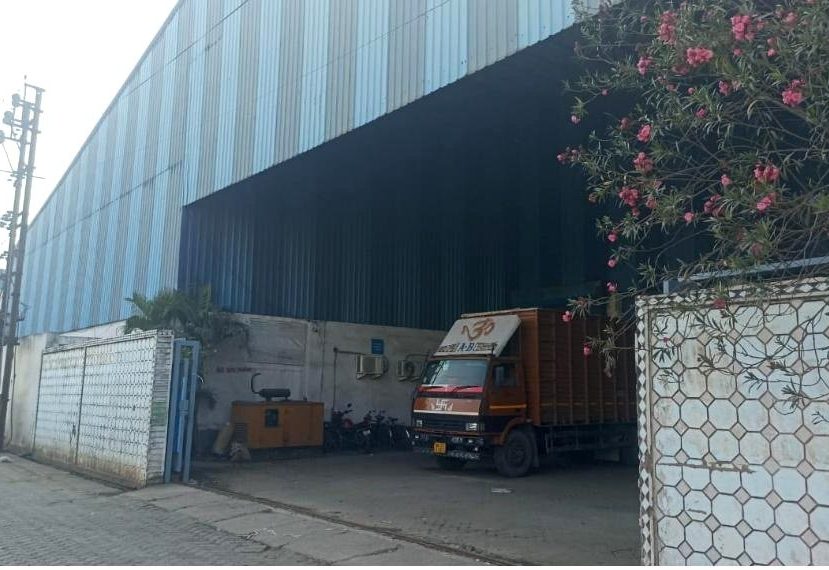
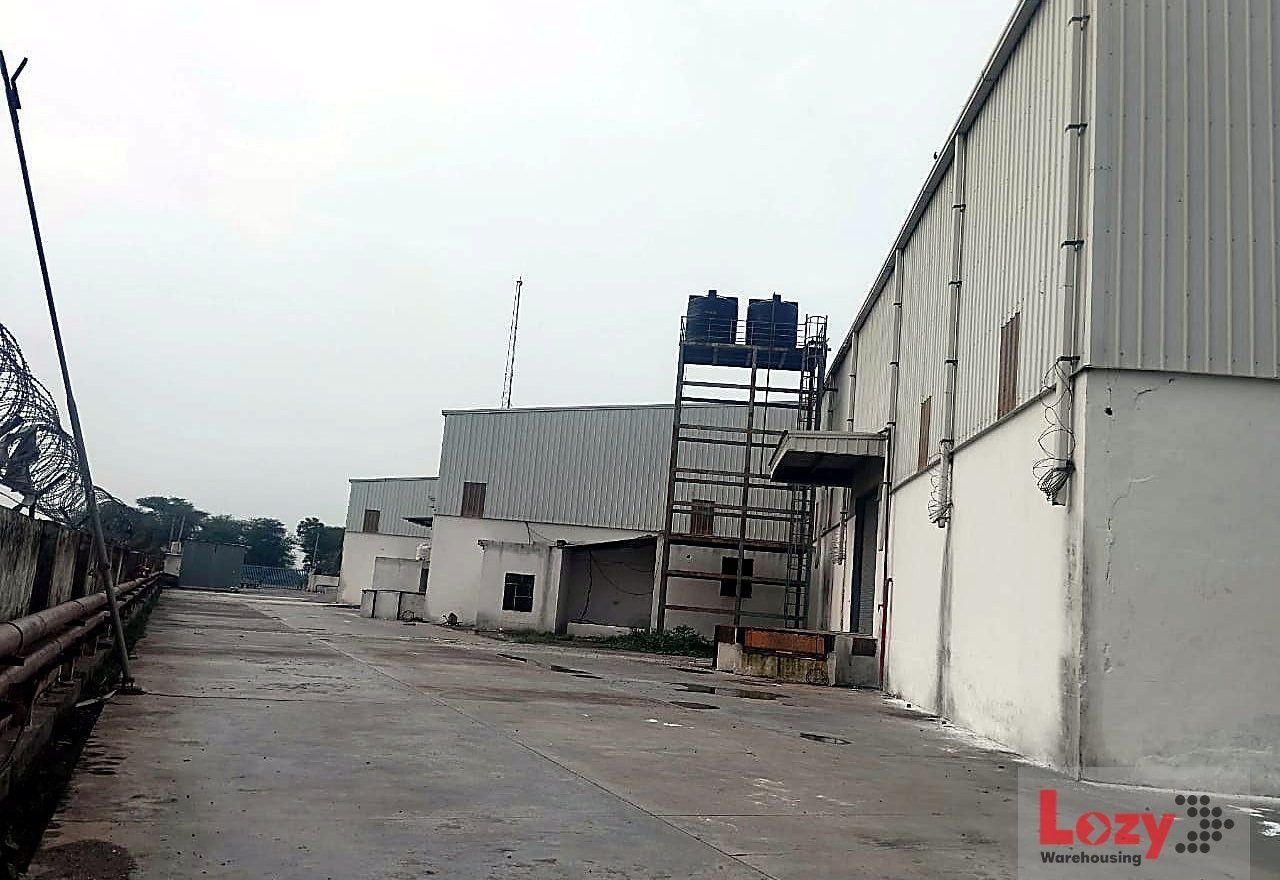
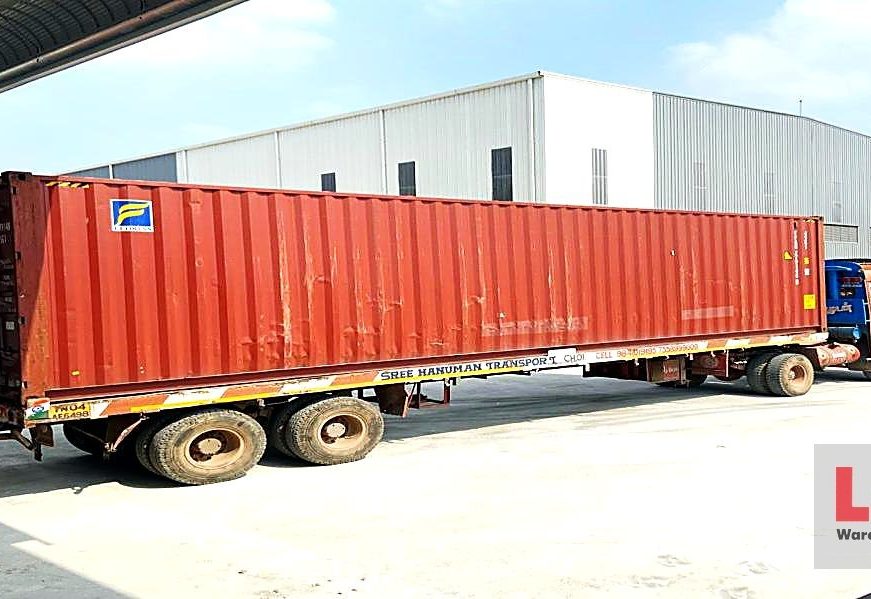
Locations
04 placesKeep exploring
Industries that
move like yours.
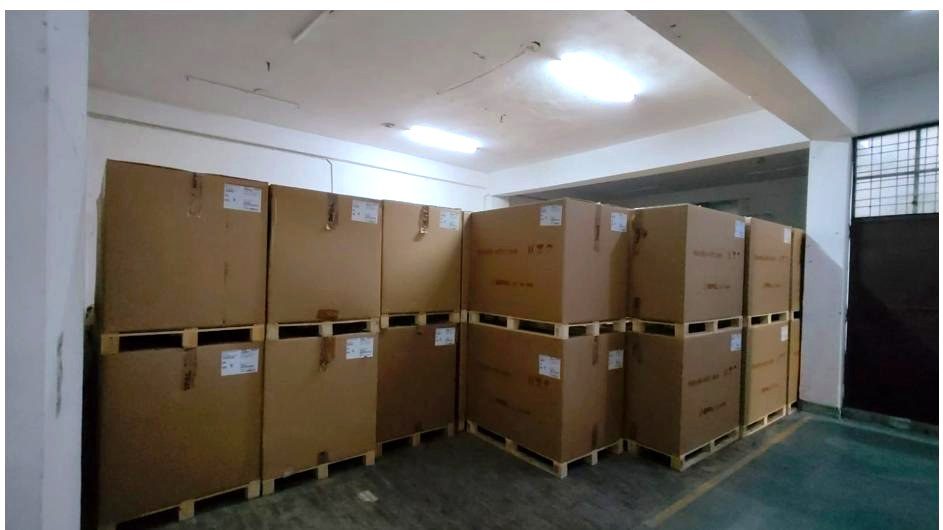
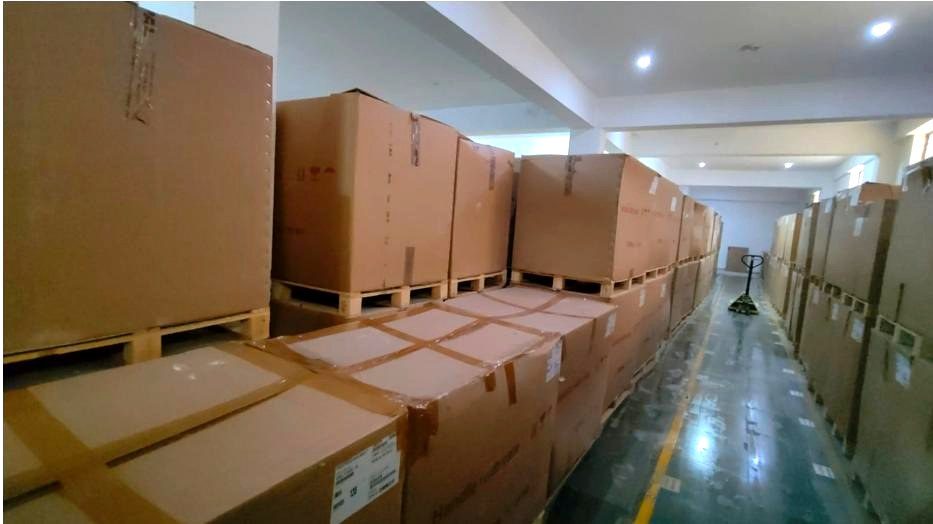
Every industry page runs the same eight-stop walk — these pages tell it again with their own cargo, their own records and their own rules.
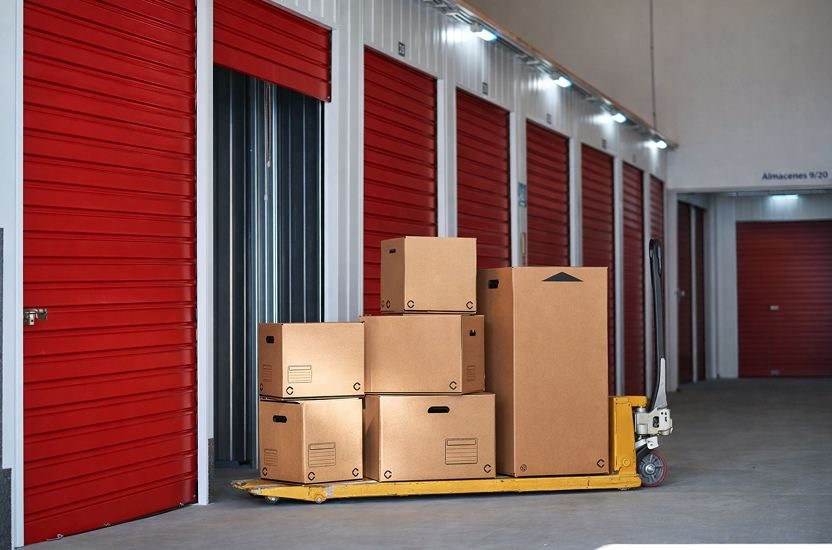 01
01
 02
02
 03
03
11 · Get started
The shelves can't wait.
Neither can your stock.
Send your SKU list and dispatch calendar.
Speak to a human · +91 9354712345
12 · Enquiry
Tell us what
you need to store.
Availability, plan and rates — one short form, a written reply.
- Tell us the industry, product and city — one short form or call.
- Get availability and rates in writing, itemised.
- Move in with documentation, access and records done before stock arrives.
Contact our experts
One form, one reply — FMCG & Consumer Goods availability and rates.