On-demand warehousing · Delhi NCR · Gurgaon · Noida
On-demand warehousing in Delhi NCR, Gurgaon, Noida.
Book space when you need it and hand it back when you don’t. Lozy’s on-demand warehousing flexes up for the festive rush, a product launch or an import landing — monthly, GST-invoiced, no long lock-in.
- Warehouses
- 227+
- Live space
- 75,348.1 Lakh+ sq ft
- Plans from
- ₹21 / sq ft
- Cities served
- 9 hubs
01 · Inventory truth
Every booking
is a dated record.
On-demand space lives and dies by dates. This is the record that follows one booking from first enquiry to final hand-back.
One on-demand booking, as recorded
- Client
- Your brand
- Space
- BAY-C4 · Okhla
- Window
- 15 Oct – 30 Nov
- Rate
- monthly · ₹21/sq ft
- Peak use
- 320 pallets · 62% fill
- Status
- Booked → Live → Released
Dates, rate and exit terms agreed before the first pallet
You commit to a window, not a lease: the rate, the dates and the exit terms are fixed in writing, and the record tracks every inward and outward until the space is handed back clean.
01 · The on-demand warehousing story
Peak season,
planned like a schedule.
01 / 08
One festive booking, followed end to end — how on-demand space runs at Lozy.
-
01
The calendar shows the empty bay.
You book the bay for a dated window — the record opens before any stock arrives.
-
02
Festive pallets flow in.
Inbound slots are pre-booked so the ramp keeps moving, not queueing.
-
03
Stock stacks to the peak.
Pallets build towards the season high, consolidated by SKU so picking stays quick.
-
04
Order waves hit the screen.
Daily waves release in priority order; the plan flexes when a channel spikes.
-
05
Dispatch rush.
Extra dock slots and trucks are lined up before the rush, not improvised during it.
-
06
Pallets flow back out.
As the wave passes, stock drains out on schedule — every dispatch on the record.
-
07
The next cycle opens.
Leftover stock consolidates or moves to long-term space; the bay is ready to book again.
-
08
Up, then down — on the board.
The space plan scales with the season, so you pay for the peak, not the year.
02 · Channels
Scale that
follows the calendar.
Festive sales, campaign launches, import landings — on-demand space absorbs the spike and hands the bay back after. One record, one team, no lease left behind.
- Festive season build-up
- Campaign launches
- Import landings
- Overflow & de-stuffing
- Promo kits & bundling
- Reverse-season space
- 01 Festive season build-up
- 02 Lozy warehouse
- 03 Pick
- 04 Pack
- 05 Ship
03 · Storage
What your stock
sits beside.
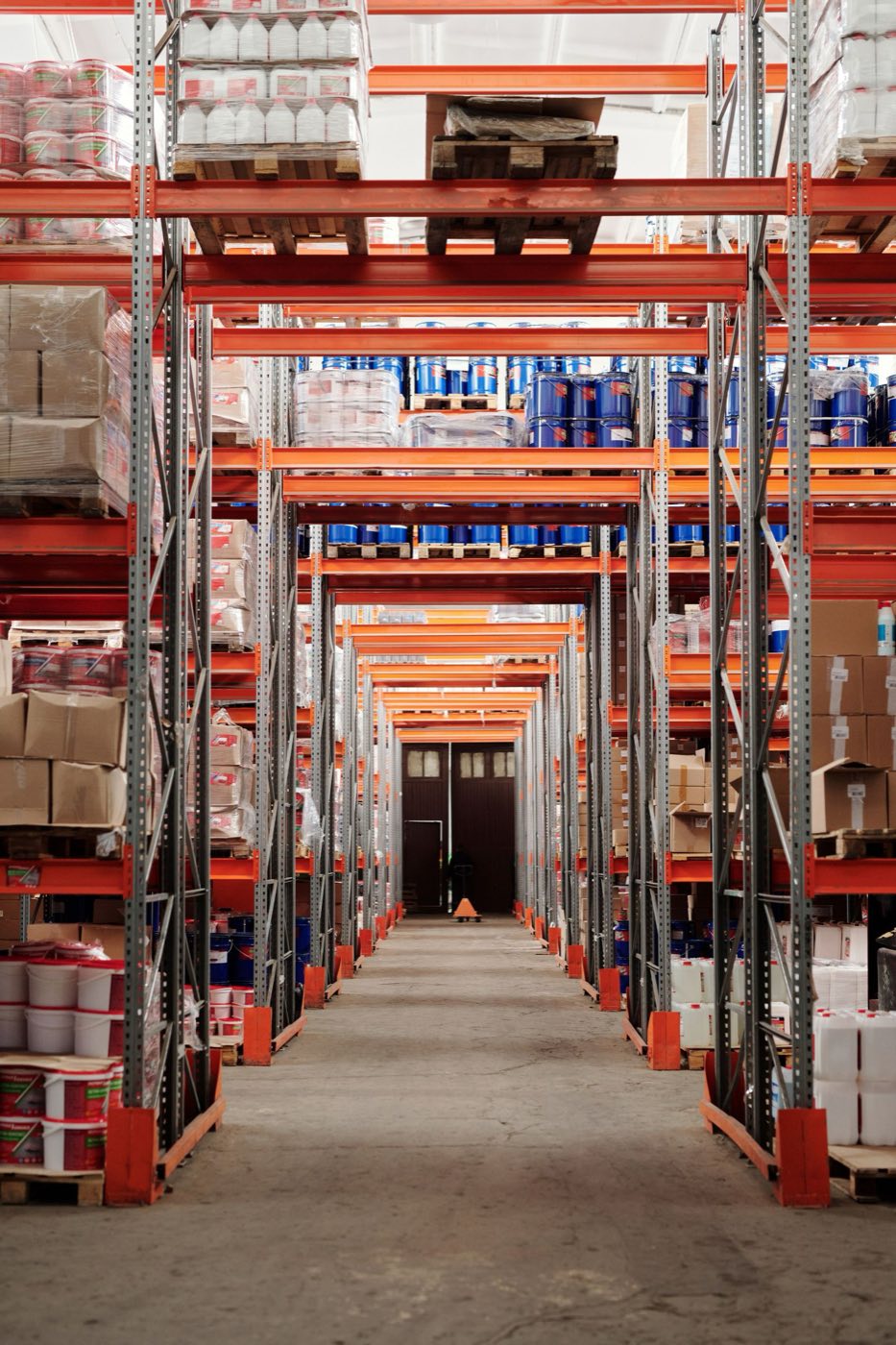
Book by the month, extend by the week — the same bay plan, records and handling whether you hold the space for six weeks or six months.
- 01Festive inventory build-up
- 02Launch & campaign stock
- 03Import overflow
- 04Bulk purchase deals
- 05Promo bundling & kitting
- 06Slow-season overflow
Need a 3PL partner in Delhi NCR?
Tell us what you store and where it needs to reach — the team confirms availability, the plan and the rates in writing.
04 · The hard parts
Every 3PL operation carries the same pressures — these are the ones the space, the handling and the paperwork are planned around.
-
01
Peaks you cannot predict
Forecasts overshoot and undershoot. Booking windows flex so space follows the actual spike, not the PowerPoint.
-
02
Space left empty after the peak
A yearly lease leaves you paying for empty racks in February. Hand the bay back when the wave passes.
-
03
Rushed inbound
Peak inbound collapses without dock slots. Pre-booked slots keep the ramp moving on the busiest days.
-
04
Exit without mess
Hand-back rules — counts, condition, consolidation — are agreed upfront, so leaving the bay is as clean as taking it.
05 · How Lozy helps
What the 3PL team
handles.
8 operations, one contract. Pick one to see what it covers.
On-Demand Warehousing — priced to your volumes.
Share your product list, volumes and cities. You get site options, the scope of work and rates, itemised in writing.
03 · Coverage
Peak space in the NCR,
and across India.
On-demand bays across the NCR belt and the metros — book where the season happens, close to your customers and your freight lanes.
Boundary as India officially depicts it
Delhi NCR belt
- Okhla
- Gurgaon
- Manesar
- Noida
- Greater Noida
- Ghaziabad
- Faridabad
- Bhiwadi
Across India
- Jaipur
- Mumbai
- Pune
- Ahmedabad
- Hyderabad
- Bengaluru
- Chennai
- Kolkata
Warehouses across the NCR belt and every major metro — stock sits close to where your customers are, and moves between sites through the same partner-fleet network.
07 · Pricing
Windows from
₹21 per sq ft a month.
Book a dated window on monthly, GST-invoiced terms. Extend by the week if the peak runs long, and pay only for the space and handling you use.
- 01
A dated booking — start, end, rate and exit terms in writing
- 02
Monthly billing for the space you hold, nothing after hand-back
- 03
Extend by the week when the season runs longer than planned
- 04
Handling quoted per pallet or per case, for your volumes
08 · Cost
On-demand warehousing charges in Delhi NCR,
item by item.
How on-demand space is billed — the line items behind a peak-season booking.
-
01
Space for the window
Plans from ₹21 per sq ft per month, billed for the booked window and nothing after hand-back.
-
02
Inbound handling
Unloading, counts and put-away quoted per pallet or per case, at your volumes.
-
03
Wave & dispatch handling
Picking, packing and loading quoted per order or per case during the rush.
-
04
Hand-back work
Consolidation, counts and condition checks at exit, priced once and agreed in advance.
09 · Good to know
Before you
sign a 3PL.
The questions Delhi NCR teams ask before handing over their warehousing — answered in plain words.
3PL on-demand warehousing in Delhi NCR
On-demand warehousing in Delhi NCR lets you book space for a dated window — a festive season, a campaign launch or an import landing — and hand the bay back when the wave passes. Lozy books space on monthly GST-invoiced plans from ₹21 per sq ft, with start and end dates, the rate and the exit terms fixed in writing before the first pallet lands. Pre-booked inbound slots keep the ramp moving at peak, wave picking clears daily order spikes, and at hand-back the leftover stock is consolidated, counted and closed out — so you pay for the peak, not the year.
3PL on-demand warehousing in Gurgaon
Gurgaon’s peak seasons — Diwali sales, festive launches and end-of-year promotions — test every warehouse. 3PL on-demand warehousing in Gurgaon absorbs the spike without a yearly lease: book the bay for the months you need, extend by the week if the rush runs long, and release it after. Dated windows, written rates from ₹21 per sq ft a month and pre-booked dock slots keep inbound flowing even on the busiest days, while hand-back rules mean the exit is as clean as the entry.
3PL on-demand warehousing in Noida
Noida-side sellers and manufacturers use 3PL on-demand warehousing when a purchase deal, a big export order or a festive catalogue suddenly needs space. Lozy books dated windows on monthly plans from ₹21 per sq ft, with the rate and exit terms in writing. Stock stacks to the peak by SKU so picking stays quick, order waves release daily, and extra dock slots are lined up before the rush instead of improvised during it. When the window closes, leftover pallets consolidate or move to long-term space, and the bay returns to the pool.
3PL on-demand warehousing across India
The same on-demand model runs across India: book dated space in Mumbai, Pune, Ahmedabad, Jaipur, Hyderabad, Bengaluru, Chennai or Kolkata, on the same monthly plans from ₹21 per sq ft. Lozy’s 77+ warehouses across our network — owned, leased and partner facilities — give a brand peak capacity in every metro where its sales spike, without carrying empty space for the rest of the year. Booking records track every inward and outward, so the season’s space cost is visible by the week.
How to choose on-demand warehousing in Delhi NCR
Five checks before you book peak-season space.
Dated, written windows
If the start and end dates are not in writing, you are renting, not booking.
Exit terms upfront
Know the hand-back counts, condition checks and consolidation rules before you book.
Dock capacity
Ask how many inbound vehicles the site can slot in a day during the peak.
Extension rights
Peaks run long — check that you can extend by the week at the same rate.
Records for the window
You should get in-and-out reports by week, so the booking can be audited.
Frequently asked questions
What are on-demand warehousing charges in Delhi NCR?
How much does seasonal warehouse space cost per sq ft?
Which areas of Delhi NCR offer on-demand warehousing?
Can I extend my booking if the season runs long in Gurgaon?
What is the difference between on-demand warehousing and a fixed lease?
How fast can I move stock into an on-demand bay?
Do I pay for the space after the booking ends?
What happens to leftover stock when the window closes?
How are inbound slots managed during the festive rush?
What do I need to share to book on-demand space?
10 · City by city
On-demand warehousing across Delhi NCR, Gurgaon and Noida
One dated booking window, three working belts. How the same space-that-flexes model behaves across Delhi NCR, what on-demand warehousing costs in Gurgaon and Noida, and where the seasonal pallets actually sit.
On-demand warehousing in Delhi
Delhi suits on-demand space that must sit beside the demand that spikes: festive stock for same-day city dispatch, launch inventory for metro pin codes, and campaign overflow that cannot wait on a cross-city haul. For a seller shipping across Delhi NCR, on demand warehousing from the Delhi belts means the stock sits hours, not states, from the buyer. Lozy books dated windows on the live belts — the Dwarka and IGI corridor, where the 22,000 sq ft Yashobhumi floor and the Dhulsiras godown minutes from the airport hold peak stock beside the courier gateways, and the Ghevra–Rohtak Road stretch, which serves the Mundka, Narela and Bawana belts on NH-10. Because the hub sits inside Delhi NCR rather than a state away, same-day dispatch to Delhi pin codes and next-morning runs to Gurgaon and Noida stay short, and inbound slots are pre-booked ahead of the rush so the ramp keeps moving. The window extends by the week when the peak runs long, and hand-back is counts and condition checks agreed before the first pallet lands. You hold the bay for the months the season runs, from ₹21 per sq ft per month on GST-invoiced monthly billing with no lock-in, then release it when the wave passes. See on-demand warehousing in Delhi.
On-demand warehousing in Gurgaon
When the pallet count climbs past what a city floor can hold, Gurgaon is where the spike space goes. On demand warehousing at the Farrukhnagar cluster adds pallet positions before a sale season and releases them after it, on the same monthly plan, and the KMP-loop cluster runs the dock-dense units — a 1.5 lakh sq ft floor with 24 docks among them. The Garhi Harsaru ICD-side unit sits behind the cluster for import landings, and the Pataudi Road and Jamalpur floors absorb bulk overflow, so a peak that outgrows one Gurgaon unit spills into the next belt without a second negotiation. Windows book from ₹21 per sq ft per month on GST-invoiced monthly billing, with pre-booked dock slots keeping the ramp moving on the busiest days, and the window extends by the week when the rush runs long. For Delhi NCR sellers, that depth sits a short run from Delhi pin codes and the Noida corridor. Every floor runs CCTV monitoring with PIN access, and nothing bills after the window closes. See on-demand warehousing in Gurgaon.
On-demand warehousing in Noida
Spike coverage for Noida runs across the Eastern Peripheral Expressway, not from a Noida lease: Lozy runs no unit inside the city today, so seasonal stock sits at the Gurgaon-side and Delhi-side hubs, 30–45 minutes from the sectors, and the corridor does the commuting. On demand warehousing reaches the Noida sectors the same way every other Lozy service does — over the Eastern Peripheral Expressway, with the bay booked at the network hubs and the corridor leg named on the rate card. Sellers feeding the Greater Noida marketplace hubs book dated windows for festive catalogues; importers clearing at ICD Dadri hold peak stock the same day it clears; and when the wave passes, the bay releases — nothing left behind but the record. Plans start from ₹21 per sq ft per month on GST-invoiced monthly billing with no lock-in, and windows extend by the week when a campaign runs long. It is the same on-demand warehousing a Delhi NCR buyer gets on any other belt, just priced for the corridor. The route plan already reaches the Jewar corridor, so seasonal stock stays positioned for the air-cargo shift when the airport opens. See on-demand warehousing in Noida.
How on-demand space differs from a godown lease
A lease charges for the year whether the racks are full or empty; a booking charges for the window. On-demand warehousing opens a bay for dated start and end, with the rate and the exit terms in writing before the first pallet lands, and closes it clean at hand-back — counts, condition and consolidation agreed in advance. For a business whose volumes swing with festivals, launches or import landings, the window is the point: pay for the peak, not the February after it, and book the next window when the next wave is visible. Across Delhi NCR, that math plays out the same in Gurgaon and Noida — the bay is rented for the spike, not the calendar.
What a booked window costs in Delhi NCR
Space books from ₹21 per sq ft per month for the dated window, billed monthly on a GST invoice with no lock-in — the same starting rate across the network, whichever belt the bay sits on. Handling is quoted separately, per pallet or per case at your volumes, and hand-back work is priced once and agreed before the window opens. The split matters: a single bundled number cannot be compared against the next provider, and in Delhi NCR, where belt rents vary sharply between airport-adjacent space and the outer corridors, the comparison is where the money is. On-demand warehousing in Delhi NCR keeps that comparison honest — the rate card lists the corridor legs to Gurgaon and Noida as named lines, so nothing arrives as a surprise surcharge later.
A festive peak, run end to end
On demand warehousing suits exactly that shape: the calendar opens the booking before any stock arrives. Inbound slots are pre-booked against the arrival plan, so vehicles unload on time instead of queueing at the gate; pallets consolidate by SKU so picking stays quick as the season builds; daily order waves release in priority, with extra dock slots lined up ahead of the rush rather than improvised during it. When the wave passes, stock drains out on schedule, leftover lines consolidate or move to long-term space, and the bay returns to the pool — up, then down, on the board. The same run works for a Delhi NCR festive push, a Gurgaon import landing or a Noida marketplace campaign, because on-demand warehousing books the identical sequence whichever belt the bay sits on.
Where spike stock sits — Delhi, Gurgaon or Noida
It depends on what spikes. Delhi windows suit festive stock that must reach city pin codes the same day; Gurgaon windows suit pallet-heavy peaks that need dock-dense space and the Farrukhnagar cluster; Noida peaks run across the EPE from the network hubs, with ICD Dadri filing for import landings. One account can hold all three: the desk proposes the belt from your volumes and dispatch cities, and stock can move between belts monthly on the same record set — the window is the commitment, not the postcode. For a brand selling across the whole of Delhi NCR, the practical answer is usually a Delhi bay for dispatch speed, a Gurgaon bay for pallet depth, and a Noida corridor line for the marketplace sellers — and on-demand warehousing lets the mix change season to season.
Industries that book seasonal space
Festive catalogues, campaign launches, import landings and bulk purchase deals all land in the same queue. E-commerce and retail sellers spike before every sale season, FMCG lines build distribution stock for festival windows, B2B wholesalers carry deal stock, and importers hold cleared containers until the market draws. Each group books the same dated window on the same monthly plan, and each carries its own pages: E-commerce and retail warehousing and FMCG warehousing. Send the SKU list and the dates, and the desk returns availability, the window, the rate and the hand-back terms in writing. On-demand warehousing serves all of them from the Delhi NCR hubs, with Gurgaon handling the pallet-heavy FMCG depth and Noida the marketplace-facing e-commerce stock. For each of them, on demand warehousing is the flexible layer between a steady godown and a missed season.
Scaling the Farrukhnagar cluster without a Gurgaon lease
The cluster is built for exactly this problem. Pallet positions are added on the dock-dense Farrukhnagar units before the spike and released after it, so a Gurgaon operation carries festive depth without signing a godown lease for the year. Because the network runs 77+ warehouses and 1M+ sq ft of live space, a peak that outgrows one unit spills into the next — Garhi Harsaru, Pataudi Road or the Jamalpur distribution centre — without a second negotiation or a second agreement, and the window extends by the week when the rush runs long. On-demand warehousing in Gurgaon also shortens the distance problem: a Delhi NCR seller whose stock lives in Gurgaon reaches Delhi pin codes and Noida corridors on the same daily runs the network already operates, so the spike stays mobile.
The Noida corridor model, and the wider network
Spike coverage for Noida runs across the Eastern Peripheral Expressway from the Gurgaon-side and Delhi-side hubs on daily corridor runs — 30–45 minutes hub to sector, named as its own line on the rate card instead of a phantom Noida address. The same dated-window model runs in Ghaziabad, Faridabad and the rest of the network on the same monthly plan, and every unit bills on a GST invoice with CCTV monitoring and PIN access. For teams selling into Noida, on-demand warehousing means the corridor does the commuting while the bay stays on the books only for the campaign; the same honesty rule applies across Delhi NCR — if a hub is in Gurgaon, the rate card says Gurgaon, and if a market is in Noida, the corridor line says Noida. See the full 3PL services hub for the other eighteen services.
How the monthly no-lock-in plan plays across Delhi NCR
The plan is the same line wherever the bay sits. On-demand warehousing bills from ₹21 per sq ft per month on a GST invoice with no lock-in in Delhi NCR, in Gurgaon and in Noida alike, because the desk prices the window, not the postcode. A Delhi NCR seller can start with a Delhi bay for festive dispatch, add a Gurgaon bay when pallet depth climbs, and run the Noida corridor for marketplace sellers — all on one record set, with one monthly billing cycle and one hand-back discipline. On demand warehousing also means the rate stays visible: when the window closes in Delhi NCR, billing stops at the agreed exit date, the same as it does in Gurgaon and Noida.
On-demand warehousing vs long-term space in Gurgaon and Noida
The choice is usually a mix, not an either-or. Long-term space suits a steady baseline; on-demand warehousing suits the part that swings. In Gurgaon, a brand might keep a running line at the Farrukhnagar cluster and open dated windows on top of it for the sale season; in Noida, the baseline can live at the Gurgaon-side hubs while the corridor leg carries the spike. On demand warehousing — booked by the week or by the month, with the exit terms in writing — is what keeps that swing from forcing a year-long lease. The same applies across Delhi NCR, where the rate card quotes the corridor and the bay separately, so a Gurgaon bay and a Noida campaign never get blurred into one number.
More questions, answered
What are on-demand warehousing charges in Delhi NCR?
Can I book seasonal warehouse space in Gurgaon without a long-term contract?
How does on-demand warehousing in Noida work without a unit in the city?
How fast can festive stock move into a Delhi window?
What happens to leftover stock when a Gurgaon window closes?
Is on-demand warehousing available across all of Delhi NCR?
Can on-demand warehousing handle both Delhi dispatch and Gurgaon storage in one plan?
Still comparing? Get the written rate card.
Storage, handling and transport — itemised, in one reply. Compare providers like for like before you decide.
More 3PL services
19 services · one teamIndustries that move like yours
Industry walk-throughsRelated pages
Space, rates & more11 · Start
Hand over the
warehouse work.
Send your stock list, volumes and cities. You get site options, scope and
rates in writing.Speak to a human · +91 9354712345
12 · Enquiry
Tell us what
you need stored.
Availability, plan and rates — one short form, a written reply.
- Written, itemised quote after one requirement check
- Site options across Delhi NCR and India
- Onboarding in days once the rules are agreed
Contact our experts
One form, one reply — 3PL availability and rates in Delhi NCR
and across India.