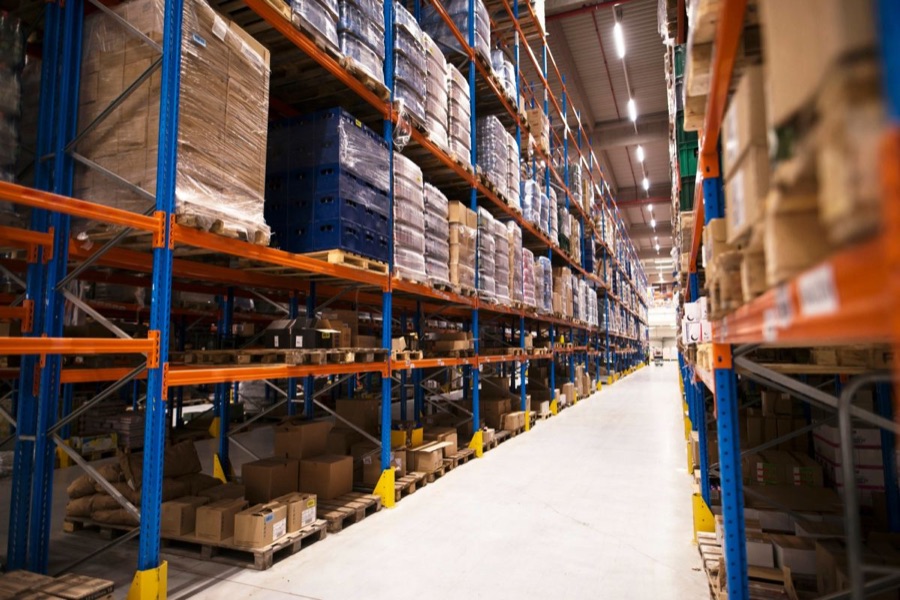
Commodities storage · Delhi NCR · Gurgaon · Noida
Commodities storage in Delhi NCR, Gurgaon, Noida.
Store bulk bags, grains and agri-stock in stack yards with weighbridge, quality checks and lot-level records — without building your own godown. Lozy 3PL commodities storage runs from warehouses across the network.
- Warehouses
- 227+
- Live space
- 75,348.1 Lakh+ sq ft
- Plans from
- ₹21 / sq ft
- Cities served
- 9 hubs
01 · Inventory truth
Every lot
weighs on the record.
Commodity stock changes with every bag in and out. This is what the record shows for one lot — weight, quality and movement, checkable at any time.
What the yard knows about one lot
- Commodity
- Wheat · lot L-2207
- Storage
- Stack yard · Manesar
- Quantity
- 2,400 bags · 120 MT
- Weighbridge
- In 120.4 MT · out on load
- Quality check
- Moisture & fumigation logged
- Movements
- In → Stack → Fumigate → Out
Live lot record · updated per movement
Every inward is weighed on the weighbridge, every lot is stacked with its own record, and quality checks are logged before release. Weight and count stay yours to verify at any time.
01 · The commodities story
From bulk inflow
to bulk dispatch.
01 / 08
One lot of bags, followed end to end — the way Lozy runs commodities storage from Delhi NCR.
-
01
Bulk bags arrive.
Trucks carry bags and bulk consignments to the yard gate, documents in hand.
-
02
Weighed on the bridge.
Inbound weight is recorded on the weighbridge and matched against the delivery documents.
-
03
Stacked in the yard.
Bags are stacked lot by lot on raised platforms, with lot boards at every stack.
-
04
Quality checks run.
Moisture, damage and fumigation checks are logged against the lot record.
-
05
Lot board updated.
Counts, stack positions and treatment status go on the board and the register.
-
06
Loading with shovel.
Bags move by shovel and manual handling from stack to truck, weighed again as they load.
-
07
Bulk dispatch out.
Full trucks leave with weighbridge slips, invoices and e-way bills.
-
08
Stock register closed.
In, out and balance close against the weighbridge for the day — no drift.
02 · Channels
One lot register.
Every buyer served.
Commodity stock sits once in the yard. Mills, traders, processors and wholesalers draw from the same lot register, so counts and weights stay straight.
- Traders & mandis
- Flour mills
- Processors
- Wholesalers
- Feed manufacturers
- Agri input dealers
- 01 Traders & mandis
- 02 Lozy warehouse
- 03 Pick
- 04 Pack
- 05 Ship
03 · Storage
What your stock
sits beside.
From a few hundred bags to full stack yards — the same weighbridge, lot records and quality checks at any volume.
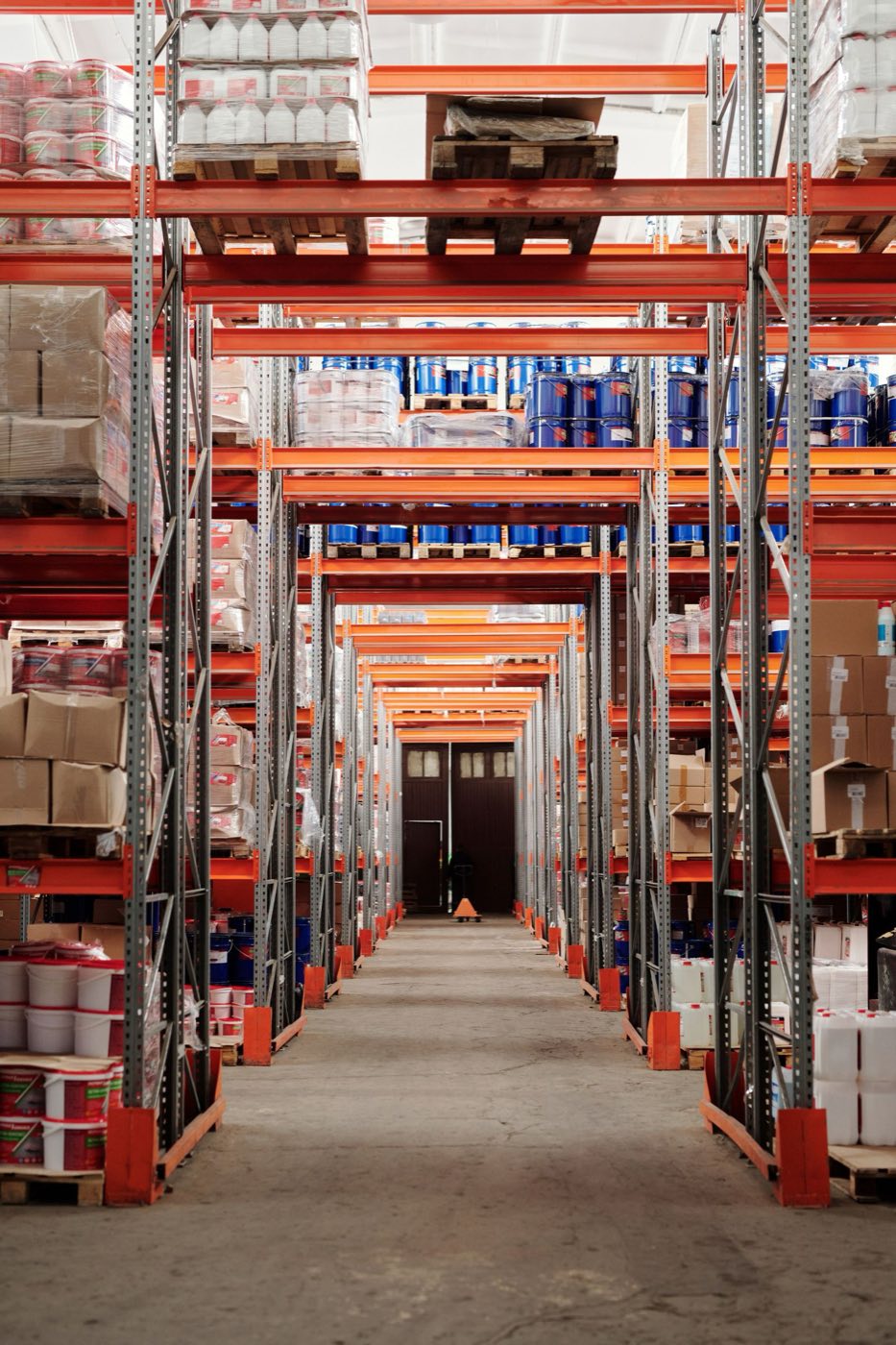
- 01Grains & pulses
- 02Cattle feed & oil cakes
- 03Sugar & jaggery
- 04Oilseeds & spices
- 05Fertilisers & agri inputs
- 06FMCG raw materials
Need a 3PL partner in Delhi NCR?
Tell us what you store and where it needs to reach — the team confirms availability, the plan and the rates in writing.
04 · The hard parts
Every 3PL operation carries the same pressures — these are the ones the space, the handling and the paperwork are planned around.
-
01
Weight drift
Bags move daily and weights drift if unrecorded. The weighbridge closes every inward and outward against the lot.
-
02
Moisture & pests
Quality checks, fumigation and rotation are logged per lot, so a bad bag never hides in a good stack.
-
03
Stack collapse risk
Stacking follows set heights and lot spacing, so yards stay walkable and safe for counting.
-
04
Paperwork on dispatch
Weighbridge slips, invoices and e-way bills are ready before the truck leaves the yard.
05 · How Lozy helps
What the 3PL team
handles.
8 operations, one contract. Pick one to see what it covers.
Commodities Storage — priced to your volumes.
Share your product list, volumes and cities. You get site options, the scope of work and rates, itemised in writing.
03 · Coverage
Delhi NCR first,
India wide.
Lozy commodities storage runs from yards and warehouses across the NCR belt and every major metro — bulk stock sits close to mandis and buyers.
Boundary as India officially depicts it
Delhi NCR belt
- Okhla
- Gurgaon
- Manesar
- Noida
- Greater Noida
- Ghaziabad
- Faridabad
- Bhiwadi
Across India
- Jaipur
- Mumbai
- Pune
- Ahmedabad
- Hyderabad
- Bengaluru
- Chennai
- Kolkata
Warehouses across the NCR belt and every major metro — stock sits close to where your customers are, and moves between sites through the same partner-fleet network.
07 · Pricing
Plans from
₹21 per sq ft a month.
Monthly, GST-invoiced terms with no long lock-in. Weighbridge, quality checks and handling are quoted on top, for your volumes.
- 01
Written, itemised quotes after one requirement check
- 02
Monthly billing tied to the yard space you use
- 03
Weighbridge and quality checks quoted per lot
- 04
No hidden charges — every line on the quote is explained
08 · Cost
Commodity storage charges in Delhi NCR,
item by item.
The numbers commodity traders ask for — how commodities storage pricing in India is built, and what a Lozy quote covers.
-
01
Yard space
Plans from ₹21 per sq ft per month, billed monthly and GST-invoiced, with no long lock-in.
-
02
Handling & loading
Unloading, stacking and loading with shovel support, quoted per bag or per MT.
-
03
Weighbridge & quality checks
In-out weighing, moisture checks and fumigation quoted per lot or per consignment.
-
04
Transport
Bulk and bagged dispatch through partner fleets, priced per trip on the lane.
09 · Good to know
Before you
sign a 3PL.
The questions Delhi NCR teams ask before handing over their warehousing — answered in plain words.
Commodities storage in Delhi NCR
Lozy's commodities storage in Delhi NCR keeps bulk bags, grains, pulses, oil cakes and agri-stock in stack yards with a weighbridge, lot boards and quality checks written into the daily routine. Every truck is weighed on entry and exit, with slips matched to the lot register, so in, out and balance close every day without drift. Bags are stacked lot by lot on raised platforms at set heights, and moisture, damage and fumigation checks are logged before release. Traders, mills and processors across the NCR draw from the same register, and dispatch leaves with weighbridge slips, invoices and e-way bills. Plans start at ₹21 per sq ft per month.
Commodities storage in Gurgaon
Traders and processors supplying the NCR from Gurgaon use Lozy's commodities storage to hold bulk stock close to their buyers without maintaining a yard of their own. Inbound trucks are weighed on the bridge, bags are stacked lot by lot with lot boards, and quality checks are logged per lot before any release. Fumigation and rotation keep moisture and pests from spoiling quiet stacks, and every dispatch closes against the weighbridge with invoices and e-way bills ready at the gate. Monthly GST-invoiced plans start at ₹21 per sq ft, with handling and quality checks quoted per lot in writing.
Commodities storage in Noida
For feed manufacturers, flour mills and wholesale traders on the Noida side of the belt, Lozy's commodities storage puts bulk stock minutes from Ghaziabad and Greater Noida buyers instead of hours away. Lots are stacked on raised platforms with boards showing commodity, quantity and treatment status, and the weighbridge closes every inward and outward the same day. Loading runs with shovel support from stack to truck, so a full dispatch truck clears the yard without keeping the driver waiting. Storage plans start at ₹21 per sq ft per month, billed monthly and GST-invoiced, with no long lock-in.
Commodities storage across India
Beyond Delhi NCR, Lozy's commodities storage runs from 77+ warehouses across owned, leased and partner facilities in Mumbai, Pune, Ahmedabad, Jaipur, Hyderabad, Bengaluru, Chennai and Kolkata. One lot register and one weighbridge discipline apply at every yard, so multi-city commodity positions reconcile the same way everywhere. Grains, pulses, oil cakes, sugar, oilseeds and agri inputs are stacked lot-wise, checked for moisture and damage, and dispatched with weighbridge slips, invoices and e-way bills. Partner-fleet transport moves bulk and bagged loads lane by lane. Plans start at ₹21 per sq ft per month.
How to choose a commodities warehouse in Delhi NCR
Five checks that separate a managed yard from an empty plot.
A working weighbridge
Ask to see the weighbridge slip format. If weights are estimated, the register cannot be trusted.
Lot-level records
Every stack should carry a lot board, and every movement should close against the register.
Quality discipline
Moisture checks and fumigation logged per lot, not done from memory.
Written rates
Yard space, handling and weighbridge charges quoted separately, in writing.
Flexible terms
Monthly plans with no long lock-in let you test the yard before scaling.
Frequently asked questions
How much does commodity storage cost in Delhi NCR?
What commodities can be stored in a warehouse?
How are weights recorded in commodities storage?
Which areas of Delhi NCR does Lozy cover for commodity storage?
How fast can commodity storage start in Gurgaon or Noida?
How are lots kept separate in the yard?
What quality checks run before release?
What are commodity warehouse charges per bag in India?
Can you arrange transport from the yard?
How are stock registers shared with traders?
10 · City by city
Commodities storage across Delhi NCR, Gurgaon and Noida
One lot register, three working belts. How the same commodity service behaves differently in each NCR city — and where your bulk stock actually stacks.
Commodities storage in Delhi
Delhi suits commodity stock that must sit close to the mandis and the west industrial belts. Lozy runs bulk godowns on the Ghevra–Rohtak Road corridor, near Ghevra Metro, serving the Mundka, Narela and Bawana belts where manufacturing, building-materials and FMCG lines move on NH-10, plus an Alipur unit in outer Delhi with a 20,000 sq ft godown on a larger campus. Bags stack lot by lot on raised platforms with lot boards, every truck weighs on the bridge in and out, and moisture and fumigation checks log against each lot before release. Commodities storage in Delhi runs from the network rate — ₹21 per sq ft per month, GST-invoiced with no lock-in — with handling quoted per bag or per MT, so west-belt buyers never chase stock across the city. Rates vary sharply between Okhla, Bawana, Dwarka and outer Alipur, so the written quote spells out the yard, the weighbridge line and the handling rate separately. The Delhi leg anchors the Delhi NCR network on the mandi side, while Gurgaon takes the rail-linked and containerised stock and Noida runs the corridor dispatches. See 3PL warehouse services in Delhi.
Commodities storage in Gurgaon
Bulk lots and the rail-linked ICD live in this belt. The Farrukhnagar cluster on the KMP loop carries the dock-heavy bulk floors — including the 1.5 lakh sq ft, 24-dock unit — while the 2.5 lakh sq ft facility beside the Garhi Harsaru ICD holds importers' containerised stock a short haul from the dry port. Lozy also runs a stack yard at Manesar on the same weighbridge and lot-board discipline. Traders, flour mills and processors use Gurgaon commodity space for bag positions Delhi's tighter belts price out of, and the KMP loop feeds northern-state traffic without entering Delhi. Importers clearing at the dry port can stack the same container lots a short haul away, and mandi-bound wholesalers dispatch full trucks with weighbridge slips, invoices and e-way bills from one gate. Plans run from ₹21 per sq ft per month, GST-invoiced with no lock-in. For importers, Gurgaon commodities storage beside the dry port removes the empty-leg haul deeper into Delhi NCR. See 3PL warehouse services in Gurgaon.
Commodities storage in Noida
Bulk buyers drive this belt — feed manufacturers, flour mills and wholesale traders — and the honest position is this: Lozy runs no yard inside the city today. Noida commodity lots sit in the Gurgaon-side and Delhi-side hubs, 30–45 minutes across the Eastern Peripheral Expressway, with container filing at ICD Dadri, one of north India's largest dry ports. Export customs clear at NSEZ Noida. Lots bound for Ghaziabad and Greater Noida buyers move as corridor dispatches with weighbridge slips, invoices and e-way bills ready at the gate, and the corridor run appears as a named line on the rate card instead of a phantom local address. One account and one lot register cover the whole belt, and the same monthly GST invoice carries Noida corridor dispatches beside Gurgaon-side storage, so bulk buyers never build a yard they do not need. That corridor logic keeps commodities storage for the Noida belt honest — a real hub, a named lane and a rate-card line. See 3PL warehouse services in Noida.
A day at the yard — how a commodity lot runs
Inbound trucks weigh on the bridge at any Delhi NCR yard and the weight is matched against the delivery documents. Bags stack lot by lot on raised platforms, each lot with its own board showing commodity, quantity and treatment status. Moisture, damage and fumigation checks log against the record before release, and outbound trucks weigh again as they load. The day closes with in, out and balance against the weighbridge — no drift — and the same desk answers a dispatch query and a count query.
What commodities storage costs in Delhi NCR
Yard space starts from ₹21 per sq ft per month across the network, billed monthly on a GST invoice with no lock-in. Handling and loading sit as their own line — per bag or per MT — and weighbridge and quality checks are quoted per lot or per consignment, itemised only when you use them. Transport to the mandis and beyond is priced per trip on the lane, not folded into a bundled number. The monthly plan means the cost of commodities storage is known in writing before the first bag lands anywhere in Delhi NCR.
Yard storage vs a transport yard — the difference
A transport yard parks trucks; it is not built for stock. Commodities storage takes responsibility for the goods themselves — dry, raised-platform stacking, lot boards, weighbridge records, fumigation and rotation — with transport as one plug-in among several. Traders move to a managed yard when the costly part stops being the kilometre and becomes the inventory error: a drifted weight, a moist stack, a register that does not close. Every lot leaves with slips, invoices and e-way bills, and the same discipline runs across every Delhi NCR unit.
When your own godown stops making sense
The tipping point is usually people, paper and the weighbridge: hired yard staff, stack-takes that stop dispatch, moisture losses nobody catches, and a lease charging for empty yard in quiet months. A managed yard converts all of that into a per-sq-ft, per-lot line. Delhi NCR traders typically move when arrivals swing — harvest, mandi peaks, import containers — and monthly plans let the space follow the swing, whether the position sits in Gurgaon, Delhi or on the Noida corridor, with CCTV and PIN-gated access standard at every unit, so stock visibility and entry control come with the yard, not as extras.
Buyers that run on Delhi NCR commodities storage
Traders and mandis, flour mills, processors, wholesalers, feed manufacturers and agri input dealers — whatever commodities they run — all draw from the same Delhi NCR lot register. FMCG raw-material buyers keep bulk ingredients a day from production, B2B wholesalers hold bagged stock for resale, and import-export houses land containerised lots beside the ICD and clear them as India orders — each with a dedicated Lozy industry page. Weighbridge slips and lot boards serve every channel from one register. FMCG & Consumer Goods industry page · B2B Wholesale & Distribution industry page.
Season and mandi scaling without a lease
Lot positions are added before the harvest or festival arrival and released after it, on the same monthly plan. Because the network runs 77+ warehouses and 1M+ sq ft of live space, a spike in one Delhi NCR belt can spill into the next — Gurgaon bulk positions behind a Delhi mandi dispatch point, or a Noida corridor run absorbing Ghaziabad's festival volume — without a second negotiation. Weighbridge discipline and lot records hold constant whether a Delhi NCR yard holds a few hundred bags or full stacks.
How the engagement is set up
One requirement check, one written quote, one lot register. You share the commodities, bag or bulk volumes, stack requirements and the mandis or buyers you serve; the desk proposes the yard, the unit and the split of space, handling, weighbridge and transport; the reply is itemised so it can sit beside another provider's quote line for line. Commodity lots can start within days once the commodity mix, volumes and handling requirements are agreed. Commodities storage in Delhi NCR follows the same three steps, and the setup covers a Gurgaon bulk floor, a Delhi godown or a Noida corridor position. See the full 3PL services hub.
Commodities storage in Delhi NCR — the corridor view
The three belts hand work to each other, which is why the corridor view works. Gurgaon absorbs the containerised and rail-linked lots at Farrukhnagar and beside the Garhi Harsaru ICD. Delhi-side godowns on the Ghevra–Rohtak Road corridor and at Alipur sit close to the mandis, and Noida-bound stock rides the Eastern Peripheral Expressway as corridor dispatches from either hub. A trader anywhere in Delhi NCR draws on the same lot register, the same weighbridge discipline and the same monthly ₹21-per-sq-ft, no-lock-in plan. Compare the three belts before you sign: Noida for the dispatch lane, Gurgaon for bulk floors, Delhi for mandi reach.
Commodities storage near Noida — corridor dispatches, no local yard
Stock headed for the belt does not need a yard inside the city to be real. Lots bound for Ghaziabad and Greater Noida sit in the Gurgaon-side and Delhi-side hubs, 30–45 minutes across the Eastern Peripheral Expressway, and move as named corridor dispatches with weighbridge slips, invoices and e-way bills at the gate. Container filing runs at ICD Dadri for importers serving the belt, and export customs clear at NSEZ Noida. The corridor run appears as a line on the rate card, so a Noida buyer pays for commodities storage that exists — never a phantom yard.
Delhi NCR rate card: what the ₹21 figure covers
The ₹21-per-sq-ft monthly plan runs across the whole network — the Gurgaon bulk floors, the Delhi godowns and the Noida corridor positions all bill from the same card. The square-foot line covers the raised-platform stack, and handling and loading sit as their own line, per bag or per MT. Weighbridge and quality checks are quoted per lot or per consignment, itemised only when used. Because commodities storage in Delhi NCR is billed monthly on a GST invoice with no lock-in, a trader in Gurgaon or Noida can compare this quote line for line against any other provider's. Transport to the mandis is priced per trip on the lane, never folded into the square-foot number.
Gurgaon commodities storage: Farrukhnagar, Manesar and the ICD
The city carries the dock-heavy work. The Farrukhnagar cluster on the KMP loop runs the bulk floors — including the 1.5 lakh sq ft, 24-dock unit — and the 2.5 lakh sq ft facility beside the Garhi Harsaru ICD holds importers' containerised stock a short haul from the dry port. The Manesar stack yard runs the same weighbridge, lot-board and fumigation discipline. Traders and flour mills use Gurgaon commodities storage for bag positions that Delhi's tighter belts price out of, and the KMP loop feeds northern-state traffic without entering Delhi. Importers clearing at the dry port stack the same container lots minutes away — the strongest argument Gurgaon makes to a bulk buyer.
Noida commodities storage: the corridor, ICD Dadri and NSEZ
The advantage of the belt is the lane, not the yard. Feed manufacturers, flour mills and wholesale traders there draw lots from the Gurgaon-side and Delhi-side hubs, 30–45 minutes across the Eastern Peripheral Expressway, file containers at ICD Dadri and clear export customs at NSEZ Noida. The corridor run shows as a named line on the rate card, and the same monthly GST invoice carries Noida corridor dispatches beside Gurgaon-side storage. For Ghaziabad and Greater Noida buyers, that means commodities storage without building a yard that sits empty between arrivals.
Fumigation, moisture and lot boards across Delhi NCR
Every commodities storage unit on the network runs the same discipline: bags stack lot by lot on raised platforms, each lot with its own board showing commodity, quantity and treatment status. Moisture, damage and fumigation checks log against the record before release, the same for every commodities storage lot on the Delhi NCR network. The same standard holds at the Gurgaon bulk floors, the Delhi-side godowns at Ghevra–Rohtak Road and Alipur, and the corridor positions serving Noida buyers. Traders move to a managed yard when the costly part stops being the kilometre and becomes the inventory error — one register, one answer, and the lot record closes clean.
Which commodities fit each Delhi NCR belt
Grains and pulses, cattle feed and oil cakes, sugar and jaggery, oilseeds and spices, fertilisers and agri inputs, and FMCG raw materials all run on the same network. The heavier dock and container work lands in Gurgaon, the mandi-adjacent stock in the west Delhi belt, and the dispatch-heavy lines ride the Noida corridor. Each lot stacks separately on raised platforms with its own board and register, so one Delhi NCR unit can hold several commodities without a single mixed stack. If the mix changes, the lot register changes with it — the commodities storage plan does not need re-negotiation.
More questions, answered
How much does commodities storage cost in Delhi NCR?
Do you have commodity godowns in Gurgaon near Farrukhnagar?
Can a Noida trader use commodities storage without a local yard?
Which commodities can the Ghevra and Alipur godowns in Delhi store?
Is commodities storage in Delhi, Gurgaon or Noida available without a long contract?
Which Delhi NCR belt should hold my commodity stock?
Is commodities storage in Gurgaon available on a monthly plan?
How does a Noida corridor dispatch actually run?
Does commodities storage in Delhi NCR include weighing and quality checks?
Can Gurgaon and Noida lots share one register and one invoice?
Which commodities storage links does Delhi NCR share with the wider network?
Still comparing? Get the written rate card.
Storage, handling and transport — itemised, in one reply. Compare providers like for like before you decide.
More 3PL services
19 services · one teamIndustries that move like yours
Industry walk-throughsRelated pages
Space, rates & more11 · Start
Hand over the
warehouse work.
Send your stock list, volumes and cities. You get site options, scope and
rates in writing.Speak to a human · +91 9354712345
12 · Enquiry
Tell us what
you need stored.
Availability, plan and rates — one short form, a written reply.
- Written, itemised quote after one requirement check
- Site options across Delhi NCR and India
- Onboarding in days once the rules are agreed
Contact our experts
One form, one reply — 3PL availability and rates in Delhi NCR
and across India.