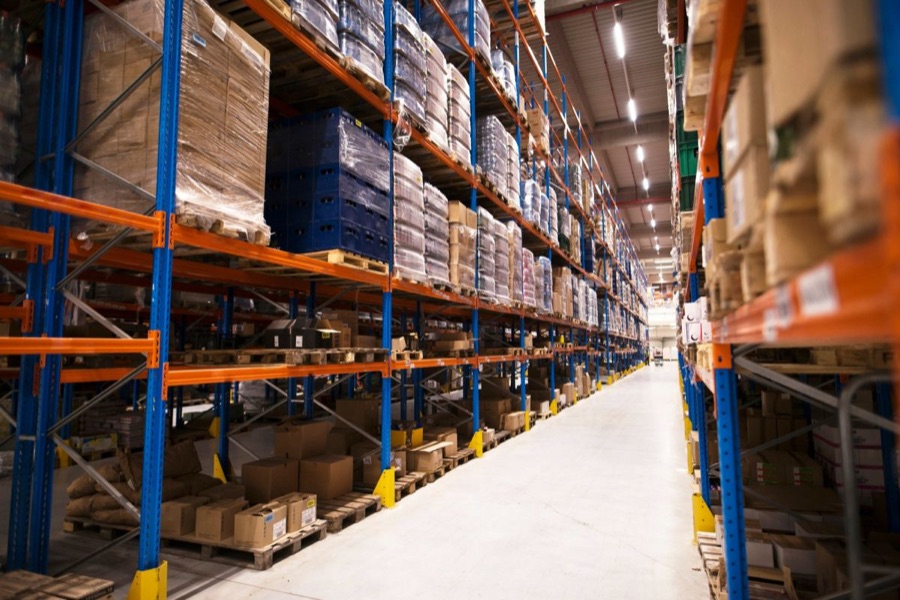
Medical equipment & devices warehousing
Machines wait for rooms. The warehouse keeps them ready.
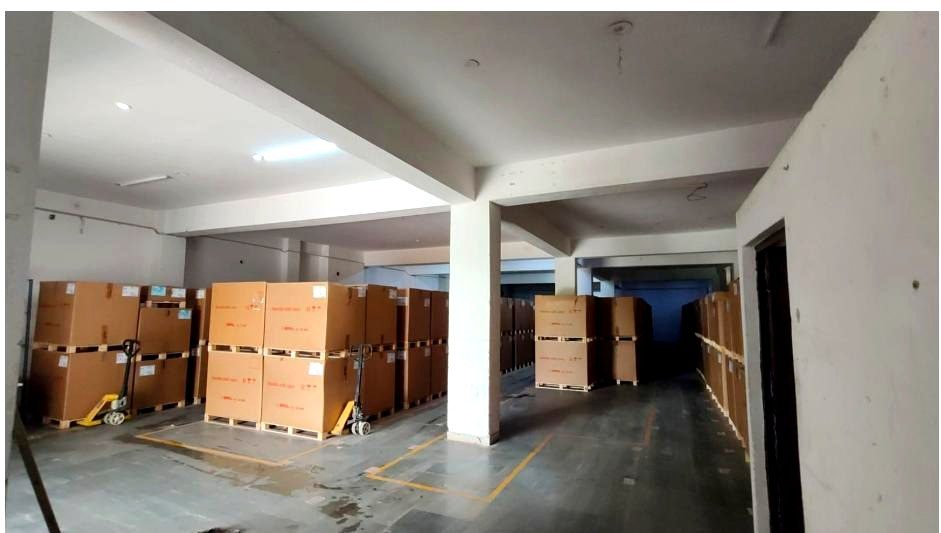
Crated imaging units, hospital beds and monitor trolleys sit behind controlled access, released only when the installation calendar says a site is ready.
- Warehouses
- 34
- Locations live
- 25
- Collection centres
- 74
- States & UTs
- 19
01 · One record per unit
No unit rests
without its serial.
Each crated unit is checked in by model and serial number, its accessories counted against the packing list and any mark on the casing written down before it enters a zone.
One machine, traced from gate to site
- Model
- EQ-5510
- Serial No
- SN-2411-114
- Zone
- FLOOR-B04
- Status
- Dispatch-ready
Sample record, kept to show how one unit is tracked between check-in and dispatch — not a live Lozy figure.
Months can pass between check-in and the day a unit is called to site. That is why model, serial, accessories and condition are written down at the gate, so the right unit can be pulled by number, not by memory.
02 · Gate to installation
From the first check-in
to the site handover.
01 / 08
The medical equipment walk-through — a crated unit’s journey, drawn as a sample.
-
01
Inbound
Imported consignments roll in — imaging units, beds and monitor cartons, listed against the day’s advice note.
-
02
Receive
Model, serial and accessory list are read off the crate and matched to the paperwork before anything moves.
-
03
Store
Large units take the floor zones; monitors, spares and accessories go to access-controlled racked sections.
-
04
Pick
A release instruction names its serial; the unit and its kit are lifted from the rack together.
-
05
Pack
Fragile units move in their own crates with their weight and handling marks visible.
-
06
Label
Crate labels are read twice — serial, site and accessory count — before the gate opens.
-
07
Dispatch
Loaded on trolleys and pallet jacks, each unit is booked out under its serial.
-
08
Delivery
Offloaded at the site when the room is ready, with the unit, kit and paperwork handed over together.
03 · Dealer to site
Dealer counters,
hospital sites, one list.
A dealer’s sellable stock, a hospital’s spare bed and a distributor’s import lot sit as separate records in one warehouse, so every order is met from counted stock.
- Equipment dealers
- Import distributors
- Hospital buyers
- Tender wins
- Service engineers
- 01 Installation order
- 02 Lozy warehouse
- 03 Pick
- 04 Pack
- 05 Ship
04 · Zones and racks
Room for crated
machines and beds.
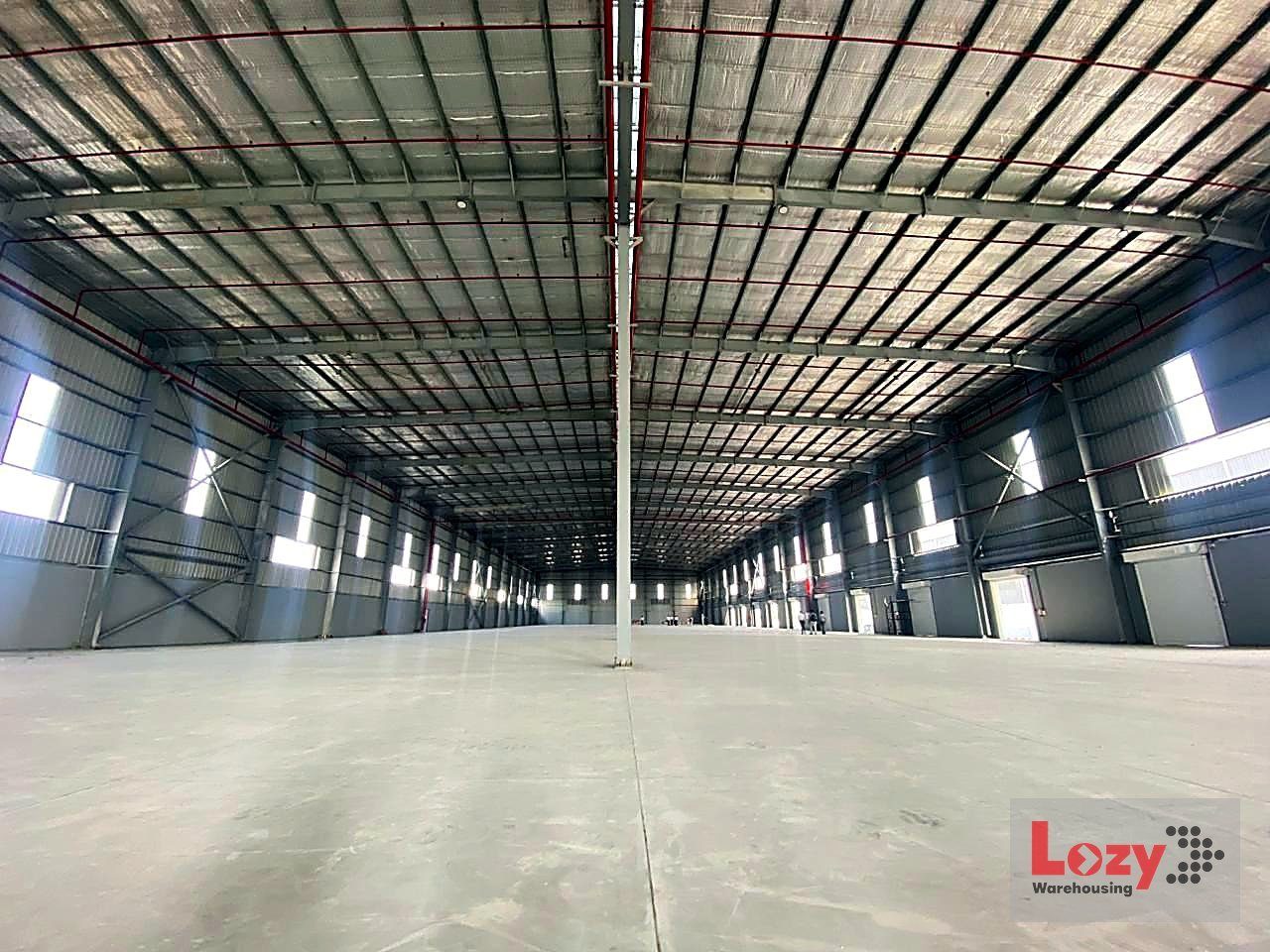
A medical equipment warehouse holds far more than machines. Consignments typically include the units themselves, their accessories and spares, demonstration stock and the pallets and crates they travel in. One storage plan can cover the whole pipeline from import container to dealer or hospital:
- 01Diagnostic and imaging machines
- 02Patient monitors and monitoring equipment
- 03Ultrasound and scanning units
- 04Dental chairs and dental equipment
- 05OT tables, lights and surgical furniture
- 06Hospital beds, stretchers and trolleys
- 07Surgical instrument sets in cases
- 08Wheelchairs and mobility aids
- 09Physiotherapy and rehabilitation equipment
- 10Spare units, parts and accessories
- 11Demonstration and trial devices
- 12Crates, pallets and packing material
Very large or unusual units need a floor plan before they arrive. Share dimensions and handling needs, and the team will confirm the right zone and access.
Need space for Medical Equipment & Devices stock?
Tell us what you store and where it needs to reach — the team confirms availability, the plan and the rates in writing.
05 · Where installs pinch
Every industry carries its own pressure — these are the ones the space, the handling and the paperwork are planned around.
-
01
High-value units at rest
A single diagnostic machine can be worth more than everything else on the same floor. Storage must be secure and access-controlled, with every unit accounted for by record, not just by a count of cartons at the gate.
-
02
Bulky, awkward dimensions
Imaging systems, hospital beds and OT tables do not slot into standard pallet racking. They need floor zones, wide aisles and crated positions, and a loading area a truck can reach without the unit being repacked twice.
-
03
Accessory and spares sprawl
Every device arrives with cables, probes, mounts, manuals and service paperwork. If those items travel separately and get mixed up, an installation stalls over a missing part that costs a fraction of the machine it belongs to.
-
04
Accountability by serial number
Dealers, service teams and auditors track equipment unit by unit, not box by box. Without check-in records that note model, serial number and visible condition, a dispute about damage or a missing item becomes impossible to settle fairly.
-
05
Dispatch tied to site readiness
Hospitals cannot take delivery of a machine before the room is ready, and dealers cannot afford units sitting at their counter. Deliveries follow installation dates, so storage space can be held for weeks longer than the move itself requires.
-
06
Demonstration unit churn
Sales teams move demonstration machines and trial devices between hospitals constantly. Every round trip risks scratches, missing accessories and misplaced paperwork, so check-out and check-in discipline matters as much as the storage itself.
06 · Stored and readied
One team from
crate to handover.
5 operations, one contract. Pick one to see what it covers.
07 · Getting started
From enquiry
to moving in.
Onboarding starts with a list: what the units are, their sizes, weights and handling sensitivities, and where they must go. The team matches that to a storage zone and confirms billing before the first truck arrives.
-
01
Enquire
Share your product type, volumes and the city you need. The team confirms availability and shares rates in writing.
-
02
Site visit and requirement planning
Visit the shortlisted facility or plan remotely — space, access and handling are matched to your operation.
-
03
Onboarding
Documentation, check-in records and access setup are completed before your stock arrives, so day one runs clean.
-
04
Storage, fulfilment and dispatch
Stock is stored, managed and dispatched per your instructions, with monthly GST-invoiced billing.
08 · Why buyers come back
-
01
Secure, monitored facilities with check-in records that name every unit, so a machine can be traced to its zone, its serial number and its condition.
-
02
77+ Warehouses across our network give importers, dealers and hospitals a storage point close to the market they serve.
-
03
Monthly billing with GST invoices and no long lock-in, so space follows tender cycles and installation timelines instead of fighting them.
-
04
One team for storage, handling and dispatch means fewer transfers between godowns, and fewer chances for an accessory or document to go missing in between.
09 · Coverage
Store here.
Deliver everywhere.
Warehousing sits where the orders are. Lozy runs 74 collection centres across 19 states and union territories — store in the right city and the last mile gets shorter.
Boundary as India officially depicts it
- 01 Warehouse
- 02 Fulfilment
- 03 Distribution
- 04 Customer
Every lane on the map is a real movement: stock received at a Lozy warehouse or collection centre, picked and packed there, then distributed to the customer — or moved between sites to be closer to demand.
Guwahati · Jorhat · Bengaluru · Patna · Coimbatore · Madurai · Puzhal & Ambattur · Red Hills (Chennai) · Sholavaram · Ahmedabad · Ankleshwar · Vapi · Ambala · Dharuhera · Faridabad · Garhi Harsaru · Jamalpur · Sonipat · Hyderabad · Jammu · Srinagar · Ranchi · Cochin · Indore · Aurangabad · Bhiwandi · Nagpur · Nashik · Pune · Alipur · Bamnoli · Dhulsiras · Bhubaneswar · Cuttack · Chandigarh · Ludhiana · Zirakpur · Jaipur · Ballia · Ghaziabad · Lucknow · Noida · Haridwar · Roorkee · Rudrapur · Kolkata · Siliguri
10 · Questions to ask
Before you
start storing.
The questions Medical Equipment & Devices teams ask before taking warehouse space — answered in plain words.
What does medical equipment warehousing with Lozy involve?
Medical equipment warehousing with Lozy means holding diagnostic machines, monitors and spare units in secure, monitored space with controlled access and documented check-in. Devices for hospitals, clinics and dealers are stored in crated floor zones or racked sections at facilities across Delhi NCR and our PAN-India network, with dispatch timed to installation schedules.
What is medical equipment warehousing?
Medical equipment warehousing is the storage of machines, devices and their spares in a managed facility while they move between manufacturers, importers, dealers and hospitals. It covers secure space, careful handling of bulky or fragile units, unit-level inventory records and dispatch planning, so equipment arrives at the right site ready for installation.
Key points
- Secure device zones with controlled access and monitoring across storage areas
- Floor-level space for imaging units, OT tables and other bulky equipment
- Unit-level records that note serial numbers, accessories and condition at check-in
- Dispatch timed to site readiness and installation schedules, not just truck availability
- Monthly billing with GST invoices and no long lock-in on the space you take
Where medical equipment warehousing fits in the pipeline
Equipment does not travel straight from a factory to a hospital ward. It moves through importers, national distributors and regional dealers, and each stage can hold stock for weeks or months. Warehousing for medical equipment has to work across that whole chain: containers that arrive from the port for sorting and labelling, dealer stock replenished in batches, demonstration machines circulating between hospitals, and spare units parked until a service call needs them. One storage partner across those stages avoids the cost of repacking and moving stock between multiple godowns.
Handling rules for large and sensitive units
Large pieces set the rules. Imaging equipment, beds and OT tables move on trolleys or pallet jacks, never dragged; crates are labelled with weight and orientation so nothing is stacked the wrong way up; monitors, probes and surgical cases are packed in padded cartons with their accessories; and every unit is checked in against visible condition, so a scratch is recorded before storage rather than disputed afterwards. Wide aisles and accessible loading bays exist so those rules can be followed on a busy dispatch day.
Dispatch planning around installation timelines
Dispatch for medical equipment is rarely a same-day decision. A machine is released when the room and the service team are ready, so storage commitments can run longer than the transport itself. Planning around those dates pays off: keep units in dispatch-ready positions rather than deep storage, batch deliveries for the same city, and confirm release instructions in writing with serial numbers attached. Monthly billing suits this rhythm, because space can be held through a slow installation phase and released afterwards without breaking a long lease. From a Delhi NCR base, the same approach supports consignments moving across our India network.
How to choose a warehouse for Medical Equipment & Devices
Choosing a warehouse for medical equipment is different from choosing one for fast-moving goods. The right facility is judged on security, space shape, unit-level records and whether dispatch can follow installation calendars.
Security beyond the gate
High-value devices warrant more than a good lock. Look for controlled access, CCTV coverage across storage and loading zones, and a facility that records which unit went in or out, when, and on whose approval.
Space shaped for large units
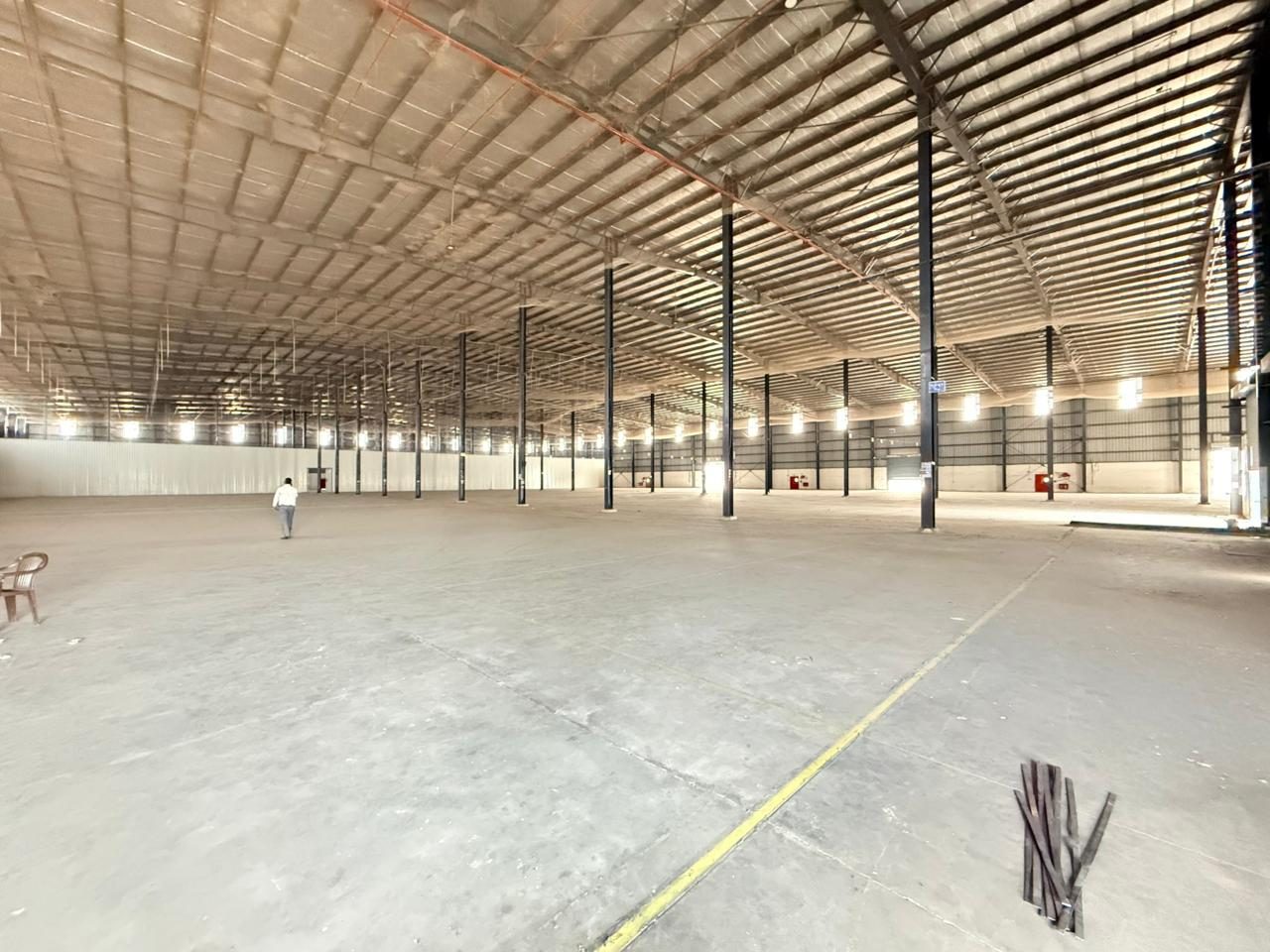
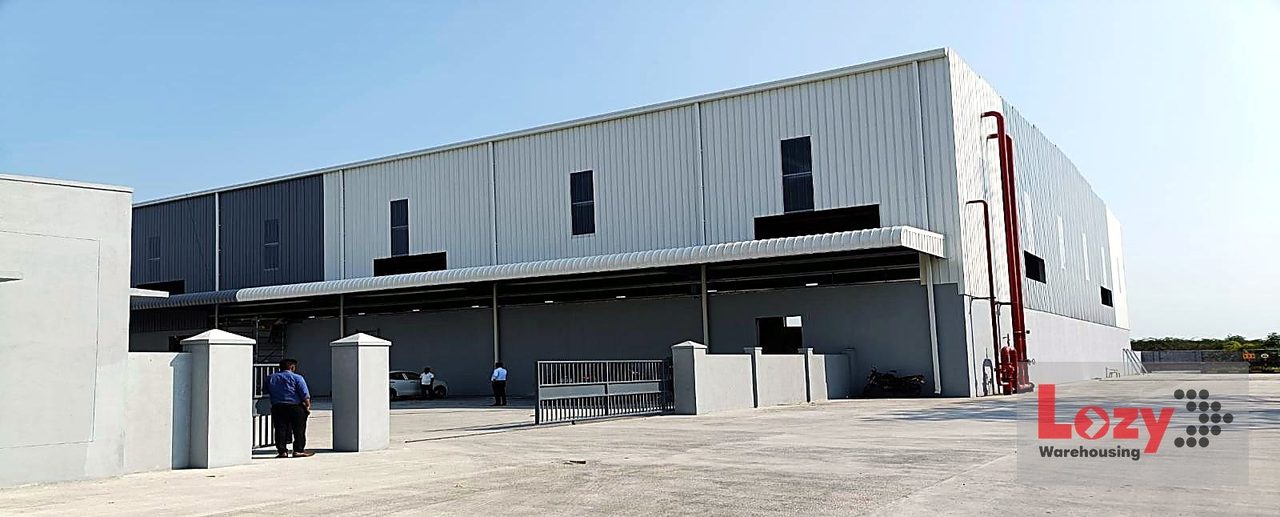
Ask whether the layout includes floor zones for units that cannot be racked, aisles wide enough for trolleys and pallet jacks, and a loading area a container truck can reach without double handling every crate.
Records at unit level
A count of pallets tells you nothing about twelve machines with twelve serial numbers. Confirm the facility documents model, serial, accessories and condition as each unit is received, and keeps that record retrievable.
Handling practice for delicate devices
Monitors, surgical cases and other electronic components need padded packing, two-person lifts and clear stacking rules. Watch how the team treats fragile goods on a normal working day, not only during a guided visit.
Location near your service circuit
Equipment moves between importers, dealers, service teams and hospital sites. A warehouse near that circuit cuts travel time, and a Delhi NCR base with PAN-India coverage keeps second-region stock within reach.
Dispatch discipline and scheduling
Ask how delivery requests are scheduled, whether runs can be paired for the same city, and how quickly a unit can be released for an urgent installation. Vague answers here usually become delays later.
Paperwork that stays with the unit
Invoices, warranty papers, accessory lists and packing notes should travel together and be easy to retrieve. Documentation attached to the unit saves arguments at the point of installation, when nobody wants to hunt for a missing invoice.
Frequently asked questions
What kinds of medical equipment does Lozy store?
How is high-value equipment protected in storage?
Can hospitals, clinics and dealers store equipment in one facility?
How much does storing medical equipment at Lozy cost?
Do you pack and crate equipment before it moves?
Can dispatch be timed to hospital installation schedules?
Can imported equipment be stored before it reaches buyers?
How long can equipment stay in Lozy storage?
Can our service team access the equipment for checks?
Explore the services
06 links
From the blog
03 reads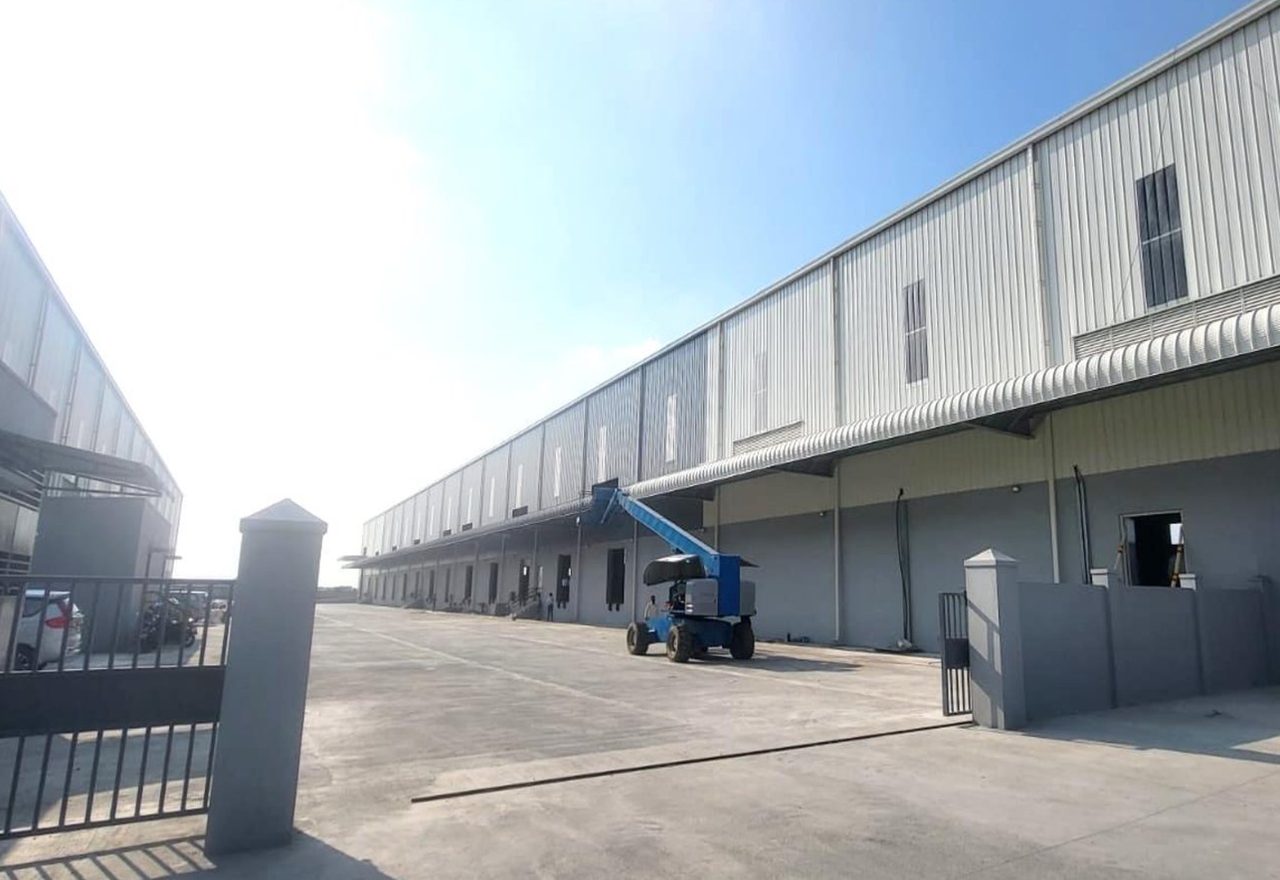
Keep exploring
Industries that
move like yours.
Every industry page runs the same eight-stop walk — these pages tell it again with their own cargo, their own records and their own rules.
 01
01
 02
02
 03
03
11 · Start with your list
The room is ready.
Your unit should be moving.
Send the unit list, crate dimensions and your next installation dates.
Speak to a human · +91 9354712345
12 · Enquiry
Tell us what
you need to store.
Availability, plan and rates — one short form, a written reply.
- Tell us the industry, product and city — one short form or call.
- Get availability and rates in writing, itemised.
- Move in with documentation, access and records done before stock arrives.
Contact our experts
One form, one reply — Medical Equipment & Devices availability and rates.