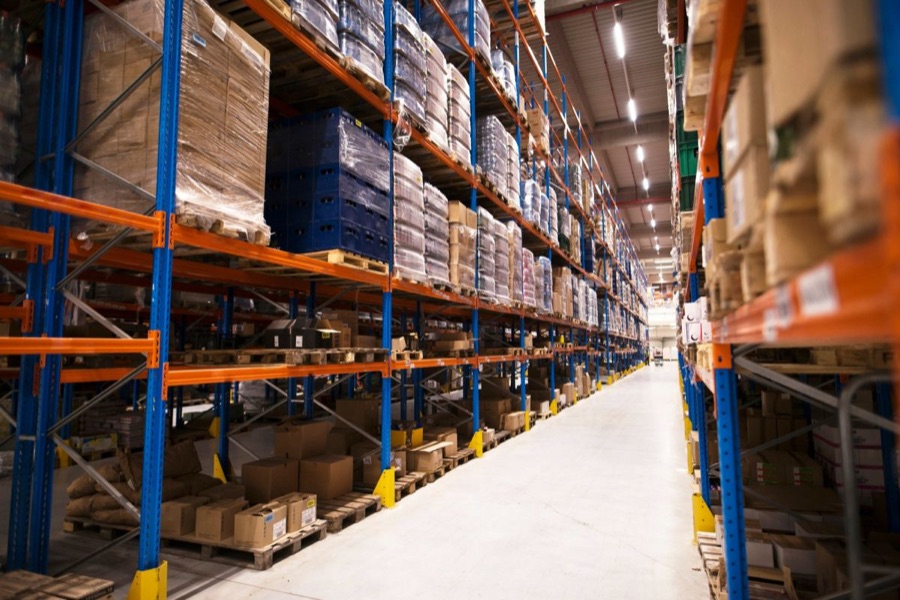
Godown vs Warehouse: What Is the Difference?
In India the two words are used interchangeably, but they describe different grades of space. Knowing which one your goods actually need stops you overpaying for specification you will never use — or under-buying and risking your stock.
| Point of comparison | Godown | Warehouse: What Is the Difference? |
|---|---|---|
| Construction | Basic structure, often older, sometimes open or semi-covered | Purpose-built with steel or concrete frame and proper roofing |
| Clear height | Usually low — limited vertical stacking | High enough for multi-tier racking |
| Loading | Manual or informal ramp | Loading dock, sometimes with dock levellers |
| Fire safety | Basic or minimal | Sprinklers, hydrants, fire compartments as per norms |
| Typical user | Traders, local stock, seasonal goods | Manufacturers, distributors, 3PL, e-commerce fulfilment |
| Cost | Lower per square foot | Higher per square foot, but more usable volume |
| Where found | Inside city areas and old industrial pockets | Highway-connected logistics parks and industrial belts |
Which should you choose?
Choose a godown when the goods are low-value, slow-moving and handled infrequently. Choose a warehouse when volume, throughput, safety or compliance matter — the higher rent usually buys back more usable space through height and faster handling.
Common questions
Is a godown cheaper than a warehouse?
Usually yes per square foot, but a warehouse's clear height and dock can make it cheaper per unit stored once you account for usable volume and handling speed.
Can I store food or pharma in a godown?
Only if the space meets the hygiene, pest-control and temperature requirements your product and licence demand. Purpose-built, compliant space is the safer choice for regulated goods.