Warehousing for E-Commerce Brands: Fulfilment, Cost and Site Choice (2026 Guide)
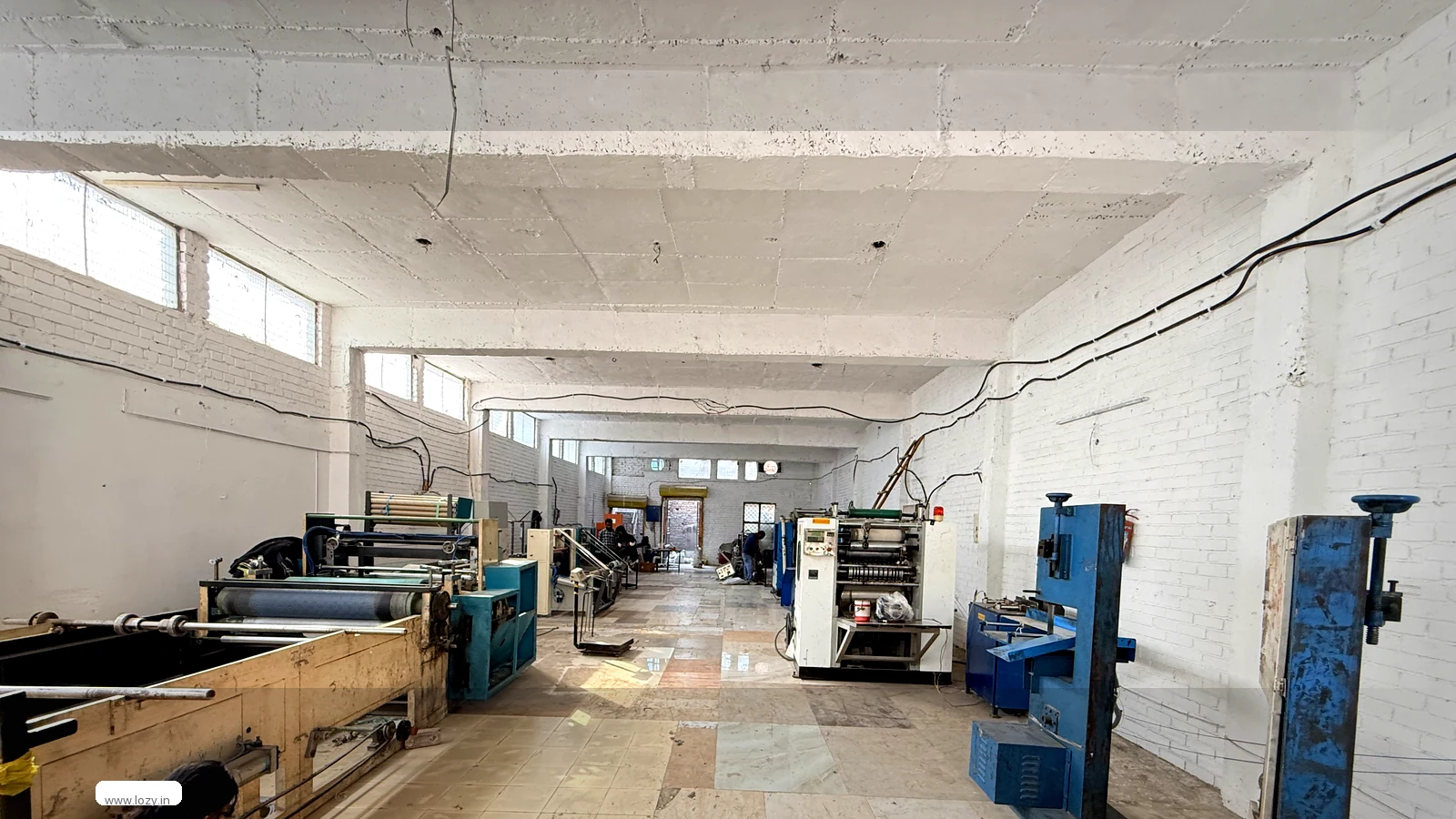
E-commerce and retail warehousing is managed storage that also runs the fulfilment cycle: sellable stock is binned, counted and shelved pick-ready, and every order is picked, packed, labelled and handed to a courier lane from the same building. Lozy runs it from a Delhi NCR base with 77+ warehouses and more than one million square feet of live space, and e-commerce warehousing starts at ₹4,999 per month. The choice that moves your money most is not the rate - it is which node the stock sits in, because that fixes your delivery promise and your freight bill.
Key takeaways
- E-commerce warehousing from Lozy starts at ₹4,999 per month for a starting catalogue, billed monthly on a GST invoice with no long lock-in.
- The network behind it is 77+ warehouses, more than one million sq ft of live space and 74 collection centres, run from Delhi NCR with PAN-India reach.
- Two windows load the year: the September-to-November festive peak and the January sale season, and both arrive faster than a warehouse lease can be signed.
- The mistake that costs online sellers most is using a warehouse as a store-room - no bin locations, no SKU codes - so festive picking slows to a crawl.
Selling online is a promise with a clock on it. The buyer sees a delivery date before the product, and everything between that click and the doorstep - the rack the unit sat on, the person who picked it, the label scanned before the box left the bench - happens inside a window that keeps shrinking. That is what makes warehousing for online sellers a different job from warehousing generally: less about holding goods, more about turning a listed quantity into a scanned parcel on the day it was promised.
This guide is the operational detail behind Lozy's e-commerce and retail warehousing service: how an order moves through a facility on an ordinary Tuesday, what the monthly invoice is built from, how a shared warehouse compares with your own godown and with a 3PL, and what the first month looks like when a live catalogue moves in.
What e-commerce and retail warehousing actually runs on
E-commerce and retail warehousing runs on two things a plain godown does not have: a location for every unit, and a record of every movement. The goods matter less than the address they sit at. A brand holding 400 SKUs is not storing 400 products; it is maintaining 400 shelf positions a picker can find without asking anybody, on a morning when forty orders are waiting and the courier sweep is four hours away.
A listing is a promise the rack has to keep
When a unit sells on a marketplace at eleven at night, the listing has already promised it, and the warehouse has to make that promise true by morning. That only works when one count feeds every channel: the marketplace panels, the D2C store and any offline counter read the same stock position, so a quantity that sells out in one place stops taking orders in the other. Split the count across three systems and overselling stops being an accident - it becomes the default.
The racking layout is what makes the count real. Fast sellers sit at waist height on the pick face, where a picker reaches them without a ladder. Heavy lines go to the lower rack and are lifted once, not twice. Oversize cartons that will never fit a shelf live in a marked floor bay, because a parcel without a slot gets put somewhere nobody can find it.
Bin locations, not piles
The difference between a pick-ready warehouse and a store-room is a label. Binned stock carries an address - aisle, rack, level, slot - and every movement against it is recorded, so "in stock" means a unit somebody can put a hand on this morning. Stock without addresses gets piled, and piled stock gets searched for. In a quiet week that costs minutes; in the festive weeks it costs the dispatch cut-off.
Stock visibility is the quiet feature until it is not - the week a marketplace panel, a lender or an investor asks what you hold, and the answer is a system record rather than a guess. Sellers who keep the catalogue as a running count rather than a static lot route it through inventory warehousing.
How an order moves through the building
Strip the terminology away and fulfilment is a loop of four movements: stock in, picked out, packed, dispatched. The channel sync, the dashboard and the courier manifest exist to keep that loop turning without the seller in the middle of it.
Inbound and check-in
Cartons arrive from a supplier, from old storage or from your own production run, and check-in is where most sellers first feel the difference between a warehouse and a room they rented. Each carton is opened, matched line by line to the listing, and given a shelf address before any count is entered. A consignment received that way is saleable the same week; one tipped into a corner is a number you trust a little less every day.
Inbound is also where the paperwork either works or does not. The list sent ahead of the vehicle, the quantities on it and the codes on the cartons are what check-in is measured against - which is why a stock transfer belongs in a planned window with an agreed cut-off, not squeezed between two campaigns.
Pick faces and the aisle walk
Picking is physical work with an information problem attached. A picker who knows the slot before walking to it picks in one pass; a picker hunting a pile walks the building twice. Multi-order totes let one pass down an aisle serve several customers at once, which keeps a hundred-order day from becoming a two-shift day. Packing then follows the product rather than a template - the right carton, the right fill, the invoice inside, the box closed to the carrier's own specification.
Value-added work sits at the same bench. Gift sets, combo packs, promotional inserts and relabelled stock are assembled before the parcel is sealed, so a brand that sells bundles does not run a second operation off a kitchen table.
The cut-off that decides your reviews
Every marketplace runs a dispatch cut-off, and the review after a late parcel is written by the buyer, not the courier. The daily rhythm is built backwards from that time: inbound before the pick wave, picking and packing through the day, labels verified and weights checked, parcels staged into courier lanes for the evening sweep, returns booked back at the dock the day they land. When the cut-off is met without a scramble, the operation is working. When it is met by luck, it will not be met in October.
What sits on the racks
The racks in an e-commerce facility hold a mixed catalogue, and the mix decides the shape of the space. A few broad families cover most of what a seller stores:
- Cartons and poly-bagged parcels. The packed, ready-to-ship end of the catalogue, kept where a courier sweep can reach it without crossing the building.
- Apparel, footwear and accessories. SKU-heavy and size-wise, so many slots hold few units each - the opposite of a pallet warehouse.
- Home and kitchen products. Bulkier cartons that need floor bays as well as shelves, and careful packing because the buyer sees the box first.
- Small appliances and electronics. Higher value, serial-sensitive, and stored where access is controlled and movement is recorded.
- Returns awaiting sorting. A labelled lane rather than a corner, because returned stock is either going back onto the shelf or out of the count.
- Seasonal and festive stock. Held deep and out of the pick face until the campaign that needs it starts.
One plan can cover all of it in one facility, and that matters more than it sounds. A seller whose racks, returns lane and packaging material sit in three different places spends the festive peak moving things between them instead of shipping orders.
What e-commerce and retail warehousing costs
Lozy publishes starting rates on its service pages rather than one national average, because a number without its basis misleads more than it informs. For online selling, four published figures do most of the work:
- E-commerce warehousing - from ₹4,999 per month. Fulfilment-ready storage for a starting catalogue, with pick, pack and dispatch support, set out on the e-commerce warehousing service page.
- Business warehousing - from ₹14 per sq ft per month on the business warehousing page, the basis to use when you are sizing a racked area by floorplate rather than by catalogue.
- Inventory warehousing - from ₹4,499 per month on inventory warehousing, for stock managed as a running count rather than a static lot.
- Warehouse for rent - from ₹12 per sq ft per month on warehouse and godown space for rent, the lowest starting basis and the one to price a bare floorplate against.
For a genuine one-off spike there is also on-demand warehouse space at ₹14 per sq ft per month, taken for the weeks a campaign runs instead of carried all year. All of these are starting rates, not quotes; the final figure follows the city, the size taken and the term.
How the monthly bill is built
An e-commerce invoice has visible layers, and each one maps to something a seller can point at on their own statement. Storage follows the rack and bin footprint the catalogue occupies. Handling follows the orders actually shipped that month. Materials follow what each parcel consumed - carton, fill, tape, label. Shipping follows where the parcels went. None of that is a penalty; it is a warehouse doing several jobs at once, and a good invoice showing them separately rather than hiding them in one opaque figure.
If handling is high because you shipped a lot, that is your volume. If storage is high because you bought deep for a campaign, the warehouse is holding what you asked it to hold. The layers move with the business, which is what makes a monthly plan fit a trade with peaks as steep as this one's.
Your own godown, a shared warehouse, or a 3PL
Three arrangements compete for the same stock, and they are not interchangeable. The honest comparison is not rate against rate but fit against fit, because each one prices a different part of the work.
| What you are weighing | Your own godown | Shared warehouse (Lozy) | 3PL fulfilment |
|---|---|---|---|
| Space | Leased, fitted out and paid for all year | Racked or floor space taken month by month | Space bundled into a per-order service fee |
| Who picks and packs | Your team, in your building | Operators at the bench, under the same contract | Operators, charged on volume |
| Cost basis | Rent plus fit-out plus staff | From ₹4,999/month or ₹14 per sq ft per month | Per order shipped, plus storage |
| Flexing for the peak | Add a second premises or overflow | Add racks for the campaign, release them after | The rate card scales, the floor cost does not |
| Stock visibility | Whatever your team remembers to record | Binned, counted, one view across channels | Depends on the partner's system |
| Best when | Volumes are steady and the space is genuinely yours | The catalogue moves with seasons and channels | The operation is large and hands-off by design |
For most growing sellers in Delhi NCR the shared warehouse sits in the middle for a good reason. It gives the handling a 3PL gives without pricing your quiet months at your busy ones, and it gives the flexibility a godown lease will not. The aim is to pay for the space your orders actually need in the month you need it.
How to choose a facility for online selling
Work from the order backwards to the building, not from a cheap rate forwards. Five checks settle most of the decision before a single carton moves.
- Measure the drive to your customers, not to your office. The NCR belt can serve a large share of pan-India orders, but which side of it you sit on changes the first leg of every parcel. A seller whose buyers cluster in south Delhi and Gurugram gets more from a Dwarka-side unit than from a cheaper one across the city.
- Ask what the rate includes before comparing anything. Storage, handling, materials and shipping should be separate lines you can trace. Two quotes built on different bases are not comparable, however close the headline numbers look.
- Get the cut-off in writing. What time do orders have to be in for same-day dispatch, and does that time meet the panels you sell on? A facility that misses the evening sweep is not cheaper; it is late, every day.
- Look at a sample inventory record. Before you sign, ask to see how one SKU is represented - its location, its count, its status. If the screen cannot show a single SKU's position, it will not tell you where forty of them are.
- Settle the returns lane on day one. Sellers plan for outbound orders and meet RTOs in month two. Where returned parcels are received, who opens them, and how a graded return gets back into saleable stock are first-conversation questions, not fifth.
Red flags on a first visit
- Piles where bins should be. If the stock already in the building sits in unlabelled heaps, your catalogue will become one too, whatever the racking plan says.
- No named contact. A fulfilment partner without one person who answers questions is a call centre, and your peak weekend is when it matters.
- A cut-off promised but never timed. Ask what time the van actually leaves, and who is accountable when a picking wave runs long.
- A rate with no layers. One opaque monthly figure hides the handling charge until the busy month, when it is least welcome.
- A long lock-in on seasonal stock. A festive assortment should not carry a multi-year clause. Monthly terms are worth slightly more when the volumes move.
- Racking described but not fitted. Ask what is actually installed in the unit offered, because the racking in place changes what the space can hold more than the headline rate does.
The first month: what goes wrong
The first month in a new facility usually goes well for reasons settled before the move, and badly for a short list of predictable ones.
- The catalogue arrived without SKU codes. Stock checked in against a vague list is hard to pick against. Codes agreed before the cartons leave your old space are the cheapest thing you can do for the move.
- Nobody agreed who owns the count. If your team and the warehouse each keep a list, the two drift within a month. One system of record, chosen on day one, ends the argument before it starts.
- The cut-off was assumed rather than checked. A dispatch deadline comfortably met from a home office can fail the moment volume doubles. Confirm the daily rhythm against your panels in week one.
- Returns landed with nowhere to go. A labelled returns lane before the first order comes back turns a pile into stock; set up afterwards, it is a backlog with a date on it.
- Packaging material ran out mid-week. The festive peak eats cartons, fill and tape faster than most sellers expect. Stock the bench, not the cupboard.
Seasonality: the festive peak and the January sale
Online selling has a calendar, and it is steep. The festive run, from Navratri through Diwali in September to November, can multiply the same catalogue overnight, and the January sale season loads it again a few weeks later. Both windows arrive faster than a warehouse lease can be signed, which is the practical reason rented rather than leased is the norm for e-commerce and retail warehousing with Lozy.
The calendar also decides how much racking you need. The honest number is not your average month but your peak fortnight, and the aim is to have the space ready before the campaign rather than to turn stock away during it. Extra shelves can be layered on ahead of the run and released after it, so you pay for the festive squeeze and not for the eleven months around it. The seller still negotiating for a bay in October has already lost the first weekend.
A worked example: one seller, three NCR nodes
Take a representative case rather than a named customer. A Delhi-based seller of home and kitchen products runs a D2C store and two marketplace listings, and has outgrown a spare room in Dwarka. Orders average a few hundred a week and climb sharply from late September. The seller is choosing between three NCR positions: a unit on the Dwarka side of New Delhi, racked space in the Gurugram belt, and a facility on the Noida side.
Written down honestly, the comparison resolves quickly. Most orders ship to Delhi, Gurugram and Faridabad, and the Dwarka-side position keeps the first leg short and the cut-off comfortable, on the same side of the city as the seller's own stock handling. The Gurugram belt - the Manesar and Kherki Daula cluster set out in the Gurgaon warehousing guide - is the stronger choice for a seller whose buyers sit in south Haryana and Rajasthan, and its larger floorplates suit a bulkier catalogue that will not fit a shelf. The Noida side, covered in the Noida warehousing guide, wins on Uttar Pradesh and east Delhi demand and on space per rupee, at the cost of a longer run back into the Gurugram belt.
The deciding factor is not rent. All three clear the seller's budget within a few thousand rupees a month, and that gap is smaller than a single missed dispatch week. It is which direction the parcels leave in, and how comfortably the daily cut-off survives the festive volume. Running that calculation on paper before a site visit usually eliminates one of the three nodes and sharpens the visit to the other two.
How Lozy helps
Lozy runs e-commerce and retail warehousing as a single arrangement: storage plus handling, from binned and counted stock to parcels leaving the dock. The operation covers inbound receiving and check-in line by line against your list, SKU- and bin-level storage, pick and pack to your own packing standard, labelling and dispatch against the day's cut-off, a returns lane that grades stock back into sale or holds it for your call, and one inventory view that feeds every channel.
It runs from a Delhi NCR base across 77+ warehouses and more than a million square feet of live space, with 74 collection centres and PAN-India reach for the last leg, and it is billed monthly with a GST invoice and no long lock-in. A starting catalogue takes e-commerce warehousing from ₹4,999 per month. A business whose stock is managed as a running count fits inventory warehousing at ₹4,499 per month. A seller who needs only the racks, and will do the picks with their own team, can price a floorplate on warehouse and godown space for rent from ₹12 per sq ft per month.
To go deeper before you call, the e-commerce warehousing guide walks through the fulfilment cycle and the per-order build-up, the business warehousing guide handles the storage side, and the warehouse for rent guide sets out how floorplate space is priced. The city posts for New Delhi and Faridabad show what sits where in the NCR belt, and the nearest vertical guides - apparel brands and FMCG - cover catalogues with their own handling quirks. For an event that needs space for a fortnight rather than a season, on-demand warehouse space is the short-horizon option, and the Lozy services list covers everything else the network runs.

Related guides
- e-commerce fulfilment in India
- returns and reverse logistics
- apparel brand warehousing
- warehousing in New Delhi
Storing e-commerce or retail stock?
Tell us your catalogue, your order volume and the city - we reply with a rate and the space available now.
Get a quoteCall +91 93547 12345Sources. Rates, network numbers and facility details are Lozy's own published information. Sector context for online retail and e-commerce comes from IBEF and from PIB; GST registration and input credit from the GST portal; warehousing-sector context from the Warehousing Development and Regulatory Authority; and highway-corridor context from the NHAI.
Last updated: 14 October 2026. Have a question the FAQ below does not answer? Call +91 93547 12345 or email care@lozy.in.
Need warehousing or storage in India?
Request a free, tailored quote in under 2 minutes — free pickup, no lock-in.