
Warehousing for Sports and Fitness Products: Gym Equipment Storage, Season Planning and Cost (2026 Guide)
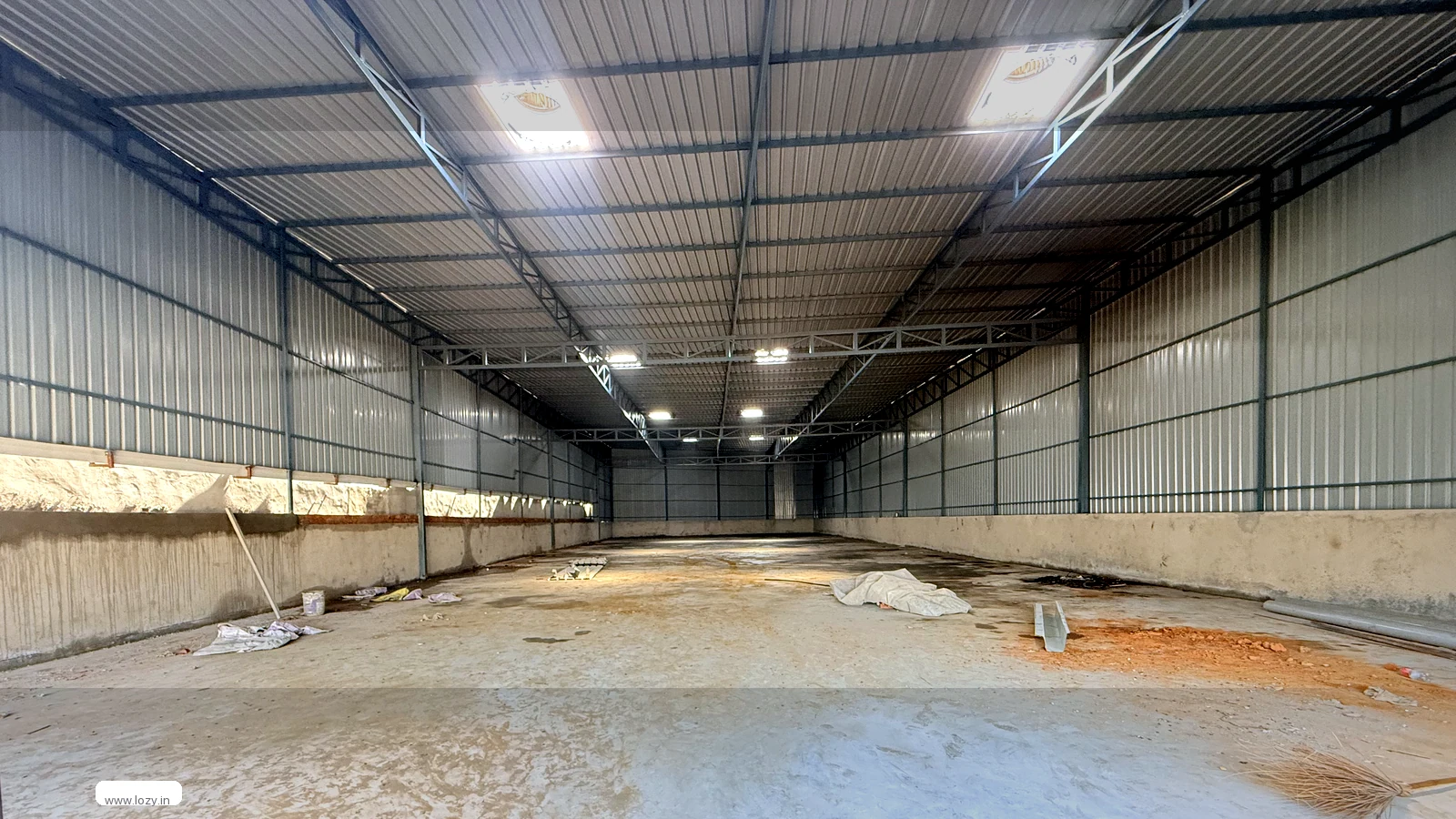
Sports goods warehousing is a two-speed job: a treadmill or a bench has to sit where it can be pulled out and loaded without shifting anything else, while bats, gloves, mats and footwear have to move through a rack the way any fast-selling line does. Lozy handles both in one facility - bulky stock on floor bays, light stock in racked sections - from ₹12 per sq ft per month on a monthly plan, billed with GST and no long lock-in.
Key takeaways
- Racked and floor space starts at ₹12 per sq ft per month, business space at ₹14, a seasonal booking at ₹1,299 per month and a D2C plan at ₹4,999 per month.
- Dealers, gyms, academies and online buyers are served from the same Delhi NCR belt, in a network of 77+ warehouses and 1M+ sq ft of live space.
- The check that saves the most money is the exit route: a machine stored behind other stock is moved twice every time it sells.
- New-year fitness demand, cricket and school seasons and gym procurement cycles pull the same SKUs in and out within weeks, so monthly space beats a year-long lease.
A sports and fitness catalogue is not one category of goods. It is at least four, and they behave differently in a warehouse: assembled or semi-assembled machines in long, low cartons; dense free weights that put heavy point loads on a small patch of floor; boxed equipment that stacks but must not be crushed; and soft goods, apparel and footwear that pick like any fashion line. This guide is about how sports and fitness products warehousing is actually run, what drives the monthly figure, how to choose a site for stock this shape, and what the first month teaches a brand leaving its own godown.
It is written for the buyer who has already realised the rack is the wrong answer for half the inventory. Sports stock is split between two channels that never move at the same speed - dealer and gym consignments on one side, single-unit online orders on the other - and the decisions that matter keep both working from one counted floor without the bulky goods becoming an obstacle course.
Why a sports consignment behaves like two businesses
The first useful question about any fitness unit is not how many pallets it holds, but how much of the shed it makes unusable. A tall racked building with narrow aisles is efficient for cartons and hopeless for a treadmill carton that must stay horizontal and be lifted without a kink to the frame. The same building read the other way - wide aisles, open bays, low rack sections along the walls - does both jobs, but only if the layout is drawn for the machines first and the cartons second.
The two families also fail differently: machines through handling, where a kinked frame is invisible at intake and expensive at the customer's end, and cartons through throughput, where crushed corners and a short pick face cost a courier cut-off.
Floor bays are decided by the machine, not by the carton
A gym order rarely means one unit but a batch: several treadmills, ellipticals or benches plus a plate set and accessories, delivered together to a gym opening on a date. Bays for those units are sized around the largest piece in the batch plus the room to walk it out, and they are positioned so a pallet truck reaches the first bay without crossing a pick face. This is the part of gym equipment storage that a normal warehouse quote misses, because the quote is built in square feet while the real constraint is the exit route.
Two habits make floor storage work over a season. Heavy stock goes straight from intake to its bay, so nothing is handled twice to tidy a receiving area, and bays are allocated by model and batch, so a gym order is assembled from one corner of the floor rather than from the whole shed.
Racks are decided by the pick, not by the pallet
Bats, pads, guards, bags, mats, bands, gloves and footwear all store happily in racked sections - they are lighter, they cube out early, and most are picked in small numbers. The useful discipline is to build the pick face around the channel. A dealer consignment pulling twenty of one SKU wants a full-carton location that can be emptied in a single trip; a single-unit online order wants the same SKU broken open at eye level, two units to hand. Sharing one location is the most common reason a stock record drifts from what is on the shelf.
Soft goods need different protection from machines: apparel and footwear cartons stay off the floor, away from the doors where monsoon damp arrives first and from the loading face where cartons get crushed.
From intake to dispatch: how sports goods warehousing runs
The rhythm here is set by intake being slow and dispatch fast: a machine consignment takes time to receive properly, while the orders it serves go out in hours. These are the stages that decide whether the two speeds collide.
Intake: measure before shelving
Every received unit is checked against the paperwork for model, quantity and visible condition before it is allocated anywhere. For bulky equipment this is also the moment to measure, because carton dimensions decide the bay: a long carton placed in a bay sized for a squat one blocks the aisle behind it for the rest of the season. Recording the model at intake is what lets a dealer be told truthfully whether the exact variant is in stock, and what stops a warranty unit being picked as sellable.
Assembly checks and condition records
Semi-assembled machines are not dispatch-ready the moment they are unloaded. Practices worth insisting on: a checked unit is marked as checked, a damaged carton is photographed before it is opened, and an assembly check happens in a clear working area with the tools to do it - not in the aisle between two bays. Where a unit needs a console or a deck fitted before it leaves, that work belongs in the dispatch plan, not discovered on the morning of a gym installation.
Two channels out of one gate
A sports brand usually ships to dealers, gyms and academies in truckloads or mixed consignments, and to online buyers as single parcels. Both leave the same gate, and the pick order keeps the day sane: parcels early, against the courier pickup that will actually arrive, and dealer consignments later in carton quantity, loaded in the sequence the vehicle unloads them. Where the parcel side runs through the brand's own store, that work is e-commerce warehousing: pick list, packing material, label and handover, done in the facility that holds the heavy stock. A chain fitting out several gyms at once is where industrial and bulk warehousing space becomes the right starting point rather than a racked unit.
What sports goods warehousing costs, and what moves the figure
Lozy publishes a starting rate on each of its service pages instead of one national average, because the number that matters is attached to the space you take. Five apply to this trade, each on a different basis:
- Floor or racked space on a monthly plan - from ₹12 per sq ft per month on the warehouse and godown space for rent page, the basis for pricing a bay for machines or a demarked area for pallets.
- Managed business space - from ₹14 per sq ft per month on the business warehousing page, with racking, security and handling included rather than added on.
- A season's worth of stock - from ₹1,299 per month on the seasonal warehousing page, the shape of a January or cricket-season consignment that arrives and thins out.
- Stock held as a running ledger - from ₹4,499 per month on the inventory warehousing page, for a brand whose stock record has to match what leaves the door.
- D2C pick, pack and handover - from ₹4,999 per month on the e-commerce warehousing page, for the parcel channel.
All five are starting rates rather than quotes, billed monthly with GST and no long lock-in, so space can grow for a season and shrink again when the peak is behind you. A brand moving a trading operation out of its own premises should compare the requirement against commercial warehousing as well, because a racked trading position and a floor bay for machines are priced on different bases and a straight per-square-foot comparison between them misleads.
The four inputs behind a sports goods quote
- The shape of the goods, not just the weight. A plate stack is heavy but compact; a treadmill carton is neither heavy nor small, and it consumes floor and aisle. Describe the SKU list in cartons and dimensions and the bay allocation will fit it; ask for sports goods and the quote is built for the average of everything.
- The bay geometry. Long units need long bays with a clean exit; small cartons need height, which racks provide and floor bays do not. The mix you ask for decides which of the two the facility builds.
- The length of the peak. A four-week January surge and a nine-month hold are different products, which is why a seasonal consignment booked from ₹1,299 per month is often cheaper than holding the same goods in space sized for the busiest week of the year.
- The channel mix. A pure dealer operation is pallet and truck work. A D2C operation adds picking, packing, labelling and a courier handover - more minutes per unit and more space at the packing bench. Two brands with identical inventory and very different bills usually differ in this column.
Quoting bases are not interchangeable
Storage here is quoted per square foot per month, per pallet position per month and per unit per month. Confirm which basis a number uses before comparing two of them. A gym machine priced as floor area and the same machine priced as a pallet position give two honest numbers for different things - and the floor-area basis is the one that accounts for the aisle the machine needs in order to leave.
The fitness calendar: planning space around the sports year
Sports and fitness demand is seasonal in a way that is easy to see and easy to get wrong: stock arrives before the demand does, so space is needed weeks early and released weeks late.
New-year demand
The post-new-year fitness push is the largest planning event in this trade. Home equipment, mats, bands, weights and footwear all move in the same few weeks, so the warehouse is fullest in December and emptiest by March. Brands that book a peak block on top of a modest base do this well; brands that rent a year of space pay for the empty months that follow. A seasonal block from ₹1,299 per month is built for that curve.
Cricket, school and academy cycles
Team sport runs on its own clock. Cricket kit and protective gear accumulate ahead of the season, and schools and academies procure in batches before their term begins rather than evenly through the year. These are consignment orders rather than parcels: they leave as a set, to one address, usually on a date fixed in advance. Planning for this side means having room to stage a complete consignment for a few days without disturbing the parcel pick face.
Gym procurement and replacement units
Gyms buy in fits. A new site fits out once, then refurbishes in batches, and the replacement units that come back under warranty sit somewhere until they are settled. That somewhere has to be separate from sellable stock, labelled and documented, or it will be picked as new stock on a day a dealer is in a hurry.
Own godown, shared warehouse or 3PL for sports and fitness stock
Most brands in this trade choose between three shapes of space.
| What you are deciding | Own godown | Shared warehouse space | Full 3PL |
|---|---|---|---|
| Capital and setup | Deposit, fit-out, racking and staff | Monthly plan, no fit-out | Onboarding work, then a per-unit rate |
| How space is priced | Rent on the whole premises, occupied or not | Per sq ft, per pallet or per unit, month by month | Per order and per unit handled |
| Bulky machines | Bays only if you build them and keep the aisle clear | Floor bays allocated by model and batch | Handled to the 3PL's process, heavier units priced separately |
| Dealer and parcel split | Run by your own staff from one floor | Pick faces built per channel, one counted floor | The 3PL's systems take over both channels |
| Season flexibility | Low - you carry the quiet months | High - grow for the peak, step back after | Medium - flexes with volume, not with floorspace |
| Records and invoicing | Your own registers, and your own misses | Stock recorded as it moves, monthly GST tax invoice | Their dashboard, their reconciliation cycle |
| A sensible first step when | You already own the land and volume is steady | Demand is seasonal or still finding its shape | Storage is not the part you want to run |
The pattern is consistent: a brand with a steady catalogue and its own premises often stays where it is, while a brand with a peak, a parcel channel and a growing SKU list takes a managed sports equipment warehousing arrangement for a season or two before deciding whether to hand the operation to a 3PL.
How to choose a site for sports goods warehousing
Visit with your heaviest and longest item in mind rather than your average one. A fitness equipment storage warehouse shortlist is best treated like a production site: the checks are physical, and the paperwork follows.
Six checks before you sign
- The exit route from the bay. Walk the path from where the machine will sit to the loading face with the largest carton in mind. If a pallet truck cannot get there without a reverse, the layout is wrong before anything is stored.
- Clear height and span. Height is what racked cartons use; an open span is what floor bays need so machines are not squeezed between columns. Ask for usable height under the beams, not the shed's headline height.
- Ramp, door and apron. Long cartons need a ramp, a doorway wide enough to pass without being turned on a corner, and a level apron for the vehicle.
- Approach road for the inbound vehicle. The vehicle that delivers machines is usually the largest one that will ever visit: check the estate road, gate and turning circle on a working day.
- Channel capability. Ask how a parcel pick face, a dealer staging area and an assembly bench would fit into the space you are shown. If all three share one aisle, expect friction.
- The invoice and the record. Confirm the rent is invoiced monthly as a GST tax invoice in your entity's name, and ask what a stock report looks like before you sign.
Red flags in this trade
- A facility that only offers racks. No floor bay for a machine means the operator has not read the stock, or hopes you will not notice until it is unloaded.
- No answer on how a unit comes back out. Any space can take goods in; the question is the route out on a dispatch morning.
- Assembly promised with no work area. A machine that needs fitting before dispatch needs bench space, tools and light, not an aisle corner.
- Dock or ramp described as adequate. Ask for measurements, and better, watch a vehicle use it.
- No separate lane for replacement or damaged stock. One untracked lane is how warranty returns end up sold as new.
- Rent paid in cash with no tax invoice. It costs less in the month and returns nothing at the end of the year.
The first month: what usually goes wrong
Almost every first-month problem traces back to a decision made before the goods arrived, which is why the requirement conversation is worth an hour.
- The first machine lands before the bay is drawn. Stock arriving into an undecided layout is placed to make room, not to be picked, and the floor stays that way for months. Allocate bays by model and batch on paper first.
- Display cartons die in transit. Stock that is also shown to dealers needs its cartons intact, so plan the display bay, the opening method and the tape.
- The parcel cut-off is discovered on day two. Courier pickups run to a clock that is not the warehouse's own. Route picks to that clock from week one, not after the first late parcel.
- The peak is planned from an average month. Space sized for a normal week is overrun in the first week of January. Book the extra bay monthly before the season rather than during it - browse the warehouse listing early enough for the space to still be free.
- The exit route gets blocked by "just for now" storage. This is the most expensive habit in the vertical: every machine behind a machine is a double handling on the day it sells.
A worked example: one Delhi brand, two sites
Take a representative case rather than a named customer. A fitness equipment seller in Delhi NCR has outgrown the godown it rents near its own office. Half its turnover is dealer and gym consignments across NCR, Punjab and western Uttar Pradesh; the other half is single-unit orders through its own online store. The godown holds the parcel stock well and the machines badly: they are stacked along a wall, and every sale means moving two other units first.
Two options are shortlisted: a racked position on the Gurugram side, and space at Manesar with a floor bay for the machines and a racked pick face alongside it. On rent alone the two are close once the mix is accounted for. Where do the parcels go, and can the pick face sit with the machines? Which way do the dealer trucks leave, since NCR, Punjab and western Uttar Pradesh sit on the NH-44 and NH-48 directions? And how long is the peak?
The brand takes a machine bay and a rack section for the parcel SKUs on the ₹12 per sq ft per month basis, adds a seasonal block for January from ₹1,299 per month, and releases it in March. The arithmetic that makes it work is not in the rate: the machines stop being moved twice, parcels leave with the courier that was booked, and the business pays for the January spike instead of carrying it through to November.
Where Lozy fits for sports and fitness brands
Lozy provides sports goods warehousing out of Delhi NCR, backed by 77+ warehouses and over a million square feet of live space across the network, with collection centres in the cities this trade distributes to and a PAN-India network behind them. Facilities a brand can ask about by name include Manesar M-Zone, Manesar Sector 8 and Kherki Daula on the western belt, and the Faridabad DLF Industrial Area belt on the south-east side.
A unit gives a fitness brand the working set this vertical needs: floor bays for machines and plate stacks, racked pick faces for cartons, a dispatch lane served by trolleys and pallet trucks, CCTV and pest control, and monthly billing on a GST tax invoice with no long lock-in. Rates for a specific requirement sit on Lozy's services pages, and the warehouse for rent guide and the seasonal warehousing guide cover the two bases most sports brands start from.
The belts connect, so the city guides matter too: the Gurgaon warehousing guide for the Manesar and Kherki Daula cluster, the New Delhi guide for space inside the city boundary, and the Punjab and Uttar Pradesh posts for the two directions most sports freight leaves in. Brands selling bulky equipment alongside kit often read the furniture brands guide for its handling notes, the manufacturers guide for a brand that also makes its own equipment, and the apparel brands guide for the soft-goods side of the catalogue.

Related guides
Storing gym machines, sports kit or footwear stock?
Tell us what you hold, how bulky the largest item is and which channels you ship to - we reply with a rate and the bays available now.
Get a quoteCall +91 93547 12345Sources. Pricing, facility names and network counts here are Lozy's own published information. Sports goods policy context comes from the Sports Goods Export Promotion Council, the Press Information Bureau note on the sports goods manufacturing policy and the Ministry of Commerce and Industry; corridors from the National Highways Authority of India; GST treatment and input credit from the GST portal; and MSME context from the Ministry of Micro, Small and Medium Enterprises.
Last updated: 14 October 2026. For anything the FAQ below does not cover, call +91 93547 12345 or email care@lozy.in.
Need warehousing or storage in India?
Request a free, tailored quote in under 2 minutes — free pickup, no lock-in.






