
Electronic Storage Requirements: Caged Zones, IMEI Records and Battery Control (2026)
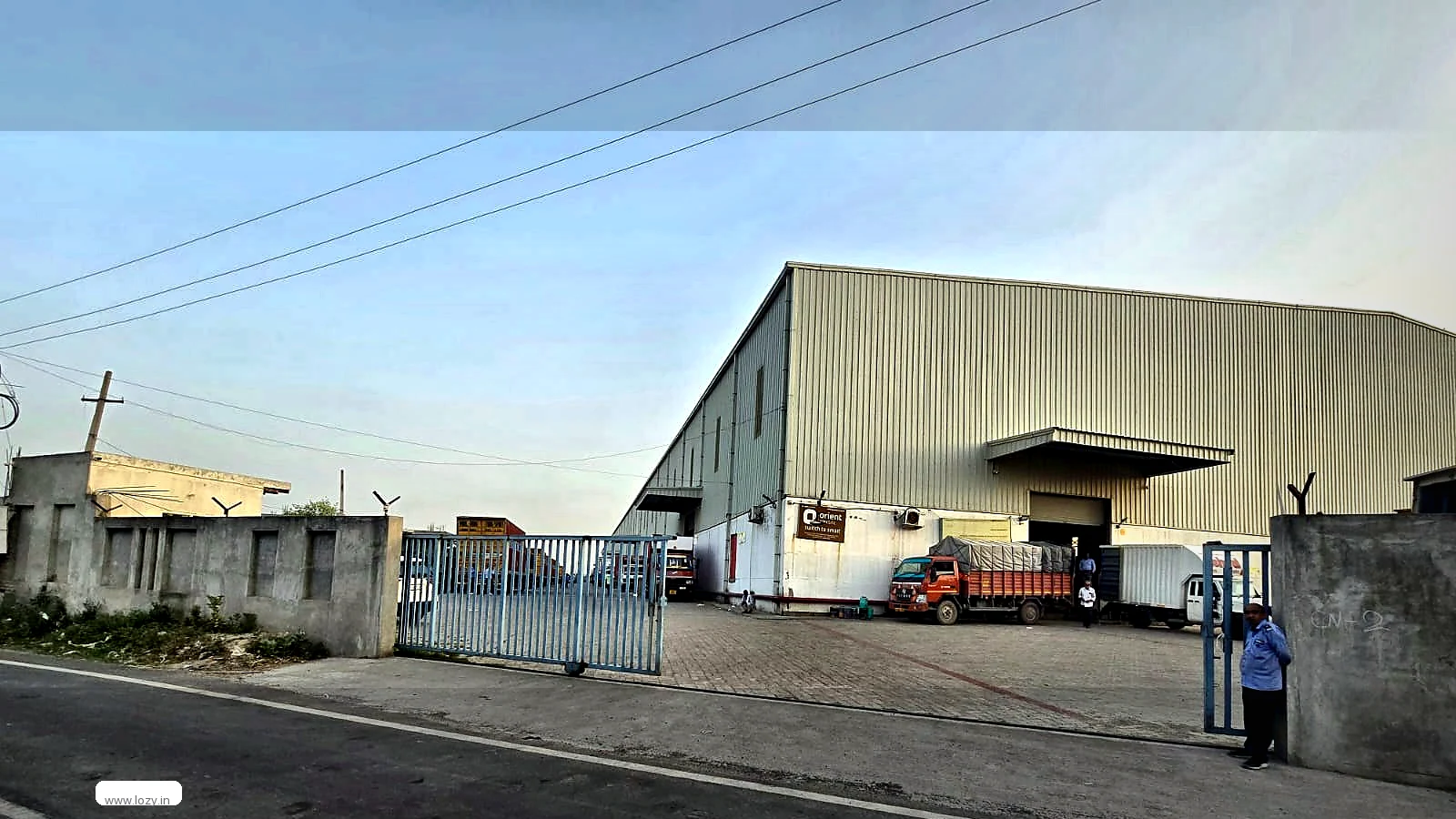
Electronic storage requirements come down to four things a building must prove: a caged or continuously monitored zone that only named people can enter, an identifier record that follows every unit by IMEI or serial number from gate-in to gate-out, staging that keeps marketplace, dealer and direct-to-consumer stock apart, and fire, humidity and battery handling that suits goods which are small, dense in value and partly flammable. Everything else on a rate card — racking, dock count, distance — is arranged around those four. This is the specification to carry on a site visit, with Delhi NCR space from ₹21 per sq ft per month as the basis.
- The identifier is written at the gate, not at the end of the week. IMEI or serial captured against the carton before put-away, and reconciled at every dispatch. A record rebuilt on Friday is a reconstruction, and it does not survive a shortage claim.
- One cage, one list, one log. A lockable bay inside a camera-covered zone, three named keyholders and an entry sheet with yesterday's visits on it. Ask for yesterday, not for the policy.
- Humidity read where the stock sits. A carton or component specification that assumes a dry store is void the moment nobody reads a hygrometer, and the reading at the ridge is not the reading at the shelf.
- Battery class declared per SKU. Cells and power banks carry watt-hour ratings that the carrier's dangerous-goods rules act on, and a swollen unit has to leave saleable stock the day it is found.
Most electronics enquiries arrive as a rate, a photograph and a distance. A requirement sheet reverses that: testable minimums, scored against two or three buildings before anybody quotes. The commercial and site-selection argument sits in the consumer electronics warehousing guide and the service itself on the consumer electronics warehousing page. What follows is what the building and records must provide, and how to prove each on the walk.
What electronic storage has to provide, and why the pallet count is the wrong unit
A pallet is a poor way to think about this stock. One shelf holds more retail value in phones or laptops than a full pallet position of almost any other trade good, and the whole shelf can be carried out under one arm, so floor load rarely decides whether a site works. What decides it is whether a person can reach the stock without being named on a list, whether the building can say which unit sits in which slot, and whether the carton is still fit to be sold when it comes out.
Reachability is the first requirement and the cheapest to test. A bay with a lockable door, a camera on that door and a sheet recording who came in turns a shortage into an event with a time and a name attached. An open rack in a shared aisle turns the same shortage into an argument about carton counts that nobody wins.
Identity is the second. A master carton of handsets carries a model code and usually a printed serial range, and every unit inside has its own IMEI; a laptop has a serial on the base plate and on the box. That difference makes an electronics store a records business wearing a warehouse’s clothes. The record is nearly free at the gate, expensive at the end of the week, impossible a quarter later — and a brand that cannot say which unit went to which buyer loses the argument about a returned phone.
Condition is the third, with three enemies that need three answers. Heat arrives through the roof: a bare metal sheet in late May radiates onto the top rack level, and a retail box left there a fortnight comes down with slack wrap and a curling sticker. Humidity arrives sideways in the monsoon; corrugated flute softens long before the handset does, so a damp carton shows a wavy bottom edge while the product is still perfect — and here the box is part of the product. Static is invisible: dry air, a concrete floor and a plastic-topped bench are where an opened unit takes a discharge nobody feels.
Two things belong on the sheet and rarely appear on one. Packaging is saleable property: a scuffed box or a torn sticker turns a new unit into an open-box unit and takes a slice off its price. And the neighbour matters — plastics, solvents and loose foodgrain next door bring smell, dust, rodents and fire load. Where stock is held beside other businesses, the shared and multi-client warehouse guide sets out the separations to insist on.
The acceptance specification: twelve rows to test on the visit
Score each row pass or fail on the visit, not from memory in the car afterwards. The test column is an instruction to yourself, not the operator: each test yields a document or a walk in minutes rather than an assurance. Three failures inside the first seven rows is a walk-away rather than a discount, because a landlord cannot retrofit a cage, a camera or a logbook habit after signature. These are drafting benchmarks, not a regulatory opinion.
| Requirement | Minimum | How to test it on the visit | Why it matters for this trade |
|---|---|---|---|
| A caged bay for the top-value lines | A lockable mesh cage or walled bay inside a camera-covered zone, with three named keyholders and a key register | Ask who holds the keys and have one open it. Then look up: a false ceiling panel or a gap over the mesh defeats the cage that was photographed. | One carton of handsets is worth more than a truckload of most commodities, and a cage is the only control that survives a shift change. |
| One manned entry, an access list, a signed visitor log | One gate in use, a written list of who may enter your bay, and a visitor sheet with name, firm, purpose, times in and out, escort | Ask for yesterday's sheet and read the times. Then ask who may enter your bay without you present. | A second unmanaged opening turns every other control in this table into decoration, because stock leaves by the path of least resistance. |
| Identifier capture at gate-in | IMEI or serial read against the packing list, and the carton seal number recorded, before anything is put away | Hand over one carton at random and ask for its line: model, identifier range, seal, date, receiver. Then ask for a second carton of the same model. | A dispatch, a warranty claim, a return and a shortage claim all lean on this record. It cannot be rebuilt after the fact. |
| Identifier match on dispatch | Every outbound line carries the identifiers of the units that left and reconciles to the invoice and the e-way bill | Ask for the last dispatch file and count identifier lines against invoice lines. Ask how a unit that scanned twice was resolved. | A note that says forty units against a bin holding thirty-nine is how a loss becomes unattributable, and unattributable losses are uninsured. |
| A position per SKU, not per pallet | Mixed cartons split into shelf-level slots, an address for every SKU, small slots at pick height | Name a slow-moving model and walk to it without help. Then ask where a charger, cable and case bundle is assembled. | Electronics picks are single units from wide catalogues. A pallet-level address makes every accessory pick a search. |
| Channel-separated staging | Separate labelled pick faces and outbound lanes for marketplace, dealer and D2C stock, plus a hold lane | Ask where a marketplace order is picked and where a dealer indent is picked. If both answers name the same shelf, that is the finding. | Shared lanes make marketplace units and dealer-promised units one number on paper, and the error appears as an oversold listing or an empty counter. |
| Embargo control on launch stock | A dated hold position for stock that may not be sold before a stated day, released only on a written instruction | Ask how a model under a sell-date restriction is physically kept out of the pick face, and who may authorise early release. | A picker taking the nearest carton of the right model two days early is not theft; it is a launch breach found by the brand's channel team. |
| Numbered seals and tamper discipline | Seals issued and logged per outbound consignment; inbound cartons with a broken seal, re-taped flap or short weight held for joint count | Ask for the seal register and match one number to a dispatch document, then ask what happens to a carton that arrives re-taped. | A numbered seal turns a loss into a documented event at a known point in the chain. It costs almost nothing and is the most skipped control here. |
| Dry stowage with every carton off the slab | All stock on racking or dunnage, plinth above the apron, roof and gutters sound, no tide marks at the wall base | Walk the wall base and corners behind racking with a torch, looking for cartons with a wavy bottom edge and paint bloom. | A water-marked retail box is a discount or a return even when the unit inside is untouched, because the box is what the buyer sees. |
| Logged temperature and humidity at named positions | Loggers under the roof, at top rack level, near the shutter and at the dispatch face; a named reviewer; a written excursion procedure | Ask for the export covering last June, not a screenshot. Read the date range, the highest reading and where each device sits. | Heat lifts labels, sags wrap and swells cells; humidity softens cartons and corrodes contacts. Neither shows on a pleasant February morning. |
| ESD-safe handling where boards or open units are touched | A grounded bench, wrist straps, a strap tester and shielding bags wherever spares, boards or opened units are handled | Ask to see the bench and the tester, then ask who checks the strap and where that is written down. | A discharge nobody feels is still a dead unit three weeks later, returned as a defect the brand pays for. |
| Fire NOC for this address, a matching hazard class, and battery segregation | A current NOC naming these premises, sprinkler or detection matched to plastic housings, packaging and cells, and a marked metal container away from combustible packing for swollen cells | Read the address and expiry on the NOC, then ask where a swollen power bank goes today and follow the answer to a container. | An electronics warehouse burns as packaging and plastics, and a damaged lithium cell is the ignition source nobody plans for. |
Test the building before you sign
Send the twelve rows with your model list, channel mix and the SKUs that carry cells. We reply with the facilities that pass them, the cage positions free and the rate for the space.
Send the sheetCall +91 93547 12345The gate-in read and the outbound match are the two rows worth an hour of a short visit, because every later argument — a missing unit, a returned phone, an oversold listing — resolves against them or not at all. Ask the consumer electronics warehousing team to run both tests on any facility you compare.
The caged zone and the identifier record: five controls a high-value store is built from
Physical control and record control are one system. A cage without a log records nothing; a log without a cage prevents nothing. Each of the five below can be inspected in a single walk.
What gets caged, and what deliberately does not
The lines that belong behind a lock are those where a single unit is worth a month of storage: handsets, laptops, tablets, premium audio and wearables in the launch quarter. Accessories — cases, cables, screen film, bulk chargers — sit outside on open racking under camera cover, because their unit value does not justify a locked door and their pick frequency does not tolerate one. A cage holding slow-moving accessories while handsets sit in the aisle is worse than no cage: it advertises a control that is not being applied.
The access log: a habit or a document
The log fails predictably. It is opened with enthusiasm, signed for a fortnight, then completed retroactively by whoever is at the gate when a visitor reminds them. The test is whether yesterday’s entries were written at the time — a column of identical ink at four in the afternoon is the tell. Ask who may enter your bay without you present and expect names. Then ask about the camera on that door: does it record or only watch, and can it produce footage for a given date?
Dual custody: two signatures on the door
Dual custody means no single person can complete a movement of high-value stock alone. In its cheapest form it is two signatures on the cage door — one opening, one closing — with the pick list named in both. The useful version adds a reconciliation at the door: units out against the pick list, units back against the same list, and a signed line for any difference at the end of the shift. That habit is the difference between finding a shortfall the same evening and finding it at quarter end.
Seal numbers: the cheapest control in the trade
A numbered seal costs a few rupees. It is issued against a dispatch, written on the dispatch document and the gate-out register, and checked by the receiving party before signing, so a torn seal at the other end becomes a documented event rather than a phone call three days later. The discipline matters more inbound: a carton with a re-taped flap, a broken seal or a short weight is separated for a joint count, signed by driver and receiver, before anything is put away.
The gate-in read and the outbound match
The identifier read is the single entry everything else leans on. On a handset lot it is per unit; on a laptop lot the carton often carries a range that can be checked against the units inside; on audio and wearables it is frequently per carton. Whatever the granularity agreed, it is captured at the gate, before put-away, by somebody who signs for it, and checked line by line against the packing list. A lot entered later in the week is remembered, not recorded.
Outbound is the mirror image and where most losses surface. Every dispatch line should carry the identifiers of the units that left, so invoice, e-way bill and ledger agree on a quantity traceable to units. Where a marketplace order takes one unit, the identifier is the only thing tying the parcel to the sale. A note saying forty units against a bin holding thirty-nine is the retail value of a phone with nowhere to book it. Where a mismatch appears, the lot is held and the discrepancy written with the time, name and document it contradicts — never adjusted at month end. Where the ledger rather than the rack is the object, the basis is inventory and stock storage; for the walk from the gate inward, the warehouse inspection checklist sequences it.
Channel-wise staging, embargo dates and the returns lane
One model, three customers, three pack formats. Staging decides whether the quantity left in a slot means anything, and whether a launch lands on its date or leaks two days early.
Three lanes, three packs
A marketplace needs a single-unit mailer with the platform label outside and the invoice inside, on a clock set by the platform’s cut-off. A dealer counter takes a master carton with a trade invoice, on a consolidated run. D2C orders need a gift-ready pack in your branding and arrive without warning. Three labelled lanes with their own pick faces keep those apart; one shared pile makes marketplace units and dealer-promised units the same number on paper, and the error shows up as an oversold listing or an empty counter. Separating channels is a layout decision, not a corrective action in December.
The embargo date, and the right to refuse
Launch stock is where the operator has to be able to say no. A new model often lands before its sell date, with a written instruction that it may not move until a stated day. That stock needs a dated hold position of its own, a written release authority, and a person who will not release it on a phone call from somebody’s assistant. The failure is rarely theft: it is a picker taking the nearest carton of the right model two days early because the hold looked like ordinary stock. Ask how a dated hold is physically distinguished from saleable stock, and for the last release instruction that was written rather than spoken.
Returns triage: four buckets and one bench
A return is not stock until somebody decides what it is. Four buckets cover almost all of it: resale as new where the seal is intact and the unit was never activated; resale as open-box at a graded price; return to vendor under an RMA; and scrap or e-waste. Each needs its position and record, and the serial is matched against the original dispatch first. The costliest mistake is a returned handset back on the shelf because it looks new; the second is a return undecided for a month, by which time the marketplace claim window has closed. Where marketplace and D2C orders dominate, this reverse leg decides the month, and it is what e-commerce warehousing covers as one routine rather than an afterthought.
Components, humidity and lithium cells: the risks that survive a good cage
Three risks decide whether a component or battery lot is still saleable at quarter end, and only one is about temperature. A good cage answers none of them.
Humidity first, then heat
Corrugated board absorbs moisture and loses compression strength as it does, so a stack stable in March can lean in August with nothing having been dropped. Printed cartons cockle, labels lift at the edge, shrink wrap goes slack — cosmetic until the buyer refuses the carton, at which point they are a discount. Inside the box, contacts corrode and plating tarnishes. Heat works from the other direction, radiating from the roof onto the top level through the afternoon. The requirement is not a temperature promise; it is a logged record from the positions that get hot, read by a named person, with a written answer for a reading that goes out of band.
Static, and the bench nobody inspects
Static damage is the quietest failure in the category because it leaves no mark. Dry air, a concrete floor, a plastic-topped bench and a synthetic jacket are the worst combination available, and it occurs exactly where it matters — the returns bench where opened units are inspected, and the spares corner where boards are handled. The controls are cheap: a grounded mat, a wrist strap whose cord is actually connected, a tester somebody uses, components in shielding bags rather than loose in a tote. Low humidity raises the risk, which is the one place February is worse than the monsoon.
Lithium cells, power banks and what the carrier rules decide
Every lithium cell or battery carries a watt-hour or ampere-hour rating, and that rating — with whether the unit ships alone, packed with equipment or contained in it — decides which packing instruction applies and what documentation must accompany the consignment. Those rules belong to the carrier and the dangerous-goods framework it works under, not to the warehouse, and no operator can manufacture that paperwork for you.
Storage is simpler than shipping and more often ignored. Cells and battery-bearing stock are held away from combustible packaging, in a defined position, with nothing stacked on a carton of power banks. A swollen cell is a fire risk, not a quality issue: it leaves saleable stock the day it is found, goes into a marked metal container away from cardboard and stretch wrap, is entered in an incident log, and is disposed of through the brand or e-waste route. The test on a visit is one question — where does a swollen power bank go today — followed by a walk to the container.
Component stock that is genuinely moisture-sensitive, such as reels held to a floor-life specification for a reflow line, needs a dry cabinet or a desiccant regime with an indicator, which is a specialist fit-out and not what a commercial warehouse is. A dry, monitored, caged ambient position is the right answer for boxed spares, finished goods and RMA inventory. Those are different requirements and should not be bought with the same sentence. Where the stock is spare parts, the spare parts warehousing guide takes the bin-and-identifier problem further.
Licences and documents: what the business holds, and what the premises must show
There is no electronics warehouse licence, and an operator offering to arrange one is describing something you should see in writing before a carton moves. What exists is a set of registrations the trading business carries, permissions the premises carries, and one declaration to your insurer that almost nobody remembers to make.
What the business itself must hold
- GST registration with the storage address added. A warehouse is an additional place of business, not something the registered address covers, and rent is an input only against a tax invoice. The procedure sits on the GST portal.
- Shops and establishment registration for the state, plus a trade or municipal licence where the local body requires one for storage. These are state and city questions, and the answer changes across the Delhi NCR boundary.
- IEC where anything is imported, because a bill of entry names an importer and that address is compared with where the stock sits.
- Product compliance held by the brand or importer, not the warehouse. Listed electrical and electronic goods need registration under the compulsory registration scheme and carry the standard mark, published by the Bureau of Indian Standards; lithium cells have their own standard. A warehouse holds no product approval and cannot lend one.
- Packaged-commodity declarations left intact. Retail packs carry a maximum retail price, the importer and consumer-care details under legal metrology rules. Storage must not obliterate, over-stick or re-label them; re-labelling is a regulated act.
- The producer’s e-waste obligation. Extended producer responsibility for electronic waste sits with the producer, not the storage provider. A warehouse holding returned and dead units helps you meet it; it does not carry it.
What the premises must be able to show
Ask for the document file before the visit, so the visit is spent on the building rather than a folder. It should contain proof of lawful occupancy naming the entity that will invoice you, a current fire NOC for that address and use, land-use confirmation that storage is permitted, structural confirmation of the floor, the racking design with its last inspection, and confirmation that the invoicing entity can raise a GST tax invoice here. Read three fields on each — entity, address, expiry — and expect one to be wrong. The commonest substitution is a fire NOC issued for the landlord’s other unit in the same estate.
The insurance declaration nobody makes
The facility’s policy covers the building and the operator’s own liability. It does not cover your stock, and no amount of asking will make it. High-value electronics needs a policy in your own name naming the storage address, declaring the value held there, with a theft sub-limit that reflects what a carton is worth rather than what a generic stock-in-trade clause assumes. Two points also belong in that conversation: the basis of valuation for a loss, and how a concealed shortage at a count is treated against a fire loss. A shortage that can be dated is a claim; one that cannot is a write-off.
If your finance or compliance team has a supplier questionnaire, send it ahead of the visit rather than afterwards. Begin the document check here and we will tell you which items a Lozy facility provides, which sit with you as the trading entity, and which are not ours to give.
Record-keeping: what is written down, how often, and for how long
Nine records carry an electronics store, each with a format, an owner and an agreed frequency. The list is short because a long one gets abandoned; every row below is one that a shortage claim or a channel dispute will eventually interrogate.
| Record | What it must contain | Frequency | Who signs it off |
|---|---|---|---|
| Inbound identifier register | Date, vehicle, supplier, invoice, packing list, model code, IMEI or serial (or carton range), declared against counted, outer condition, photographs of damage | Every receipt, closed the same day | Receiving supervisor |
| Seal register | Seal number issued, consignment, dispatch document, time out, and the number recorded by the receiver | Every dispatch | Dispatch supervisor |
| Slot and location register | SKU, identifier range, cage or open racking, rack, level, slot, date of put-away | At put-away, audited weekly | Store controller |
| Dispatch file | Channel, order reference, unit identifiers, invoice, e-way bill reference, gate-out time, seal number | Every dispatch | Dispatch supervisor |
| Cage access and key register | Named keyholders, every opening and closing with time and signature, any visit by a non-keyholder with escort | Every entry | Security supervisor |
| Hold and embargo register | What is held, why, the release date or authority, who instructed it, the date of release | Every movement in or out | Designated custodian |
| Returns and RTV register | Source, serial, condition on arrival, seal intact, decision, credit note or RMA reference, date | Every occurrence, decided inside the window | Returns bench and client jointly |
| Damage and battery incident log | What was damaged, when, the identifier, where a swollen cell was placed, disposal reference | Every occurrence | Facility manager |
| Environment and cycle-count file | Device identity, position, readings, daily check; count sheets with identifier variances and their resolution | Daily review; rolling counts | Facility manager |
Retention separates a well-run store from a lucky one. Keep identifier and dispatch records for the warranty period of the stock you handle plus a year, because a consumer claim can arrive long after the sale and the only defence is which unit went where. Keep damage, battery and return records for the same period, since those are what a brand audits when a channel disputes a credit. And keep them in a form you can export: a PDF of a screen is not a record, it is a photograph of one.
Three numbers are worth reporting monthly, and each beats a stock value. Identifier accuracy against the physical count, so the register and the rack agree. The share of dispatches inside the channel’s cut-off, because a late parcel here is a rating rather than a delay. And returns still undecided at month end, the best indicator of whether the reverse leg is being run or absorbed. That is the reporting the consumer electronics warehousing service works to when a client asks.
What moves the monthly figure in this trade
Six inputs move an electronics storage bill, and the rate per square foot is only one. Because the cartons are small and light for their value, the useful unit is the caged or racked position rather than the slab.
- How much of the stock is caged. Mesh, a lockable door, camera cover, key control and dual custody all sit inside that difference. A brand that cages a third of its catalogue pays for a third, and should say which third.
- Identifier granularity. Per-unit capture on a handset lot is real labour at both ends; per-carton range capture is a fraction of it. The choice should follow unit value, on its own line rather than inside a handling rate.
- Lanes and hold positions. Three channel lanes and a dated embargo bay consume space that earns nothing while it waits. That is the correct trade, but it is space, and it appears in the figure.
- The reverse leg. A returns bench, an inspection step and a decision inside a window all cost money. Ask how returns are charged before the first one arrives.
- Term and the launch calendar. A monthly basis lets space grow for a first allocation and step down after the wave. An annual commitment taken for peak is paid for in February.
Published bases, all starting rates rather than quotes: racked and controlled-access space from ₹21 per sq ft per month in Delhi NCR on the warehouse for rent page and on the same basis under business warehousing; a ledger-led position from ₹4,499 per month under inventory and stock storage; channel-led fulfilment from ₹4,999 per month on the e-commerce warehousing service; short-term space from ₹699 per month under on-demand warehousing; a long hold from ₹1,199 per month under long-term warehousing; a seasonal booking at ₹1,299 per month. Archived paperwork is ₹49 per box per month, a floorplate without racking is priced under commercial warehousing, a large lot in cartons under industrial bulk warehousing, and a small self-managed room from ₹999 per month.
All of it is billed monthly on a GST invoice with no long lock-in, and the bases are gathered on the pricing page. Turning a square-foot rate into a cost per position at a given rack height is worked through in the cost per pallet guide. Where the question is whether to run this in-house, take a shared position or hand the operation to a partner, the 3PL warehousing in Delhi NCR guide sets the three routes side by side, and the channel economics behind the line items are in the consumer electronics warehousing guide.
Want the figure modelled on your own catalogue?
Give us the model list, how many SKUs need a cage, your channel split and the months you peak. We come back with the positions required and a monthly number, not a rate per square foot alone.
Model my requirementCall +91 93547 12345The five ways electronic storage fails, and the row that catches each
Failures here are quiet. Nothing falls over, nobody is caught, and the loss appears as a short count, a refused carton or a unit that comes back twice. Each of the five maps to a row in the table above.
One: the carton that lived in an open bay
A first allocation lands on a Friday, the cage is full, and forty cartons go into the aisle under camera cover because the camera is “just as good”. Six weeks later the bin holds thirty-eight and nobody can say when the other two left, because the aisle had no door, no log and no dual custody. There is no theft to prove and no date to claim against, so the loss is absorbed. The row that catches it: a caged bay for the top-value lines.
Two: the identifier written on Thursday
Three lots land in a week and the identifier entry waits for Thursday, by which time two cartons have been picked and one returned to the vendor. The register is then completed from the picking sheets, so it records what was believed rather than what arrived. Nine months later a warranty claim turns on whether a unit was in that consignment, and the answer is a reconstruction. The row that catches it: identifier capture at gate-in.
Three: the launch carton taken two days early
Launch stock sits in the same bay as the outgoing model because there was nowhere else on the day it landed. A picker under pressure takes the nearest carton of the right colour and the new model ships before its sell date. Nobody steals anything; a channel agreement is breached, and the penalty lands on the brand’s account rather than the warehouse’s. The row that catches it: embargo control on dated hold stock.
Four: the return that looked new
A customer sends back a handset in a resealed box. It looks untouched, so it goes on the shelf, and the next buyer opens it to find somebody else’s account already signed in. The return now costs twice — the refund and the listing — and both are avoidable with a bench, a serial match and four buckets. The row that catches it: channel-separated staging with a hold lane.
Five: the swollen cell in the saleable bin
A power bank comes back slightly fat and goes on the shelf because it still works. In June the shed reaches the temperature at which a swollen cell becomes a fire, and the loss is not one unit but the carton, the rack and the insurance argument about what was stored where. The mirror failure is the same building in the monsoon, cartons on a damp slab, and a buyer refusing a delivery because the boxes are wavy. The row that catches it: battery segregation, tested by asking where a swollen cell goes today.
Each cost less to prevent than to repair, and each is caught by a row on a sheet of paper carried on a visit.
From requirement to first dispatch: nine steps, and the clauses that bind them
Nine steps take a requirement sheet to a working store. Sequence matters more than pace, and the two steps usually skipped — the observed intake and the week of live orders before a launch — are the ones that prevent the expensive surprises.
- Write the sheet. Model list, unit values, channel split, monthly volume, launch dates, which SKUs carry cells, which lines must be caged. A requirement written from a rate card produces a rate card.
- Sort the catalogue by risk. Cage list, open racking, spares corner, battery-bearing stock, and anything that must not be held with the rest. This decides the layout and therefore the cost, so do it before asking a price.
- Request the document file. Occupancy proof, a fire NOC naming this address, land use, floor and racking confirmation, the power agreement, and the GST status of the invoicing entity.
- Walk it with a test kit. A torch for the wall base, a min-max logger to leave a day at top rack level, one master carton and one mailer from your range, and the twelve rows in print.
- Agree the layout on a drawing. Cage position, three channel lanes, the dated hold bay, the returns bench, the packing bench and the dock face. A layout agreed in conversation gets rearranged by whoever is on shift.
- Agree the identifier fields, then run an observed intake. One vehicle, several models, one carton deliberately short and one with a broken seal. Watch where the short carton goes and who signs.
- Fix the controls. Named keyholders, the access list, seal issue and logging, dual custody at the cage door, out-of-hours escalation, and the person who may release a dated hold.
- Run a week of live orders before a launch, never during one. A marketplace cut-off, a dealer consolidation and a return in the same week will expose the lane design while volume is still small.
- Measure the first month. Identifier accuracy against the count, dispatches inside the cut-off, returns decided inside the window — then decide, while the booking is still monthly.
Where the first consignment is a launch allocation that lands over a weekend, put the sheet and layout on WhatsApp before the vehicle is booked and we will come back on what that intake needs from the building.
The clauses that matter for electronic stock
- The cage, named. Which bay, which lock, who holds keys, how many keyholders, and what dual custody means at that door.
- Identifier fields and format. What is captured at gate-in and outbound, per unit or per range, in whose system, and the export you receive on exit — a usable file, not a PDF of a screen.
- Channel segregation and release authority. Three lanes, a dated hold bay, and the named person whose written instruction releases embargoed stock.
- Seals and tamper evidence. Who issues seals, where the number is recorded, and what happens when a seal is broken or a carton arrives re-taped.
- Returns: decision, timeline, charges. Who decides, inside what window, at what per-unit charge, and who pays for disposal of a dead unit.
- Damaged and battery-bearing goods. The segregation container, the incident log, the disposal route and the cost. Put the exclusion in: it protects both sides the first time a swollen cell appears.
- Insurance and liability. Whose policy covers the stock, the basis of valuation, the excess, and how a concealed shortage at a count is treated.
- Handling charges, itemised. Per carton in, per unit identified, per pick, per return inspected, per relabelling task. "Inclusive" is not a number.
- Term, notice and exit. The notice period, days allowed to release stock after notice, who provides loading equipment, and the final count.
- GST and invoicing. The entity that invoices, its GSTIN and the place of supply. A rent receipt in place of a tax invoice costs the input credit.
Hold the signed agreement beside the requirement sheet and check one against the other before either is filed, because anything agreed only by email leaves with the person who agreed it. Where the contracting side needs more than a storage agreement carries, the contract logistics guide covers the commercial structure, and for consignments whose paperwork is as valuable as the stock, the importers and exporters guide is the nearer read.
Where Lozy fits, and where we do not
Lozy runs 77+ warehouses and 1M+ sq ft of live space from a Delhi NCR base, with caged and monitored positions, identifier records kept the way each client specifies, channel-wise lanes, and monthly billing on a GST invoice with no long lock-in. Space starts at ₹21 per sq ft per month. What is free sits on the warehouse listing, the belts are on the locations page — the Faridabad estate belt for the south and central Delhi hardware markets, the Noida side for the eastern half of the region, Gurugram for NH-48 inbound — and the service set is on the services page.
Some of what this post describes is not ours, and it is worth saying plainly. There is no bonded storage in this network, no cold room, no calibrated test laboratory, and no ESD cleanroom or dry-cabinet fit-out for moisture-sensitive reels. A damaged cell is segregated and handed to a disposal route; a hazmat store for bulk quantities is a specialist facility. Nor can any commercial warehouse give you product certification, channel authorisation or an insurance policy for your stock — those sit with you as the trading entity.
Where the requirement is caged positions for small high-value goods, an identifier record at both ends, three channel lanes, a dated hold for launch stock and records that reconcile, it is ordinary work here. Photographs of a working facility are on the consumer electronics warehousing page, general questions on the FAQ page, and contact us reaches a person rather than a form queue.

If that describes your requirement, email the sheet to care@lozy.in with the model list, channel split and the SKUs that carry cells, and we will reply with the facilities that pass the twelve rows, usually within the working day.
Related guides
- consumer electronics warehousing: serial records, channels and cost
- the warehouse inspection checklist
- warehousing in New Delhi
- inventory and stock storage
Take the sheet to a site, not a brochure
Tell us the model list, how many SKUs need a cage and the belt you want to be on. We will name the facilities that pass the twelve rows and hold them for your visit.
Book a walk-throughCall +91 93547 12345Sources. Prices and network numbers are Lozy’s published information, checked 25 October 2026. GST registration and input credit follow the GST portal; compulsory registration and standard marking for listed electrical and electronic goods, and the standards for secondary lithium cells, follow the Bureau of Indian Standards; carriage of lithium cells and batteries by air follows the dangerous-goods requirements administered by the Directorate General of Civil Aviation; sector context from IBEF’s consumer electronics and durables profile; corridor context from the National Highways Authority of India. The acceptance minimums are drafting conventions for a requirement sheet, and no substitute for a legal, structural or fire-safety opinion.
Last updated: 25 October 2026. A question these notes do not answer? Call +91 93547 12345 or email care@lozy.in.
Need warehousing or storage in India?
Request a free, tailored quote in under 2 minutes — free pickup, no lock-in.